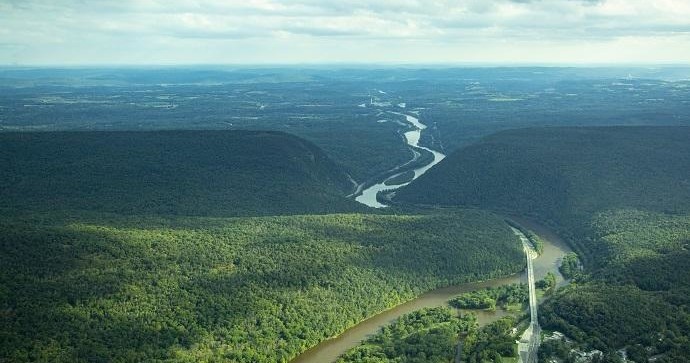
Why Andover Is a Standout Air Activities Destination
Andover’s appeal for air activities is quietly obvious when you first look up. The town sits at a crossroads of open farmland, long ridgelines and modest air infrastructure—terrain that reads well from the sky and makes for forgiving launch and landing options. Unlike crowded tourist hubs where flight corridors channel dozens of craft through the same slice of sky, Andover’s low density of air traffic creates pockets of near-empty airspace perfect for introductory flights and skill-building sorties. Morning thermal patterns here are generally gentle: valley inversions that break mid-to-late morning give way to predictable thermals along the Kittatinny foothills, creating windows that are ideal for glider pilots, paragliders, and student pilots practicing cross-country techniques.
But it’s not just the physical geography that shapes Andover’s character as a place to fly. The region’s layered land use—mixed hardwood forests, reservoirs and cleared agricultural plots—offers a visual narrative that elevates a short scenic flight into a story of land and settlement. From the air you can trace century-old stone walls, spot the patchwork of protected tracts that feed into larger networks like Stokes State Forest, and read the topography the way a cartographer would. That makes Andover a compelling training ground for aviators learning to interpret the landscape from above, and an intimate sightseeing venue for travelers who prefer a small-scale, personal aerial experience over large commercial tours.
Practically, Andover benefits from nearby small-airfield infrastructure that supports private pilots and local flight instruction, which in turn fosters a community of experienced operators who can offer tandem and introductory experiences. These operators often collaborate with land managers, search-and-rescue teams and local outdoor outfitters, producing a safety-first culture that blends aviation standards with the outdoor recreation ethos of the Skylands region. In short, Andover delivers air activities that are simultaneously accessible and thoughtful: accessible because the operations are scaled to beginners and regional travelers, and thoughtful because the setting rewards a slower, observational approach to flight—where the goal is as much to read the land as it is to pass overhead.
Complementing the airborne focus, Andover’s on-the-ground activities—hiking small ridgelines, paddling quiet reservoirs, and exploring nearby nature centers—pair naturally with air outings, turning a single-day trip into a layered experience. Weather planning is straightforward but decisive here: the best windows are narrow, and success often comes to those who can read morning conditions, plan for afternoon thermals, and accept that the region’s variable spring weather may call for flexibility. For travelers seeking intimate aerial perspectives without the bustle of larger airports, Andover is a quietly refined option—a place where the sky feels open, the terrain tells a story, and each flight is an invitation to learn as much as to see.
Andover’s mix of low-altitude thermals and sheltered valleys makes it especially good for paragliding training and short scenic flights.
Small local airstrips and nearby private operators mean fewer passengers per flight and a higher emphasis on personalized, safety-focused experiences.
The harbor is the gateway, and the Pacific becomes the classroom.
The surrounding protected lands and water bodies create compelling aerial photography opportunities and straightforward emergency landing options.
Choose by purpose
Whale watching, snorkeling, sunset sailing, cultural canoeing, harbor sightseeing, or private chartering.
Start near the city
Waikiki and Honolulu Harbor are primary hubs, with some trips launching near Hanauma Bay.
Confirm the vessel
Gangways, shaded seating, and boarding requirements vary according to vessel size and operator.