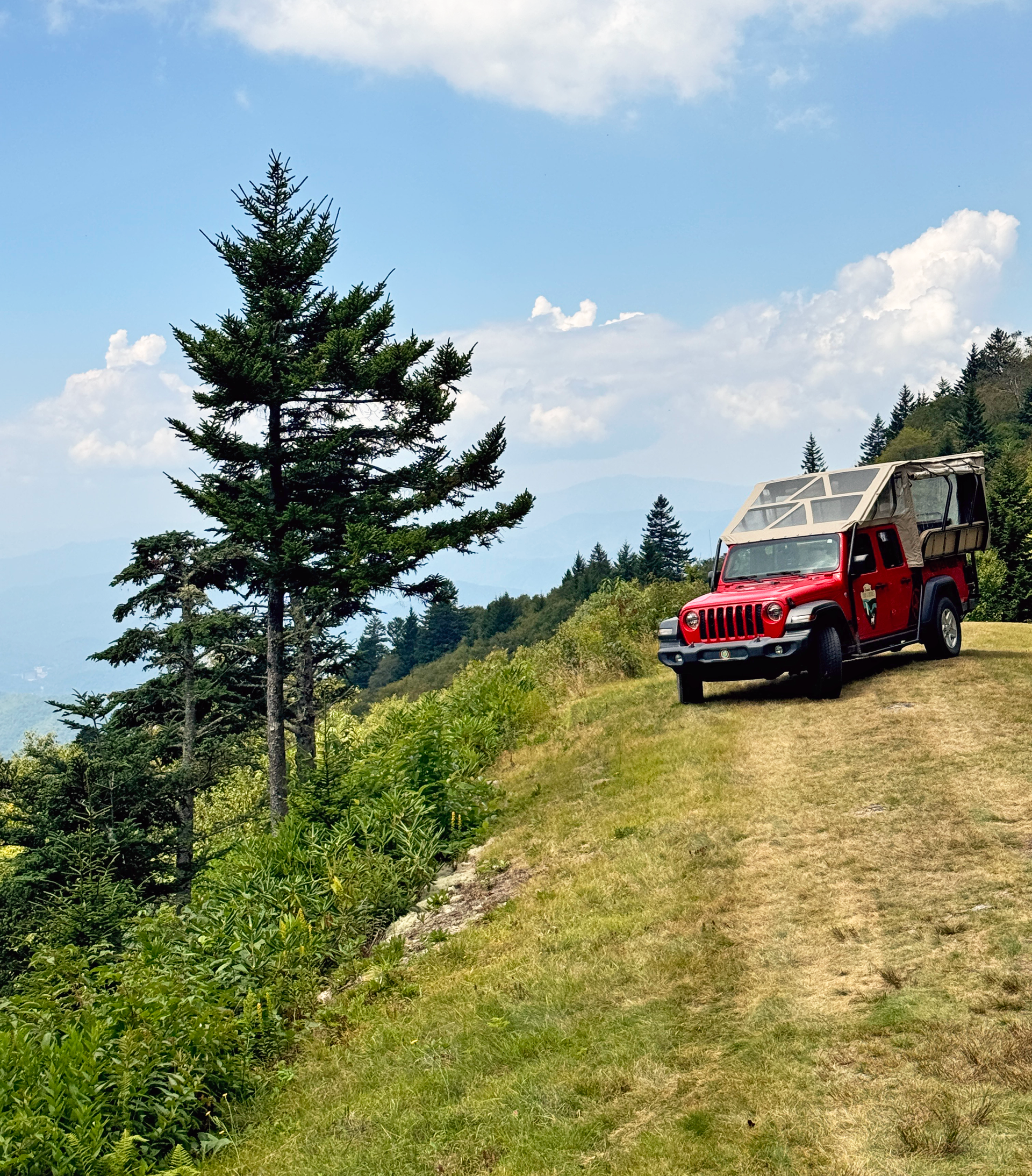
Argura sits like a quiet exhibit between cultivated fields and ribboned waterways: modest in scale but rich in layered stories. The town's sightseeing tours excel because they combine human-scale history with accessible natural vantage points—places where you can step off a short boardwalk to watch marsh birds wheel, listen to a guide recount a century of shipbuilding from the shade of an old warehouse, or follow a guided bike route that links public art, river views, and coffee shops. The sensory range is wide; some tours move deliberately—walking tours through the historic district, stopping at storefronts and gardens—while others are kinetic: sunset kayak floats, narrated van drives that chase light along the byways, or stand-up paddleboard trips that intersect local oyster beds and quiet estuaries.
What sets sightseeing in Argura apart is the way landscape and community intersect. The terrain is forgiving—flat promenades, low bluff overlooks, and short nature boardwalks—so sightseeing is genuinely inclusive. Guides here are often long-time residents who fold folklore into factual context: maritime economies, agricultural cycles, and the slow reinvention of downtown. Seasonality changes the palette more than it changes access. Spring brings migratory birds and flowering hedgerows; summer highlights river-based tours and evening food walks; autumn deepens the light on driving routes and quiets the estuaries for reflective paddles. Even winter has a spare clarity—crisp air and far-reaching views on clear days—that makes off-season tours a different, quieter way to experience the same places.
For travelers, the practical benefits are obvious. Sightseeing tours in Argura are short by design—usually two to four hours—so visitors can combine a historical walking tour with an afternoon bike ride or a half-day kayaking loop. The town's compact footprint and concentrated points of interest mean less transit time and more time actually looking, listening, and tasting. Guides and operators are experienced at tailoring routes for mobility needs, family groups, and photographers chasing light. Environmentally, many tours emphasize low-impact practices: working with local conservation groups, using electric vehicles for curb-to-curb transfers, or planning paddles that respect nesting seasons. That sensitivity makes sightseeing here feel like both a leisure activity and a civic exchange: you leave having seen the place, and knowing a little better why it matters.
Variety without endurance: most sightseeing tours prioritize short walks, flat boardwalks, and vehicle-supported routes so they suit a broad range of abilities.
Local knowledge matters: many tours are led by historians, naturalists, or artists who connect visible landmarks to social, ecological, and economic stories.
Choose by purpose
Whale watching, snorkeling, sunset sailing, cultural canoeing, harbor sightseeing, or private chartering.
Start near the city
Waikiki and Honolulu Harbor are primary hubs, with some trips launching near Hanauma Bay.
Confirm the vessel
Gangways, shaded seating, and boarding requirements vary according to vessel size and operator.