Top Eco Tours in Bayport, Florida
Bayport Eco Tour Guide

Top Eco Tours in Bayport, Florida

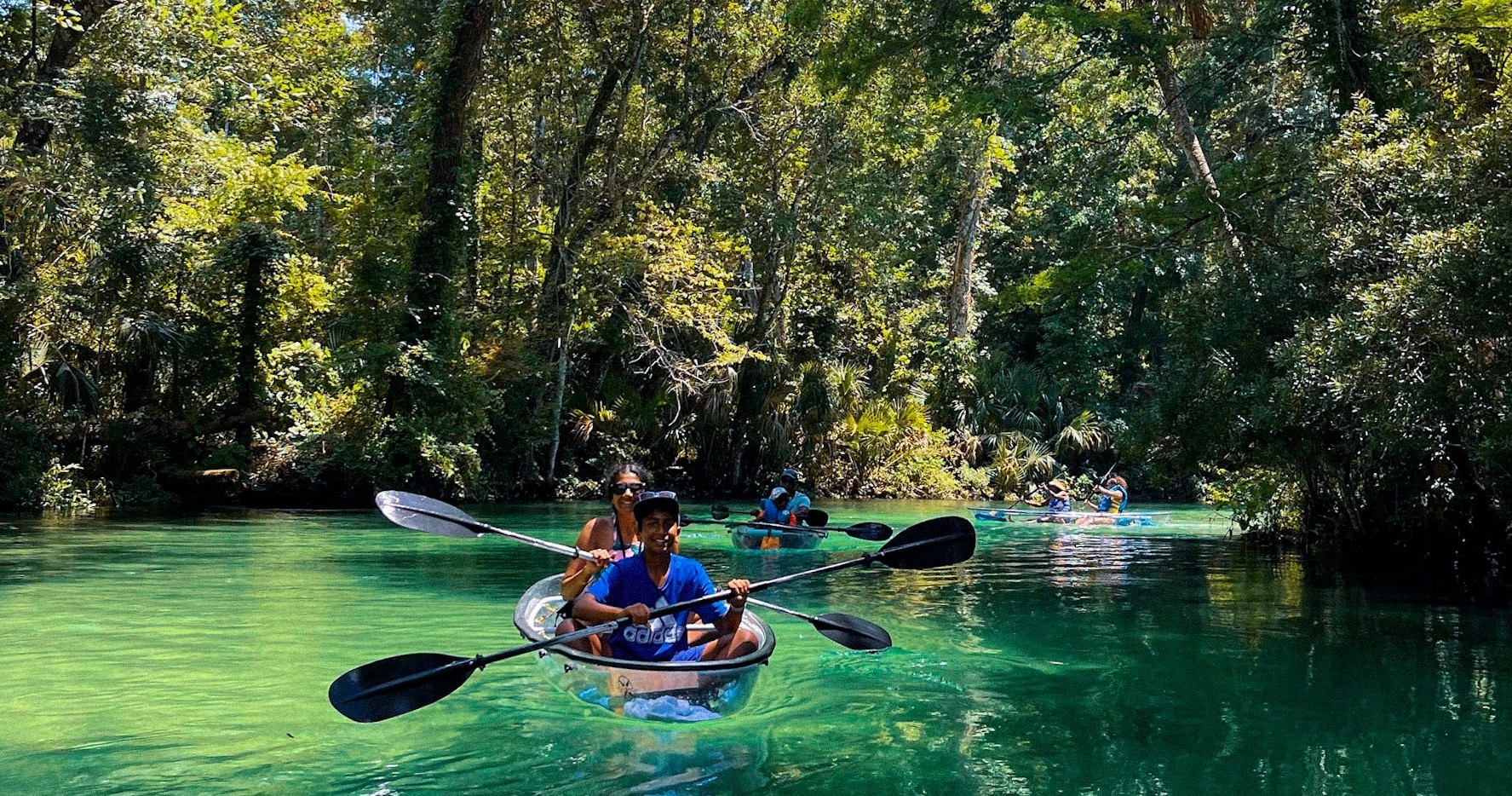
Bayport’s eco-tour scene is an intimate study of water, light, and life—where mangrove roots weave nursery habitat for juvenile fish, seagrass beds cradle migrating shorebirds, and kayak-slow paddles reveal dolphins and manatees in the shallows. This guide collects the best guided experiences that translate local ecology into memorable outings: kayak and small-boat estuary tours, shore-based birding walks, oyster reef restoration trips, and nighttime bioluminescence excursions when conditions allow.

Gulf Coast EstuaryMangrove ForestsSalt Marshes

Live destination inventory

Top Eco Tour Trips in Bayport

29 trips · Book with confidence · Instant confirmation

The prototype intentionally does not invent replacement trip cards or add images that are not already part of the live source page.

The city from the water

Why Bayport Is a Standout Eco-Tour Destination

Bayport feels like a place where the map pauses and the water writes the story. Tucked into a sheltered Gulf estuary, the town’s identity is built on edges—where salt meets fresh, where submerged grass beds trade breath with open water, and where the slow architecture of mangroves traps silt and life. Eco tours here are less about ticking off rare species and more about learning the language of a living coastline: tide rhythms, the glassy flash of mullet under surface, the hush of a wintering flock. Guides in Bayport know how to slow the trip down until the ordinary becomes remarkable. A shallow-draft skiff pushing through a mangrove tunnel reveals fiddler crabs and epiphytic algae; a tandem kayak outside the shoal shows how a pod of dolphins corrals baitfish; a guided night paddle turns the bay into a sky of bioluminescent stars when conditions permit. The region’s ecology is shaped by broad seasonal cycles. Winter migratory birds concentrate on the estuary’s exposed mudflats and sandbars, making late fall through early spring the richest months for birding-focused tours. Warm months bring different gifts: seagrass clarity that’s ideal for shallow snorkeling and an abundance of juvenile fish that highlight the role of Bayport’s nurseries. Those same warm months also arrive with practical challenges—afternoon thunderstorms and the long stretch of hurricane season offshore—so planning matters. Beyond wildlife, Bayport’s eco-tour experiences are anchored by community and conservation. Many tours are led by local naturalists, fishermen-turned-guides, and nonprofit educators who weave natural history with human stories: the legacy of small oyster-town economies, tribal and settler relationships with the sea, and contemporary restoration projects that recruit travelers as citizen scientists. That blend—storytelling plus hands-on stewardship—gives tours a dual purpose: a day on the water is both an encounter and an education. For travelers who want to go deeper, multi-hour or multi-day programs pair paddling with beach seining, oyster gardening, or shoreline cleanup efforts. Those who prefer gentler access can choose boardwalk walks, short motorboat cruises, or shore-based birding at tidal creeks. Importantly, the character of Bayport’s eco-tourism is intentionally low-impact. Operators emphasize small groups, leave-no-trace practices, and species-respectful viewing distances; many use electric or well-maintained outboards and provide plastic-free options for snacks and gear. That stewardship focus makes Bayport a model for travelers who want to experience coastal Florida’s complexity without adding to its pressures.

Local guides combine natural history, cultural context, and hands-on learning—expect field ID tips, tide-aware route choices, and conversations about restoration projects.

Tours range from short interpretive paddles to half-day snorkeling and citizen science days; most operators cap groups to protect sensitive habitat.

The harbor is the gateway, and the Pacific becomes the classroom.

Bayport’s shoreline is actively affected by sea-level changes, nuisance flooding, and periodic algal events—eco-tour operators incorporate current conditions into trip planning.

Activity focus

Choose by purpose

Whale watching, snorkeling, sunset sailing, cultural canoeing, harbor sightseeing, or private chartering.

Departure hubs

Start near the city

Waikiki and Honolulu Harbor are primary hubs, with some trips launching near Hanauma Bay.

Accessibility

Confirm the vessel

Gangways, shaded seating, and boarding requirements vary according to vessel size and operator.
Seasonal planning

Best Time to Visit

Bayport is warm year-round, but wind, swell, migration, visibility, and demand change the best match between traveler and trip.

Bayport boat tour
Year-round destination

Seasonal highlights change the reason to go

Winter favors humpback encounters; warmer, calmer months favor snorkeling visibility and smoother water.

Humpback season

Late November through April for migratory birding and cooler, drier weather.

Prime whale watching, winter holidays, higher demand, and earlier sell-outs.

Snorkeling window

November–December–January–February–March–April

Typically gentler seas and clearer water for snorkeling trips.

Weather notes

Trade winds year-round

Bayport’s mild winters and cool springs make late fall through early spring ideal for bird migration and comfortable paddling. Summers are hot and humid, with frequent afternoon thunderstorms and active hurricane season risks. Sea conditions and water clarity fluctuate with tides, runoff, and seasonal algal events—confirm local water quality and tide timing before going out.

Quieter opportunities

Late spring & summer weekdays

Summer offers quieter waterways, abundant juvenile marine life for snorkel trips, and the chance to join restoration or research programs; book morning departures to avoid heat and storms.

Match the trip to your comfort

Choose Your Experience Level

Low effort

Beginner

Short guided boat rides, sheltered tandem-kayak paddles, and boardwalk birding walks oriented to first-time paddlers and families.

  • Estuary interpretive boat cruise
  • Tandem kayak mangrove loop
  • Shoreline birding walk at low tide
Active day trip

Intermediate

Half-day paddles into open shoals, shallow-water snorkeling over seagrass beds, and guided wildlife photography outings that require moderate fitness and comfort on water.

  • Half-day kayak to seagrass flats with snorkeling
  • Guided shorebird survey and photography tour
  • Electric-skiff eco-cruise with estuary navigation
Longer or technical

Advanced

Multi-day coastal ecology experiences, kayak expeditions timed with tides, and hands-on citizen-science or restoration projects that demand planning and stronger paddling skills.

  • Multi-day paddling and camp-based estuary study
  • Oyster reef restoration and scientific monitoring day
  • Tide-scheduled crossing to outer shoals with experienced guides

Prepare for sun, spray, and swell

What to Bring

Essential

Core kit

  • Lightweight waterproof jacket or windbreaker
  • Reusable water bottle and sun-protective clothing
  • Waterproof / quick-dry shoes or sandals with straps
  • Hat and polarized sunglasses
  • Reef-safe sunscreen and insect repellent
Recommended

Useful extras

  • Binoculars for birding
  • Dry bag for phone and camera
  • Small towel and change of clothes
  • Snorkel mask and reef-safe swimwear (if snorkeling trips are listed)
Optional

Trip-specific

  • Waterproof camera or compact lens setup
  • Field notebook for observations
  • Light gloves for restoration activities
  • Gloves and reusable gloves for beach cleanups
Check tide charts, local water-quality advisories, and weather forecasts before booking; small operators adjust routes to conditions.

Insider Tips & Local Knowledge

Reserve whale-watching and popular sunset cruises well ahead during December–April.
Choose morning snorkeling departures for calmer seas and better underwater visibility.
For motion sensitivity, choose a larger vessel, sit mid-ship, and take preventative medication before boarding.
Do not touch coral or wildlife, avoid standing on reefs, and use reef-safe sunscreen.
Community-based operators may add context about traditional navigation and stewardship.
Arrive early for parking and check-in because Waikiki departure areas can be busy.

Planning questions

Frequently Asked Questions

Most beginner-friendly tours provide basic instruction and choose sheltered routes. Operators will pair less experienced paddlers with a guide or tandem partner—mention your experience when booking.
Top Eco Tours in Bayport, Florida
Ready for your eco tour adventure?

Browse 29 verified trips in Bayport.

Compare current availability and book with instant confirmation.

Explore Bayport eco tour