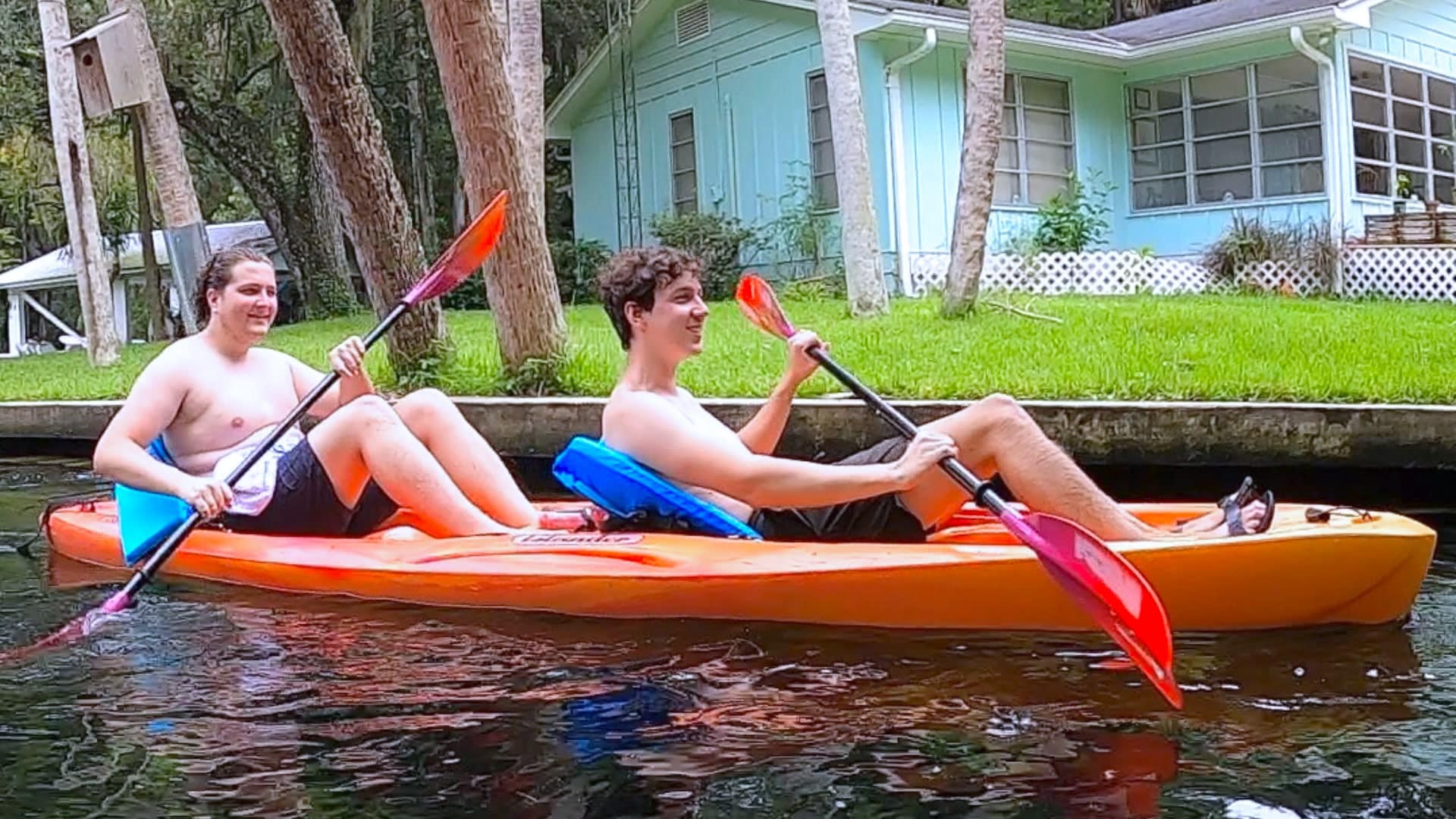
There’s a particular hush to paddling around Belleview that only springs and slow rivers can produce: a quiet so deep it makes you aware of every paddle stroke and every small ripple. This region sits within Florida’s karst landscape—limestone riddled with springs that feed clear runs into darker, tannin-stained rivers and broad, open lakes. Canoeing here feels like moving between two worlds. One is crystalline and bright, where you can see the pale sand and aquatic plants under your bow; the other is the softer, shadowed waterways of cypress and swamp where light filters through a high canopy and birds call in layered harmonies. Those transitions happen fast. A single afternoon can take you from a dazzling spring boil to a lily-strewn backwater alive with dragonflies.
Historically, these waterways were travel corridors for Indigenous peoples and later for early settlers, and remnants of that layered human history sit quietly along the banks: old homesteads, small boat launches, and communities that grew around the springs. Ecologically, Belleview occupies an important intersection. The springs act as perennial sources of clear, cool water that sustain downstream habitats even in dry months; the lakes and rivers form a mosaic of shallow flats, marsh edges and forested banks that support a dense mix of wildlife. For paddlers, that means reliable paddling opportunities with high chances of seeing kingfishers diving, herons stalking mudflats, and turtles basking in the sun. You’ll also want to keep a respectful distance from alligators and nesting birds—the abundance is part of the attraction, and responsible viewing keeps both you and the animals safe.
The paddling itself is accessible to many levels of skill. Most routes in and around Belleview are low-gradient and slow-moving, favoring relaxed exploration over technical whitewater. Yet the region’s variety allows for different experiences: succinct half-day floats ideal for families, single-day runs that thread springs and creeks, or multi-point itineraries that combine paddling with shoreline hikes, photography and snorkeling in select spring vents. Outfitters in the area provide rentals and shuttles for those who want to leave logistics to a local operator, while self-sufficient paddlers will find ample public put-ins and primitive shorelines for overnight trips. Seasonally, the character of the water shifts—spring clarity is best in the cooler months when flows are steady, while late summer can bring higher vegetation and afternoon storms. Planning for weather, water levels and simple wildlife etiquette will make the experience smoother and safer. In short, Belleview’s paddling is quiet, immediate and richly varied—the kind of place where a casual morning paddle becomes a full-sensory study of Florida’s inland waterscape.
The springs-fed systems around Belleview offer unusually clear paddling in places, with underwater visibility that rewards snorkelers and photographers as much as paddlers. Those clear pockets often sit upstream of darker, tannin-stained stretches, creating a striking contrast along a single float route.
Because the terrain is low and flat, tides don’t shape much of the experience here—the primary seasonal drivers are rainfall and groundwater levels. That makes Belleview reliably paddable most of the year, though summer thunderstorms and high plant growth can change dynamics quickly.
Choose by purpose
Whale watching, snorkeling, sunset sailing, cultural canoeing, harbor sightseeing, or private chartering.
Start near the city
Waikiki and Honolulu Harbor are primary hubs, with some trips launching near Hanauma Bay.
Confirm the vessel
Gangways, shaded seating, and boarding requirements vary according to vessel size and operator.