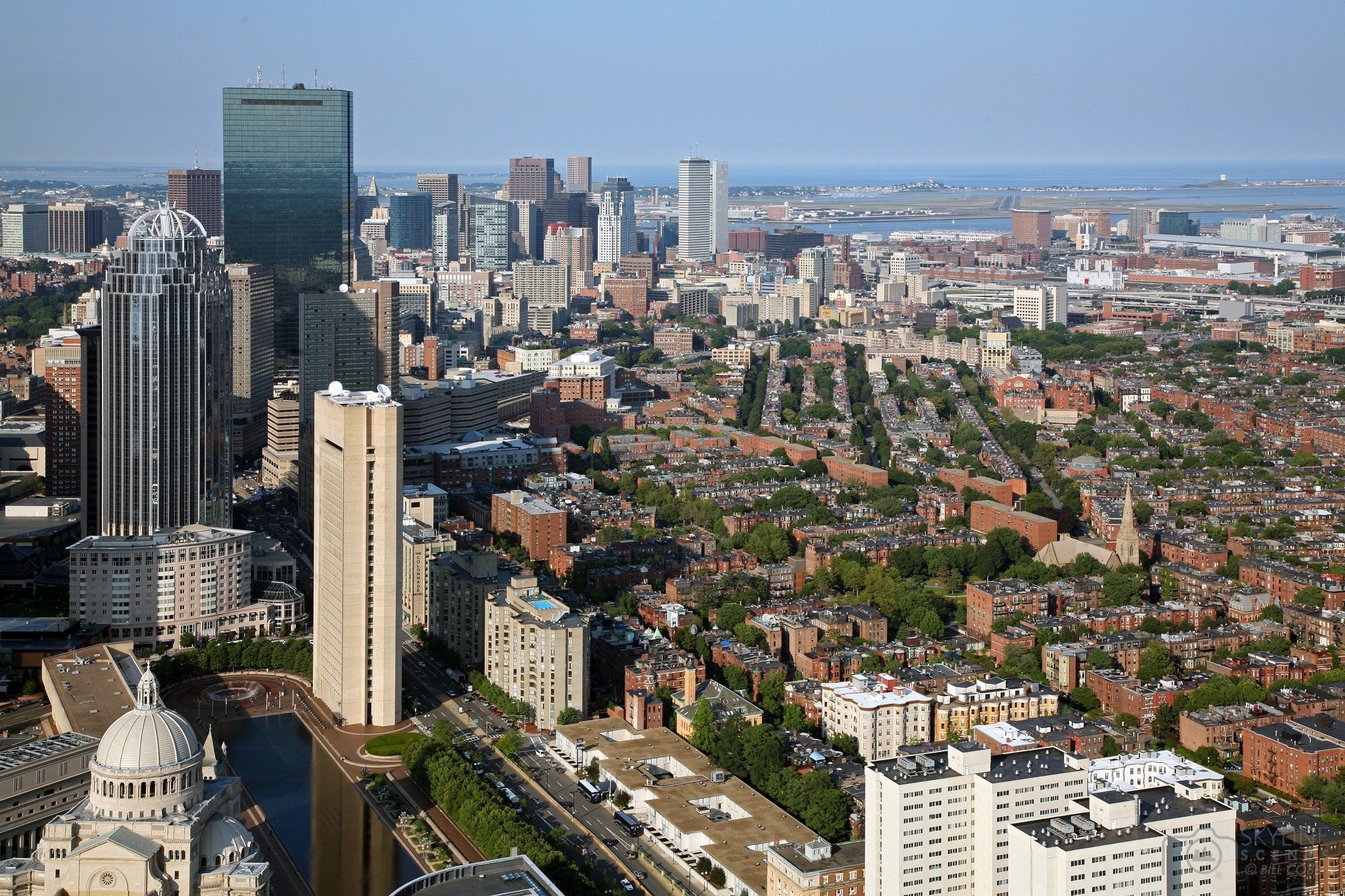
Why Belmont Is a Standout Place for Photography Tours
Belmont sits at a camera-ready intersection of suburban calm and metropolitan proximity. A short ride from Cambridge and Boston, its modest streets and stitched-together green spaces deliver fast access to the kinds of subjects photographers chase: reflective ponds and seasonal wetlands, curved stone walls and laddered porches, church steeples punctuating low-slung New England skies, and, when the light cooperates, pocket views of the distant Boston skyline. For photographers, that mix translates into a versatile tour canvas—micro-landscapes in the marsh, intimate portraits of architecture, and the chance to practice techniques like long exposure, macro, and golden-hour street photography without spending a day in transit.
What makes Belmont particularly useful for guided photography outings is its scale and variety. A morning can begin in Beaver Brook Reservation—woodland trails, slow-flowing streams, and small cascades that respond well to neutral-density filters and patient compositions—then shift to Rock Meadow for open grasses, wetland edge influences, and birdlife that rewards telephoto work. By midday a stroll through Belmont Center or Belmont Hill offers a change of pace: patterned windows, stoops and porches, and civic architecture that teaches framing and detail-focused composition. The compact geography allows guides to pull in very different lighting and subject types over short distances, which is ideal for workshops where participants want to test a range of techniques in one outing.
Seasonality in Belmont is a photographer's tuning knob: spring brings saturated greens and emergent waterfowl; late-summer mornings can be soft with low fog settling in the meadows; and autumn produces reliable color shifts across maples and oaks that make for dramatic foregrounds against colder, high-contrast skies. Winter, while quieter, offers crisp light, architectural silhouettes, and high-value lessons in exposure control and white balance—plus far fewer people on the trails. Importantly, the town's public reservations and meadows are accessible, family-friendly, and often feature short, well-marked paths, making the tours approachable for smartphone photographers and pros alike.
Complementary activities amplify the photography experience: guided birdwatching walks to learn species behavior, early-morning coffee runs and pastry breaks in Belmont Center for candid street shots, and short bicycle rides that expand the tour radius. For travelers coming from Boston or Cambridge, Belmont functions as a hands-on classroom where technical practice meets the kind of slow, observational travel that produces memorable images and a stronger sense of place. Environmental stewardship is also central—photography tours here emphasize 'leave no trace' approaches at wetland edges and quiet behavior around nesting birds so that the landscapes we photograph remain healthy and resilient for seasons to come.
The town's accessibility from the Red Line and nearby commuter routes makes it an ideal half-day or full-day outing. That closeness to urban centers also creates opportunities for layered images—where a pastoral foreground meets a distant skyline—that are particularly striking at sunrise or sunset.
Belmont's mix of public green spaces, residential streets, and small-town civic buildings means workshops can be customized: an ecology-focused morning at Beaver Brook, an architectural-afternoon in Belmont Center, or a dedicated golden-hour session that chases light across meadows and rooftops.
Choose by purpose
Whale watching, snorkeling, sunset sailing, cultural canoeing, harbor sightseeing, or private chartering.
Start near the city
Waikiki and Honolulu Harbor are primary hubs, with some trips launching near Hanauma Bay.
Confirm the vessel
Gangways, shaded seating, and boarding requirements vary according to vessel size and operator.