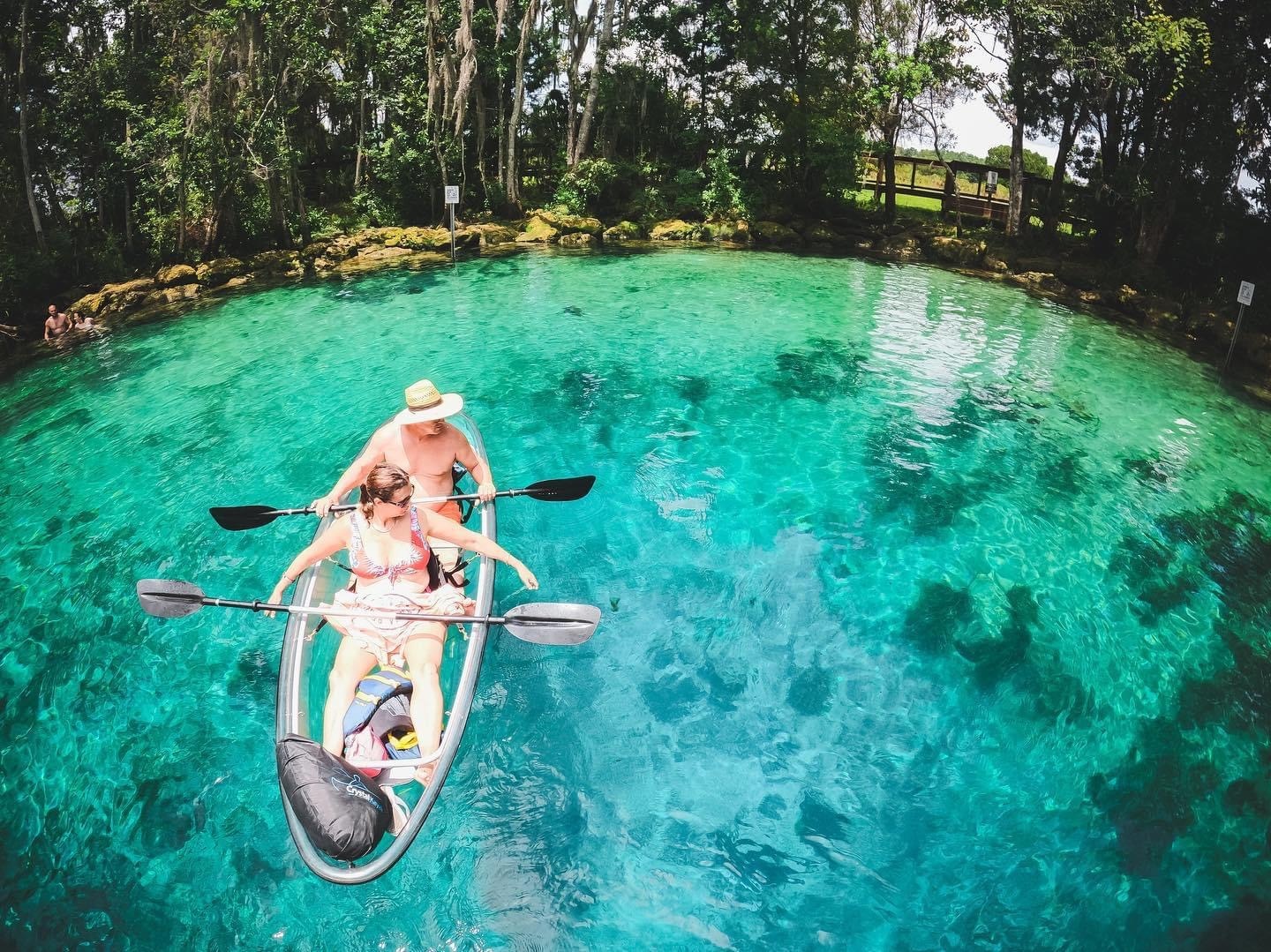
Beverly Hills sits inland within Citrus County but a short drive places you on a mosaic of shallow estuaries, winding rivers, and protected inshore Gulf waters where Atlantic bottlenose dolphins are a daily presence. Unlike open-ocean safaris where sightings are a thrill of distance and speed, dolphin experiences here are characterized by intimacy and variety: pods that travel coastal flats hunting schools of mullet, mothers teaching calves along quiet river bends, and small groups that follow fishing boats into channels. That accessibility creates a different kind of travel story—one that folds easily into a morning kayak, an afternoon photo workshop, or a sunset cruise.
Ecologically, the area’s mix of seagrass beds, oyster bars, and mangrove-lined creeks supports rich forage and predictable dolphin behavior. That predictability is a lure for photographers and families, but it also demands responsibility. The most memorable encounters come when observers respect distance and context—allowing dolphins to approach on their terms, choosing operators who follow state and federal wildlife guidelines, and prioritizing quieter, low-wake vessels or human-powered craft. For travelers, that means planning for tides, packing for waterborne conditions, and embracing the flexible rhythms of wildlife viewing rather than a rigid checklist.
Beyond the dolphins themselves, these excursions are gateways to complementary outdoor experiences. Kayaking and paddleboarding let you thread channels that larger boats can’t reach; birding on marsh edges reveals herons and ospreys that share the dolphins’ feeding grounds; and shallow-water snorkeling or reef walks in designated, permitted areas extend the day into another layer of coastal life. Whether your aim is a family-friendly sunrise cruise, a solo paddle with a camera, or a research-oriented volunteer day, Beverly Hills’ dolphin offerings present an approachable, responsible way to connect with Florida’s nearshore seas.
Dolphin watching here tends toward small-group, shore-accessible experiences—half-day cruises, private charters, and guided paddles are common. Operators vary in vessel type and group size, so pick an experience that matches your comfort with open water and your priorities for photography or wildlife distance.
Seasonal weather patterns affect sea state and animal distribution: calm spring and summer mornings maximize visibility and comfort on small craft, while hurricane season and cold fronts can push dolphins into different channels and reduce tour availability.
The harbor is the gateway, and the Pacific becomes the classroom.
Responsible viewing is less about rules and more about respect: let dolphins choose interactions, avoid chasing or encircling pods, and favor guides who brief clients on wildlife etiquette and safety before launching.
Choose by purpose
Whale watching, snorkeling, sunset sailing, cultural canoeing, harbor sightseeing, or private chartering.
Start near the city
Waikiki and Honolulu Harbor are primary hubs, with some trips launching near Hanauma Bay.
Confirm the vessel
Gangways, shaded seating, and boarding requirements vary according to vessel size and operator.