Top 12 Scuba Adventures in Beverly Hills, Florida
Beverly Hills Scuba Guide

Top 12 Scuba Adventures in Beverly Hills, Florida

Beverly Hills, Florida is an unlikely jumping-off point for scuba, but its inland calm gives quick access to two very different underwater worlds: the clear, steady-temperature freshwater springs that feed the region and the nearshore Gulf of Mexico with its grass flats, reefs, and wrecks. Most dives here are organized as short drives or charters from nearby coastal towns—think early launches to avoid afternoon sea breeze, relaxed shore-entry spring dives, and short boat runs to offshore artificial reefs. The local rhythm blends wildlife viewing, gentle drift and drift-adjacent dives, and easy transitions into complementary activities like kayaking, snorkeling, and nature photography.

Gulf Coast AccessFreshwater SpringsArtificial Reefs

Live destination inventory

Top Scuba Trips in Beverly Hills

12 trips · Book with confidence · Instant confirmation

The prototype intentionally does not invent replacement trip cards or add images that are not already part of the live source page.

The city from the water

Why Beverly Hills Is a Surprising Scuba Base

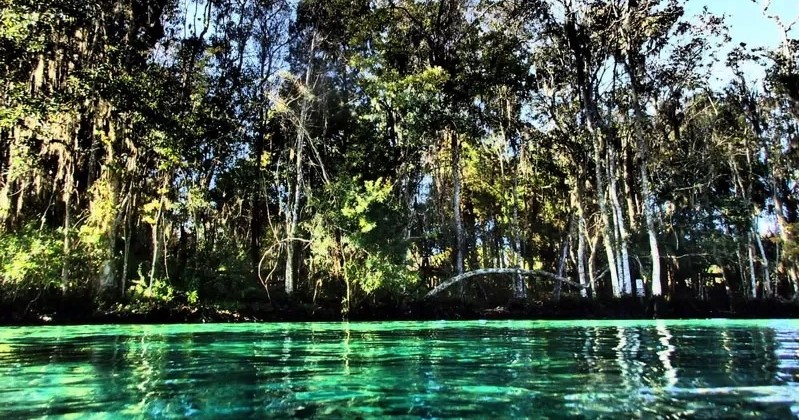
On paper, Beverly Hills reads like many small inland Florida towns—live oaks, citrus groves, and suburban streets. Stand on a quiet morning and the town's soft light hints at something else: a short drive in almost any direction drops you onto two aquatic ecologies that satisfy very different types of divers. One is the freshwater spring systems—clear, buoyant, and often warm—where visibility can be spectacular and dives are intimate, buoyancy-focused affairs. The other is the nearshore Gulf of Mexico: a mosaic of seagrass flats, patch reefs, and man-made wrecks that attract schooling fish, snappers, and the occasional curious ray. Together these environments make the area a flexible base for single-day dive itineraries that mix freshwater dives with saltwater trips, or for repeat visits that let divers practice skills in calm spring conditions and then test them on open-water reef or wreck dives. The sensory contrast between a spring and a Gulf dive is instructive. In a spring you descend into a clear, almost luminous column of water where light filters through tannic edges and thermally consistent water cradles your buoyancy. In the Gulf you’re often rewarded by broader marine life tableaux—seagrass rivers, swirling schools, and structures that concentrate fish life. Seasonality, tides, and weather shape the experience: winter and early spring bring different restrictions and wildlife considerations around springs, while late spring into fall can mean warmer Gulf water and more frequent afternoon wind and thunderstorms. For planners and photographers the area’s strength is flexibility—short drives to varied sites, multiple-operator dive charters within easy reach, and plenty of complementary surface activities. For travelers who like to layer experiences, a morning spring dive followed by an afternoon reef or wreck hop is a practical and moving way to see how freshwater and marine systems feed the Gulf coastline. Practical planning here rewards nuance rather than brute force. Divers who bring their own gear will find it easier to move between environments, but local operators provide rental and logistics for almost every type of dive. Certification level matters more for offshore diving than for springs; many spring dives are ideal for guided introduction and skill practice, while some Gulf sites require boat access and comfort with current and deeper profiles. Visually, these waters favor close-quarters composition and macro subjects in springs and wider, color-and-structure images on reefs and wrecks. Above water, combine any dive day with low-impact wildlife watching, kayaking, or a stroll through nearby nature preserves to get the full context of Florida’s coastal ecology. The result is a scuba playground that remains modest, accessible, and rich with different kinds of underwater stories—perfect for divers who appreciate variety and thoughtful planning.

The variety is the draw: freshwater springs offer calm, consistent conditions for skill practice and macro observation, while the Gulf delivers expansive reefs, artificial structures, and seasonal pelagics.

Seasonal wildlife, wind patterns, and manatee protection measures can strongly influence access and how you plan your days—book early for winter/spring windows and prioritize morning launches to minimize wind.

The harbor is the gateway, and the Pacific becomes the classroom.

Local operators commonly combine dives with snorkeling, kayak trips, and wildlife viewing, making it easy to tailor mixed-activity itineraries for non-diving companions.

Activity focus

Choose by purpose

Whale watching, snorkeling, sunset sailing, cultural canoeing, harbor sightseeing, or private chartering.

Departure hubs

Start near the city

Waikiki and Honolulu Harbor are primary hubs, with some trips launching near Hanauma Bay.

Accessibility

Confirm the vessel

Gangways, shaded seating, and boarding requirements vary according to vessel size and operator.
Seasonal planning

Best Time to Visit

Beverly Hills is warm year-round, but wind, swell, migration, visibility, and demand change the best match between traveler and trip.

Beverly Hills boat tour
Year-round destination

Seasonal highlights change the reason to go

Winter favors humpback encounters; warmer, calmer months favor snorkeling visibility and smoother water.

Humpback season

Winter and early spring see increased visitation around springs for wildlife viewing; this can affect dive and shore-entry access.

Prime whale watching, winter holidays, higher demand, and earlier sell-outs.

Snorkeling window

March–April–May–September–October–November

Typically gentler seas and clearer water for snorkeling trips.

Weather notes

Trade winds year-round

Spring and fall generally provide the most stable trade-offs between water temperature and wind; summer brings warm water but more frequent afternoon thunderstorms and the possibility of reduced visibility after storm runoff. Winter can be cooler and may coincide with seasonal wildlife protections in springs.

Quieter opportunities

Late spring & summer weekdays

Late spring through summer offers the warmest Gulf temperatures and productive reef life, though plan around afternoon storms and check operator schedules.

Match the trip to your comfort

Choose Your Experience Level

Low effort

Beginner

Introductory guided dives in springs or shallow reef sites, focus on buoyancy control and comfort in calm, protected water.

  • Guided shallow spring dive
  • Introductory reef shore dive with operator
  • Skills practice and confined-water sessions in calm areas
Active day trip

Intermediate

Multi-site days combining springs and nearshore stops, deeper reef dives to 60 feet, and boat-entry procedures.

  • Nearshore reef dives with mild current
  • Combined spring + reef day trips
  • Night dives on shallow wrecks or reefs
Longer or technical

Advanced

Offshore wreck dives, deeper profiles, and dives requiring advanced gas planning or current-management skills. Comfort with boat operations and changing Gulf conditions is important.

  • Nearshore wreck or artificial reef dives from charter boats
  • Advanced open-water and deep reef profiles
  • Extended navigation or drift-oriented dives

Prepare for sun, spray, and swell

What to Bring

Essential

Core kit

  • Diver certification card and logbook
  • Personal mask, snorkel, and fins (rental availability varies)
  • Exposure protection (wetsuit—thickness depends on season and environment)
  • Surface marker buoy (SMB) and dive light for low-visibility or wreck dives
  • Dive computer and spare timing device
Recommended

Useful extras

  • Reel and small backup light for spring caverns or limited-visibility conditions
  • Lightweight travel regulator or backup second stage if you own one
  • Reef-safe sunscreen and waterproof sun protection for surface intervals
  • Small waterproof camera or macro lens for springs, and a wide-angle setup for reefs
Optional

Trip-specific

  • Dry bag for keys, phone, and on-boat items
  • Logbook and small notepad for recording marine sightings
  • Mask defog and basic repair kit
  • Compact first-aid kit with seasickness remedies if you’re prone to motion
Always confirm access rules, operator schedules, and seasonal wildlife protections before you go.

Insider Tips & Local Knowledge

Reserve whale-watching and popular sunset cruises well ahead during December–April.
Choose morning snorkeling departures for calmer seas and better underwater visibility.
For motion sensitivity, choose a larger vessel, sit mid-ship, and take preventative medication before boarding.
Do not touch coral or wildlife, avoid standing on reefs, and use reef-safe sunscreen.
Community-based operators may add context about traditional navigation and stewardship.
Arrive early for parking and check-in because Waikiki departure areas can be busy.

Planning questions

Frequently Asked Questions

Yes—open-water certification is required for most independent scuba dives. Many local operators offer guided introductory dives for uncertified guests or courses to gain certification.
Top 12 Scuba Adventures in Beverly Hills, Florida
Ready for your scuba adventure?

Browse 12 verified trips in Beverly Hills.

Compare current availability and book with instant confirmation.

Explore Beverly Hills scuba