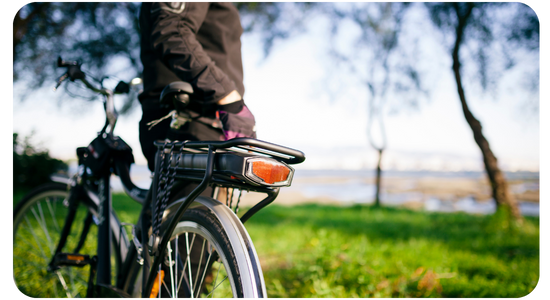
Bloomingdale is a study in accessible contrasts, and those contrasts are what make it compelling for E‑bike riders. From the moment you roll out of town you can choose your day: a mostly paved circuit that keeps things social and scenic along reservoir roads; a gravel grinder that threads through old access roads and quiet county lanes; or a boost up a short, steep connector into oak‑covered ridgelines where singletrack rewards nimble handling more than brute fitness. The electric assist transforms a region of modest hills into a playground where riders of varying fitness can extend their range without losing the feeling of being in the landscape.
There’s a democratic quality to E‑bikes here. Families and casual riders find lake loops and multiuse paths that are calm, safe, and close to parking and village services. Riders with gravel or light‑trail ambitions use the assist to link up longer circuits that would otherwise be broken up by long backroad detours. And for people who want technical terrain, the nearby foothills and municipal greenways offer short, punchy climbs and descents that reward a confident wheel and a tuned suspension fork. The result is a layered offering: short social outings, full‑day explorations, and everything in between, all within short driving distance of Bloomingdale’s town center.
Beyond topography, the region’s character matters. The landscape is stitched together from public reservoirs, municipal parks, and private conserved tracts. That patchwork makes route planning essential: some roads and fire lanes are public and popular with cyclists, while other access routes require checking land‑use rules or sticking to designated multiuse corridors. Cultural touches—farm stands in season, small historic village centers, and neighborhood cafes—turn stops on a ride into meaningful breaks rather than mere refueling points. Environmentally, the area is sensitive; riders are asked to respect no‑ride zones around water‑supply lands and to practice low‑impact riding on soft or muddy surfaces.
Finally, seasonality shapes the experience. Late spring and early fall offer the most forgiving weather and the best foliage or bloom displays; summer brings heat and occasional humidity that favor earlier starts, and winter can make many routes unusable unless you’re prepared with fat‑tire E‑bikes and cold‑weather gear. For planners and riders, Bloomingdale is less about epic single routes and more about a toolkit: pick a loop, pair it with a ferry of services (charge, food, shelter), and let the E‑bike extend how far and often you explore.
E‑bikes flatten many of the region’s logistical barriers: they make linking multiple trail types possible in one outing and allow riders to return to town with energy for an evening in a local café.
Respect for watershed lands and private conservation tracts is critical. Stick to signed routes, avoid fragile shorelines, and be ready to dismount for gated access points or footpaths.
The harbor is the gateway, and the Pacific becomes the classroom.
Bloomingdale’s proximity to both suburban services and quieter open spaces makes it a practical base for riders who value convenience as much as scenery.
Choose by purpose
Whale watching, snorkeling, sunset sailing, cultural canoeing, harbor sightseeing, or private chartering.
Start near the city
Waikiki and Honolulu Harbor are primary hubs, with some trips launching near Hanauma Bay.
Confirm the vessel
Gangways, shaded seating, and boarding requirements vary according to vessel size and operator.