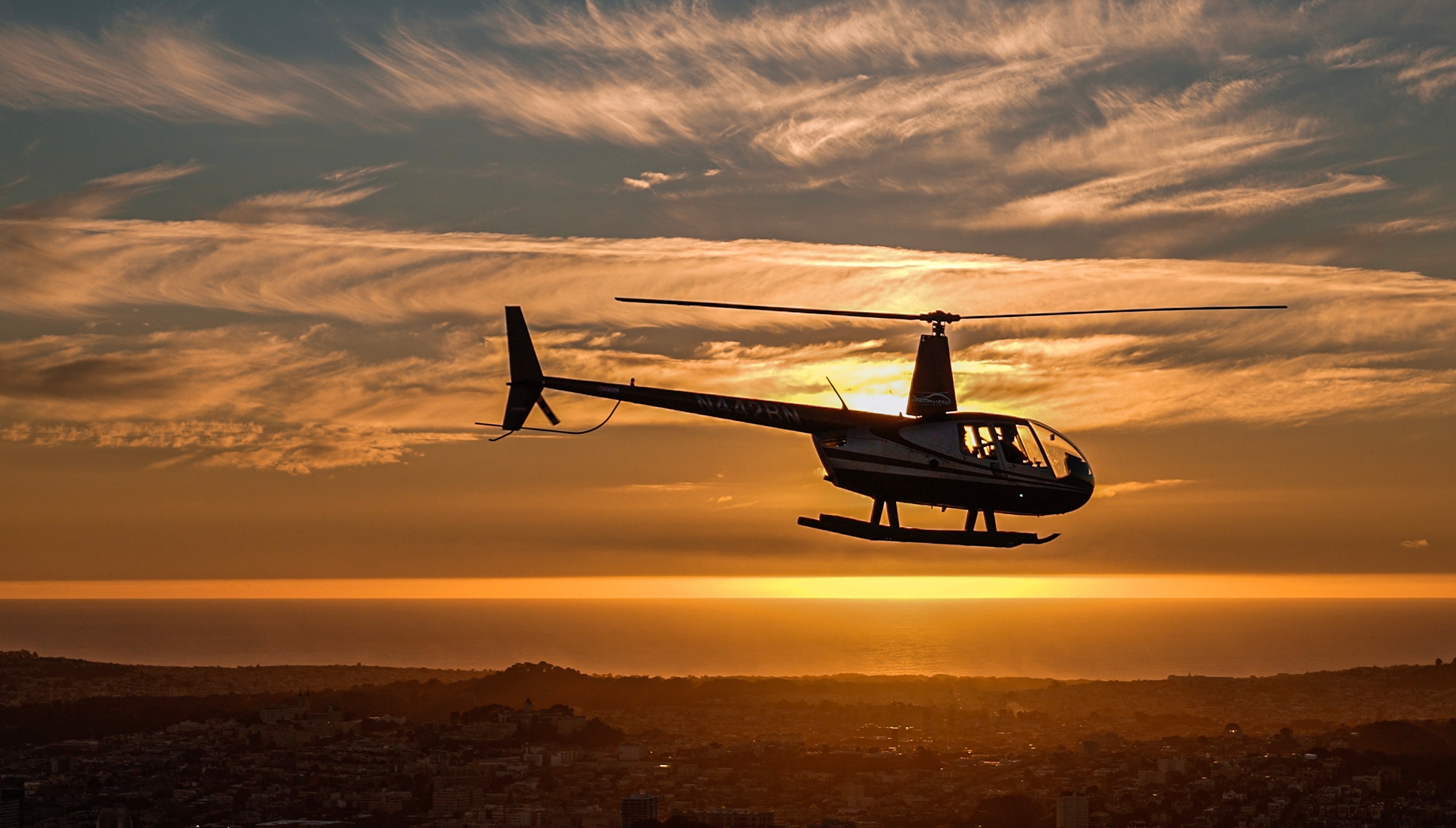
There is a specific hush that arrives when a small propeller plane traces the coastline above Bolinas: the muffled roar of engine, the long ribbon of coastline beneath, and for a moment the mainland’s complexities fall away. Bolinas is not a destination for jetliners or airport lounges; it is a place for low‑level perspective. Pilots and passengers who come here are seeking the human scale of aviation—short fields, close landings, coastal thermals, and flightseeing that feels less like transport and more like a conversation with the landscape.
From the air the geography reads plainly: a narrow coastal plain, the folded cliffs of the Marin coast, and the shallow bowl of Bolinas Lagoon that collects tides and migratory birds. That landscape shapes the flying. Morning flights can be a study in fog—soft, diffuse light and a thermal structure that keeps altitudes modest. On clear afternoons the sky opens, revealing layered ridgelines inland and the glitter of the Pacific to the west. For photographers the juxtaposition of long shadows on dunes and the low sun plays beautifully across the water; for pilots, the shoreline is a natural visual reference that complements navigation along the busy but delicate airspace of the North Bay.
Bolinas’s aviation scene balances intimacy with restraint. The community values quiet skies and sensitive habitat around the lagoon; many airplane experiences here are woven into that ethic. Flightseeing operators and pilots who work in the area often emphasize respectful routing, lower operating altitudes over unpopulated stretches, and awareness of seasonal wildlife concentrations. These unstated rules matter: they preserve the quality of the experience and the ecological features that make flying here memorable. That combination—spectacular views, approachable operations, and a community that shapes how aircraft move overhead—creates an airplane culture that feels curated rather than commercial.
Practically, Bolinas serves as a gateway to complementary outdoor activities. Land and then walk a shoreline trail, paddle the lagoon on a calm morning after a flightseeing tour, or hike a nearby headland for a different vantage on the route you flew. Because many airplane experiences use small aircraft, plan for limited passenger loads, simple ground facilities, and straightforward logistics: early reservations, flexible timing for weather, and a readiness to shift to an alternate day if the marine layer or stiff coastal winds move in. The payoff is authentic—an aerial intimacy with one of California’s quieter coasts, where every approach and circuit tells you something about the land below and the people who protect it.
Bolinas offers a rare close‑in aerial perspective—short runway techniques, low coastal passes, and direct access to shoreline photography are the hallmarks of airplane experiences here.
Fly responsibly: operators and pilots in the area often follow voluntary noise-abatement and routing practices to protect wildlife and maintain the town’s quiet character.
Choose by purpose
Whale watching, snorkeling, sunset sailing, cultural canoeing, harbor sightseeing, or private chartering.
Start near the city
Waikiki and Honolulu Harbor are primary hubs, with some trips launching near Hanauma Bay.
Confirm the vessel
Gangways, shaded seating, and boarding requirements vary according to vessel size and operator.