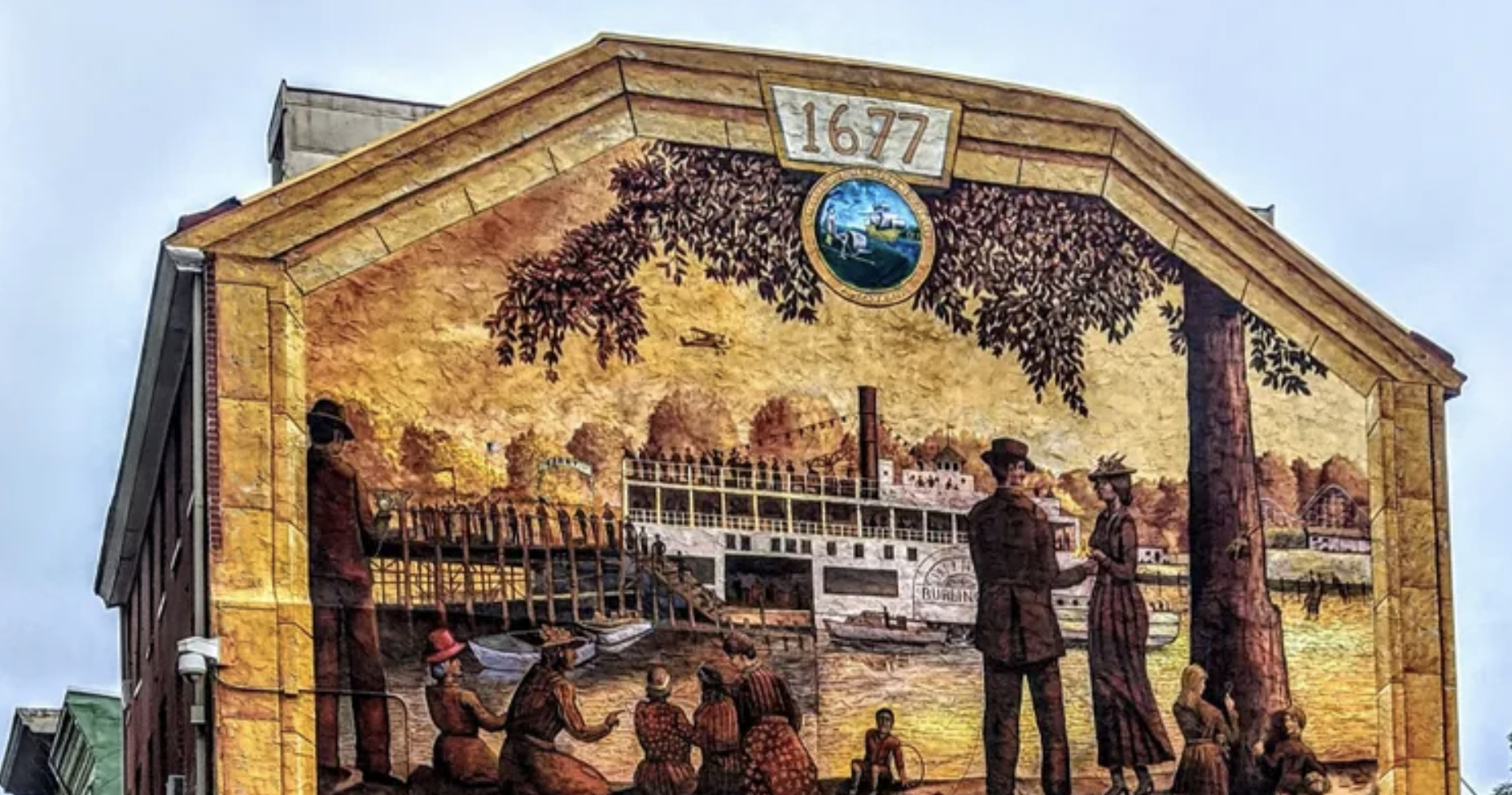
Walking through Bristol is like reading a short, layered novel written in brick, iron, and river breeze. The town’s compact footprint—old wharves, a measured grid of streets, and the low, storied rise of industrial buildings—means you can move quickly from one vivid scene to the next. Historic architecture and maritime infrastructure sit shoulder-to-shoulder with restored parks and modern murals. Each block offers a new sub-plot: the slow hum of the Delaware River, the quiet ribbon of canal towpath, or a neighborhood where porches and pocket gardens reveal everyday life.
More than nostalgia, Bristol’s walking tours are active encounters with landscape and labor history. Paths along the river and canal were once arteries for goods and people; today those same corridors are comfortable, mostly flat walking routes that appeal to anyone who wants to learn on foot without steep climbs or technical trails. The variety of walks is a genuine strength: you can follow a fully accessible waterfront promenade in the morning, do a focused historic architecture loop before lunch, and spend a golden hour at a marsh boardwalk watching migrating birds. The scale supports curiosity — tours that are short and flexible, easily paired with a coffee stop or a longer regional excursion down the Delaware Canal.
Seasonality in Bristol matters less for access and more for mood. Spring and fall give the most comfortable temperatures and the richest color palettes in the marshes; summer brings long, lazy evenings and the scent of river air but also the need for sun protection; winter offers quiet streets and clear sightlines through leafless trees for studying building details. Because most routes are low-elevation and close to town services, spontaneous adjustments are simple: shorten a loop if weather turns, or extend a route by following river-side trails into adjacent parks. This accessibility makes Bristol an inviting place for multi-generational groups, solo walkers, and visitors combining a day of history with birding, photography, or sampling local cafés.
Finally, the walking-tour scene is quietly civic. Local groups have helped reopen waterfront spaces and map neighborhood histories, which means many tours are rich with stories drawn from residents, not just plaques. That living connection enhances the walk: you’re not only seeing preserved places, you’re learning how the town’s identity keeps evolving. For travelers who like to move slowly and engage with context, Bristol’s walking tours offer a concentrated, human-scale exploration of river town life.
A walk can be whatever you need: educational history loop, easy nature ramble, or an art-and-architecture stroll. Many routes are modular—combine two short loops for a half-day outing.
Most walking tours are flat and accessible; the towpath and waterfront promenades are especially good for family groups and older visitors, while narrow historic streets require typical urban caution.
The harbor is the gateway, and the Pacific becomes the classroom.
Local events and seasonal markets sometimes overlap with tour routes, adding interest but also short-term crowds. Weekday mornings and early evenings are the calmest times to explore.
Guided options (when available) are usually offered by local historical societies and often focus on industrial heritage, immigrant communities, and the canal era.
Choose by purpose
Whale watching, snorkeling, sunset sailing, cultural canoeing, harbor sightseeing, or private chartering.
Start near the city
Waikiki and Honolulu Harbor are primary hubs, with some trips launching near Hanauma Bay.
Confirm the vessel
Gangways, shaded seating, and boarding requirements vary according to vessel size and operator.