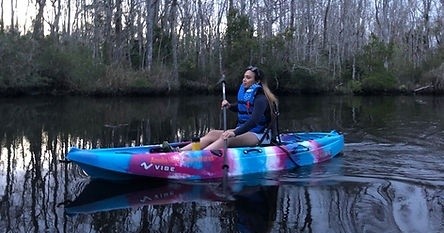
Why Callahan Is a Distinctive Place for Boat Tours
The water that shapes Callahan is unflashy and persuasive: tidal creeks braid through marshes, quiet rivers broaden into protected estuaries, and the Intracoastal threads past barrier islands that whisper of sand and surf. For travelers seeking a boating experience that prioritizes observation over speed, this pocket of northeastern Florida delivers. Here the stakes are local—bird colonies nesting along hidden shorelines, schools of mullet that send shimmering wakes across oyster bars, and old maritime routes where the culture of fishing and small-boat seamanship still matters.
Boat tours around Callahan aren’t about dramatic whitecaps or long offshore runs; they are about proximity. Guides steer small skiffs and pontoons into fingers of water that reveal the architecture of a coastal ecosystem: fiddler crabs scuttling the muddy edges at low tide, oyster reefs that hold the shoreline like living armor, and long-legged birds—herons, egrets, and ibises—standing sentinel. In spring and fall, migrants and resident species overlap, creating intense windows for birdwatching. Summer brings dense green growth, explosive insect life along the marsh edge, and afternoons where thunderstorms mold the rhythm of any outing. Winter tightens the palette; waterfowl concentrations and clearer light make for long photographic afternoons.
There’s also a cultural current here. Local captains often learned the waterways as kids—setting crab pots, running bait, and ferrying family across shallow rips—so tours deliver both natural history and human history. You’ll hear about oyster harvesting, old ferry landings that once moved goods and people, and the quiet persistence of communities that read the tides for work and recreation. For anglers, Callahan’s nearby channels and inshore flats offer productive inshore fishing—reds, trout, and flounder—without the pressure of crowded ports. For paddlers, narrow creeks provide meditative single-track waterways through cypress draped in Spanish moss and through saltmarsh corridors where the only motorized sound is a distant boat.
From a practical perspective, boat tours here are accessible: launch points are straightforward, tour lengths are flexible (from quick wildlife cruises to half-day fishing trips), and operators typically tailor the outing to the season. Safety and comfort matter—the sun is powerful and the tides do work you won’t see from the road—so the best tours combine local knowledge of tides and wildlife with the right gear: shade, hydration, and a crew prepared for quick weather shifts. In short, Callahan is best experienced from the water because the water is where the stories of place are easiest to read. It’s the kind of boating that slows you down, sharpens your attention, and rewards curiosity with small, irreplaceable moments: a great egret lifting into a gold-light morning, an oyster bed revealed at low tide, or a captain pointing out a remnant pier and the human histories it marks.
Many boat tours focus on the estuarine edge—where salt and fresh water mingle—so expect a mix of salt-tolerant plants, birdlife, and productive fisheries. Guides will often highlight seasonal hotspots for nesting birds and migratory stopovers.
Tidal schedules strongly shape the experience. Low tide reveals oyster bars and mudflats ideal for shorebird viewing; high tide opens upper creeks and freshwater-fed channels that support different wildlife and paddling options.
Choose by purpose
Whale watching, snorkeling, sunset sailing, cultural canoeing, harbor sightseeing, or private chartering.
Start near the city
Waikiki and Honolulu Harbor are primary hubs, with some trips launching near Hanauma Bay.
Confirm the vessel
Gangways, shaded seating, and boarding requirements vary according to vessel size and operator.