Top 6 Eco Tours in Cedar Grove, Florida
Cedar Grove Eco Tour Guide

Top 6 Eco Tours in Cedar Grove, Florida

Cedar Grove’s eco tours are small, purposeful windows into a coastal landscape where marsh, creek, and pine intersect. These guided outings—by kayak, skiff, and boardwalk—prioritize wildlife viewing, low-impact access, and local conservation narratives. Expect close encounters with wading birds, river otters, and the silent work of tides shaping salt grass and mangrove edges. For travelers who want to learn as they move, Cedar Grove’s tours pair natural history with practical stewardship: how the land supports fisheries, why seasonal timing matters, and how small actions at the shoreline ripple into broader resilience.

Coastal WetlandsTidal Creeks & EstuariesPine Flatwoods

Live destination inventory

Top Eco Tour Trips in Cedar Grove

6 trips · Book with confidence · Instant confirmation

The prototype intentionally does not invent replacement trip cards or add images that are not already part of the live source page.

The city from the water

Why Cedar Grove Is a Standout Spot for Eco Tours

Cedar Grove sits in a subtle seam where inland freshwater meets coastal tides: a mosaic of pine flatwoods, freshwater creeks, tidal marsh, and narrow estuary channels that together host surprising biodiversity. On an early-morning eco tour the air tastes of sea salt and pine resin; light slips across water and highlights the skeletal silhouettes of salt grasses while herons stand like patient sentinels. Guides here don’t just point out species, they trace connections—how upland run-off filters through marsh peat, how small creeks act as nurseries for juvenile fish, how seasonal winds shape shorelines. That connective thread is the point of Cedar Grove’s tours. They are, at once, natural-history lessons and invitations to place-based stewardship. The town itself is low-key and largely defined by its shoreline uses: family fishing, small-scale oyster cultivation, and a handful of conservation-minded groups that steward nearby reserves and publicly accessible boardwalks. This scale matters. Eco tours in Cedar Grove tend to be intimate—small boats, single-guide kayaks, or slow walking loops where silence is part of the protocol. The payoff for travelers is immediacy: the chance to watch a marsh snake slip through grasses without disrupting the scene, to track migratory warblers in tight-canopied pines, or to listen for the blow of a manatee in deeper pools during cooler months. Beyond wildlife, guides layer in human history—indigenous stewardship practices, the evolution of local fisheries, and recent restoration projects—so a tour feels like a compact, narrated field study. Practical advantages follow from that intimacy. Routes are accessible (many tours launch from low-gradient boat ramps or boardwalks), and operators emphasize low-impact ethics: leave-no-trace paddling, wildlife distances, and group limits to keep disturbance minimal. Cedar Grove’s geography also makes it versatile for a range of travelers—families can join short boardwalk walks and sheltered estuary skiffs, while seasoned naturalists opt for dawn kayak trips that push into tidal creeks. Seasonal rhythms matter here: spring and fall migration magnify bird diversity, winter can bring concentrated manatee or raptor activity, and summer’s long days favor nocturnal shell-sampling walks and night-sky interpretation once the heat fades. In short, Cedar Grove’s eco tours are about slow discovery—tiny ecosystems revealed through careful movement and local knowledge—and they reward visitors who arrive curious, prepared, and respectful.

Cedar Grove’s eco tours favor small-group formats and focus on interpretive storytelling; tours balance species identification with explanations of ecological processes and human impacts.

The landscape changes noticeably with the tide and the season—timing your outing (dawn for bird activity, low tide for exposed shellbanks) significantly affects what you’ll see.

The harbor is the gateway, and the Pacific becomes the classroom.

Complementary experiences—kayaking, birding, volunteer habitat restoration, and shore snorkeling in protected coves—extend a short tour into a deeper appreciation of the place.

Activity focus

Choose by purpose

Whale watching, snorkeling, sunset sailing, cultural canoeing, harbor sightseeing, or private chartering.

Departure hubs

Start near the city

Waikiki and Honolulu Harbor are primary hubs, with some trips launching near Hanauma Bay.

Accessibility

Confirm the vessel

Gangways, shaded seating, and boarding requirements vary according to vessel size and operator.
Seasonal planning

Best Time to Visit

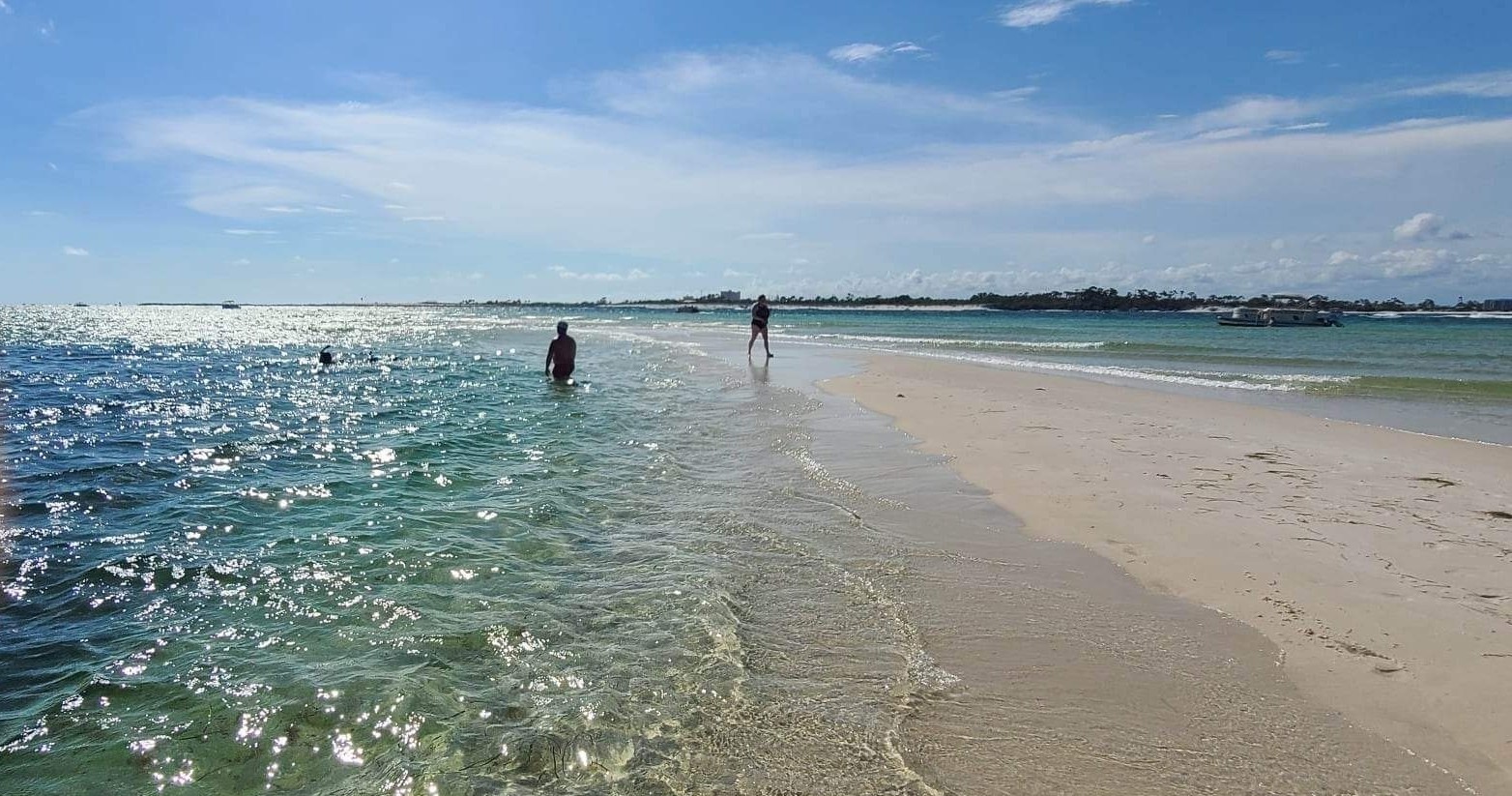
Cedar Grove is warm year-round, but wind, swell, migration, visibility, and demand change the best match between traveler and trip.

Cedar Grove boat tour
Year-round destination

Seasonal highlights change the reason to go

Winter favors humpback encounters; warmer, calmer months favor snorkeling visibility and smoother water.

Humpback season

Fall migration and late-winter/warm-snap months for marine mammal concentrations.

Prime whale watching, winter holidays, higher demand, and earlier sell-outs.

Snorkeling window

October–November–March–April–May

Typically gentler seas and clearer water for snorkeling trips.

Weather notes

Trade winds year-round

Autumn and spring offer the most comfortable temperatures and active migration windows; summer is hot and humid with afternoon thunderstorms and more biting insects, while late summer into early fall is hurricane season—check local advisories.

Quieter opportunities

Late spring & summer weekdays

Summer mornings can be quieter and are ideal for salt-marsh intertidal exploration at low tide; winter weekdays offer solitude and focused raptor or manatee-watching in sheltered creeks.

Match the trip to your comfort

Choose Your Experience Level

Low effort

Beginner

Accessible boardwalk walks and sheltered estuary skiff trips with minimal paddling or physical exertion.

  • Boardwalk marsh interpretive walk
  • Gentle estuary skiff tour
  • Half-day family kayak on calm creeks
Active day trip

Intermediate

Guided kayak tours into tidal creeks, longer mixed-terrain walks, and trips that require basic paddling experience and comfort with changing tides.

  • Tidal-creek kayak loop
  • Sunrise birding paddle
  • Shoreline snorkeling and intertidal foray
Longer or technical

Advanced

Longer expeditions that plan routes around tides and winds, multi-site tours that combine paddling with longer walks, or citizen-science outings focused on species surveys.

  • Offshore estuary crossing and habitat survey
  • Multi-hour low-tide shellbank and mudflat exploration
  • Volunteer-led restoration and monitoring expedition

Prepare for sun, spray, and swell

What to Bring

Essential

Core kit

  • Reusable water bottle and light snacks
  • Sun protection: hat, SPF sunscreen, UV shirt
  • Insect repellent (DEET or Picaridin recommended during warm months)
  • Waterproof or quick-dry footwear for shallow launches
  • Binoculars for birding and a small field notebook
Recommended

Useful extras

  • Light rain shell or windbreaker
  • Polarized sunglasses for glare reduction on water
  • Small daypack with dry bag for electronics
  • Camera with zoom lens or point-and-shoot with good low-light performance
Optional

Trip-specific

  • Waterproof phone case
  • Light binocular harness or strap for long walks
  • Guidebook or species checklist if you plan to log sightings
Confirm tide times, bring insect protection during warm months, and verify meeting points—many tours launch from small public ramps or private docks with limited parking.

Insider Tips & Local Knowledge

Reserve whale-watching and popular sunset cruises well ahead during December–April.
Choose morning snorkeling departures for calmer seas and better underwater visibility.
For motion sensitivity, choose a larger vessel, sit mid-ship, and take preventative medication before boarding.
Do not touch coral or wildlife, avoid standing on reefs, and use reef-safe sunscreen.
Community-based operators may add context about traditional navigation and stewardship.
Arrive early for parking and check-in because Waikiki departure areas can be busy.

Planning questions

Frequently Asked Questions

Most small commercial eco tours operate under general access at public ramps and boardwalks and handle any necessary operating permissions. Specific protected reserves may have separate rules or limited-entry windows—check with land managers or your tour operator before you go.
Top 6 Eco Tours in Cedar Grove, Florida
Ready for your eco tour adventure?

Browse 6 verified trips in Cedar Grove.

Compare current availability and book with instant confirmation.

Explore Cedar Grove eco tour