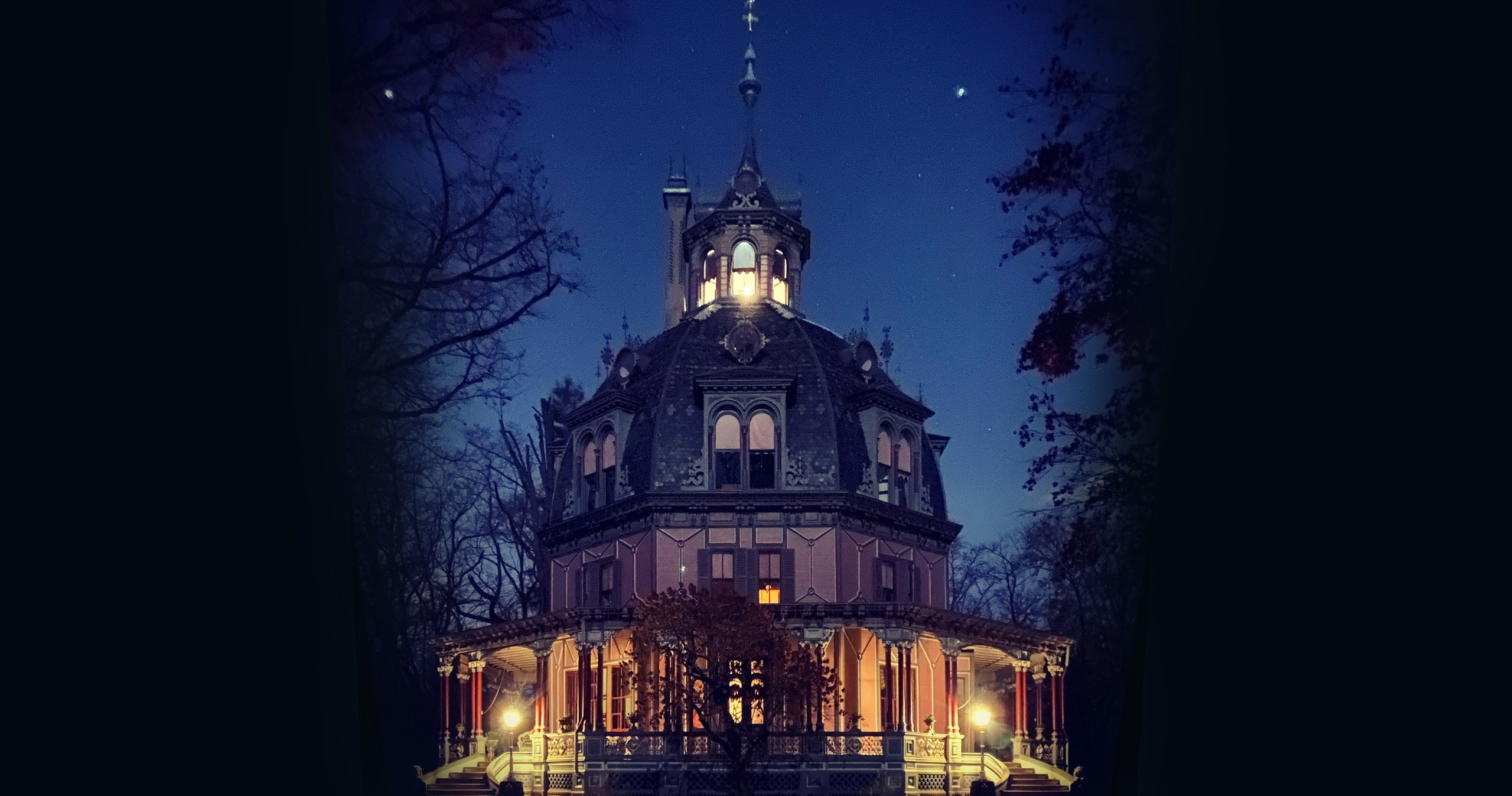
Congers presents the kind of walkable curiosity that rewards slow-moving travelers. On a walking tour here, the emphasis isn't on summit statistics or long, demanding miles; it's on rhythm and intimacy—village storefronts and crossroads that still bear traces of 19th- and early-20th-century life, quiet stretches of water that catch light differently through the seasons, and fringe woodlands where suburban edges give way to native trees and birdsong. Walking in Congers is a way to read the landscape of the lower Hudson Valley at human scale: you encounter layers of local commerce, commuter patterns, and natural communities in short steps rather than long drives.
The variety of walking experiences is surprisingly broad. Within a single morning you can follow a well-kept sidewalk past small businesses and historic houses, detour onto a tree-lined park path to listen for warblers in spring, and stand at a lakeside bench watching migrating waterfowl in autumn. For travelers seeking deeper context, walking tours can be framed around architecture and local lore, natural-history themes, or simply neighborhood discovery—each approach turns the hamlet into a compact field lab. Because many notable features are concentrated and accessible, Congers is especially good for mixed groups: families who want an educational stroll, photographers hunting light and texture, and seasoned walkers who enjoy piecing together longer routes by linking parks and backroads.
Practical advantages also make Congers appealing for walking tours. Parking hubs and short sidewalks reduce the need for long transfers; proximity to larger Hudson River towns lets you combine a Congers walk with riverfront excursions, cycling loops, or a paddling outing nearby. In all seasons the character of a walk changes—spring brings greening understory and early migrants, summer fills neighborhood gardens and makes shaded park loops pleasant, autumn sharpens views and colors, and winter strips the landscape to lines and structural detail. The trade-off is that some natural tracks and informal paths can be uneven or muddy after rain, so choosing the right route and footwear keeps a walking tour comfortable. Ultimately, Congers rewards attention: the best discoveries happen at a pace that lets you notice stone walls, hidden plaques, and the small ecosystems tucked between houses and water.
Scale is an asset: routes are short enough to be modular, letting you stitch together half-day or full-day walks that suit mobility, weather, and interest.
The area's seasonal shifts reshape the experience—from spring migrants and wildflowers to vivid fall color and winter clarity—making repeat visits worthwhile.
Choose by purpose
Whale watching, snorkeling, sunset sailing, cultural canoeing, harbor sightseeing, or private chartering.
Start near the city
Waikiki and Honolulu Harbor are primary hubs, with some trips launching near Hanauma Bay.
Confirm the vessel
Gangways, shaded seating, and boarding requirements vary according to vessel size and operator.