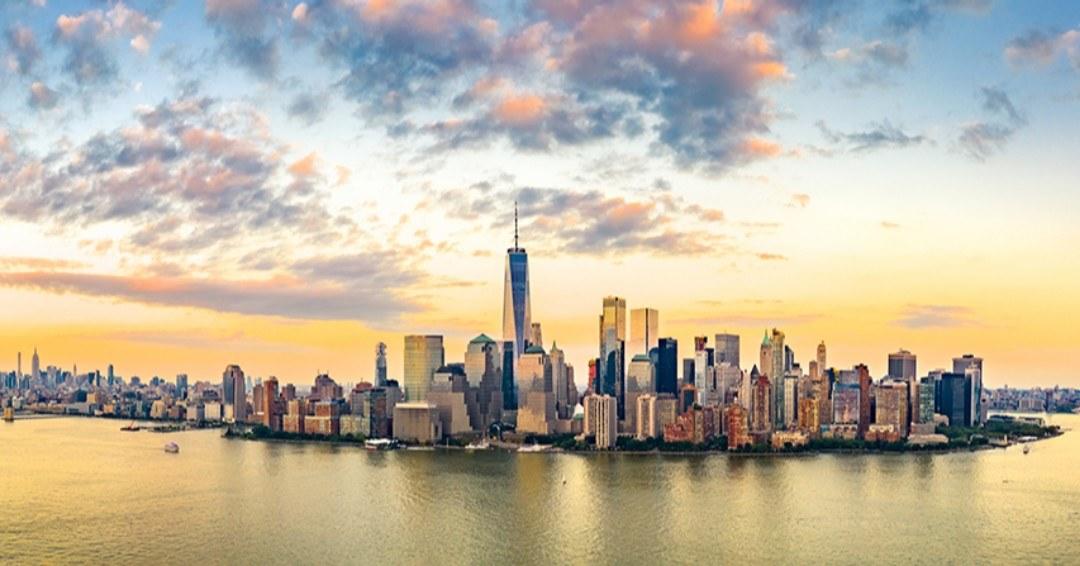
There’s a particular kind of hush that settles over Cranford at the very edges of sunrise: the river’s flat ribbon reflects early light, backyard chimneys steam, and from above the town resolves into a quilt of treetops, rail lines and historic village blocks. That perspective — the small-town pattern stitched into a broader metropolitan fabric — is what makes Cranford compelling for air activities. You’re not flying over wilderness, you’re trading the familiar scale of streets and parks for the clean geometry of flight paths and skyline silhouettes. Hot-air balloonists prize the slow, contemplative drift over the Rahway Valley and adjacent parklands; helicopter tours use Cranford as a quietly convenient launch point to show off Newark and Manhattan; and skydivers and glider enthusiasts stage jumps and sorties from nearby fields where the landscape opens into broader plains.
The region occupies a transitional zone: suburban neighborhoods give way to larger public lands and transport corridors. That mix means pilots and operators must work carefully within controlled airspace and with local weather patterns. Early morning and late afternoon thermals, relatively low average elevations, and the proximity to Newark Liberty International Airport shape both opportunity and constraint. For travelers the payoff is immediate: shorter transfer times to launch sites than you’ll find farther north or west, distinctive skyline views at distance, and the chance to pair an aerial outing with riverside paddling, cycling along greenways, or a leisurely village meal afterward.
Cranford’s air-activity scene is practical rather than posh. Expect experiences that emphasize access and learning: discovery glider rides, introductory tandem skydives, tethered and full free flights in balloons, and short scenic helicopter hops. Because the area is tightly stitched into the New Jersey and greater New York air-transport network, planning matters. Operators stagger flights around commuter traffic and regional weather windows; many flights leave before dawn or in the evening golden hour. That scheduling becomes part of the ritual — an early coffee, a quick drive out to a field, the silence before inflation. It’s travel keyed to moments of light and wind.
Beyond the flight itself, Cranford rewards an active itinerary. Launch-site mornings can be paired with a paddle on the Rahway River, a bike ride through adjacent county parks, or a walk through downtown Cranford’s historic district while the rest of the town wakes. For repeat visitors, the area offers a seasonal cadence: spring and fall provide the most stable conditions for ballooning and gliding; summer invites helicopter sightseeing and late-afternoon flights but carries thunderstorm risk; winter can be excellent for clear-visibility rotorcraft and simulator experiences but limits lighter-than-air operations. The result is a balanced, accessible air-activity destination where short planning and sensible weather awareness unlock memorable aerial perspectives.
Cranford’s location near larger airports and drop zones means you can reach varied air experiences without long drives — but operators must coordinate around controlled airspace and commute schedules.
Early mornings and evenings are prime for most air activities: calmer winds, stable air, and dramatic light. Expect most balloon and glider flights to launch near dawn.
The harbor is the gateway, and the Pacific becomes the classroom.
Complementary activities like paddling the Rahway River, hiking nearby park trails, and local cafés make it easy to build a full-day itinerary around a short flight.
Choose by purpose
Whale watching, snorkeling, sunset sailing, cultural canoeing, harbor sightseeing, or private chartering.
Start near the city
Waikiki and Honolulu Harbor are primary hubs, with some trips launching near Hanauma Bay.
Confirm the vessel
Gangways, shaded seating, and boarding requirements vary according to vessel size and operator.