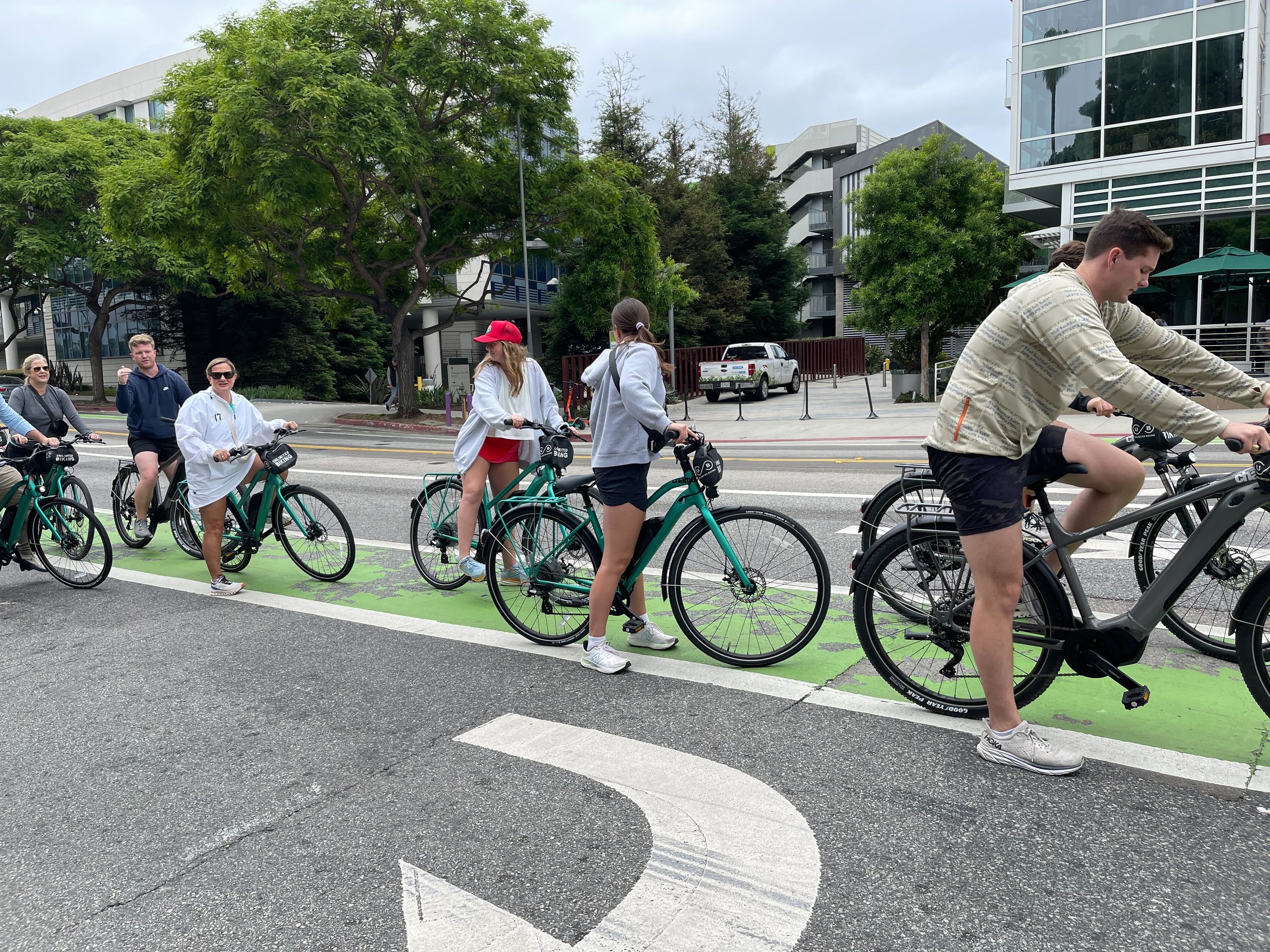
Why Culver City Is Ideal for E‑Biking
There’s a particular rhythm to riding an e‑bike around Culver City: short bursts of glass-and-brick downtown energy, a soft glide along Ballona Creek, then a gentle climb where the city gives way to scrubby hills and ocean light. In a region where distance and traffic often determine whether you’ll venture somewhere on two wheels, electric assist shortens the psychological gap between neighborhoods and destinations. Suddenly the Marina, the Baldwin Hills overlooks, and the stretch of wetlands near Playa Vista belong to the same afternoon. The city’s compact blocks, an increasingly bike-aware urban core, and immediate access to green corridors make Culver City a natural playfield for riders who want variety without committing an entire day.
Culver City’s history—anchored by movie studios and mid-century commercial corridors—creates surprising contrasts on a ride. Pedal past restored Art Deco facades and you’ll find parks that open into panoramic views of the L.A. basin; follow Ballona Creek toward the coast and the landscape loosens into tidal flats and reeds. That cultural mix matters: e‑bikes let you thread between errands, art galleries, tasting rooms, and trailheads with equal ease. The hardware matters too. Class 1 and 2 assist feels at home on the flat, linear paths of Ballona Creek, while a higher-powered Class 3 setup makes the short, steep pitches of Baldwin Hills and the Kenneth Hahn ridgeline feel like a rolling promenade rather than a lung-burn.
The environmental story of the area shades every ride. Ballona Wetlands and the network of restored creekside habitats are reminders that this part of L.A. is not just pavement and parking — it’s a living coastline under active stewardship. Riding here has an almost civic dimension: you witness restoration projects, bike-friendly infrastructure experiments, and community-led slow-street efforts. For travelers, that translates into an experience that’s part outdoor nature loop, part neighborhood tour. E‑bikes amplify the accessibility of these layered experiences, making it practical to sample wetlands birding at dawn, visit a studio lot by midday, and finish with sunset over the harbor.
Practicalities cement the appeal. Culver City’s scale means you rarely need to lock up and leave your ride for long; short-term parking for bikes and plentiful cafés make pit stops seamless. The weather—mild Mediterranean—lets riders plan year-round, though coastal fog, afternoon marine layers, and the occasional winter storm require a light rain shell and flexible timing. Finally, because Culver City operates as a node in a larger Los Angeles network, e‑bikers can use rail connections and bike-friendly streets to extend trips: the Expo Line, nearby beach paths, and low-traffic streets provide the connective tissue that turns local loops into all-day coastal excursions. For anyone weighing a first e‑bike trip or plotting a day of varied micro-adventures, Culver City offers an unusually efficient, satisfying, and richly textured ride.
E‑bikes transform short climbs in Baldwin Hills into scenic rewards rather than obstacles, opening lookout points that blunt many riders avoid.
Ballona Creek is the spine for most local rides—a mostly flat, connected route that leads directly toward Marina del Rey and the beach.
The harbor is the gateway, and the Pacific becomes the classroom.
Culver City’s downtown and nearby neighborhoods are dense with food, coffee, and repair-friendly shops, making it easy to mix utility rides with recreational loops.
The city’s proximity to restored wetlands and coastal trails lets riders combine urban ephemera with genuine nature viewing—great for photographers and birders alike.
Choose by purpose
Whale watching, snorkeling, sunset sailing, cultural canoeing, harbor sightseeing, or private chartering.
Start near the city
Waikiki and Honolulu Harbor are primary hubs, with some trips launching near Hanauma Bay.
Confirm the vessel
Gangways, shaded seating, and boarding requirements vary according to vessel size and operator.