Air Activities at Eagles Lake, Florida
Eagles Lake Air Activities Guide

Air Activities at Eagles Lake, Florida

Eagles Lake unspools like a quiet curtain between marsh and pasture—an unexpected theater for air-based adventure in Central Florida. From sunrise hot-air balloon drifts to low-and-slow seaplane hops across glassy water, the place rewards travelers who want the slow poetry of altitude and the crisp practicalities of planning: wind windows, launch fields, and shoreline pick-ups. This guide breaks down what's possible above Eagles Lake, how weather and terrain shape each experience, and how to choose the right flight for your comfort level.

Eagles LakeLake CountyCentral Florida Wetlands

Live destination inventory

Top Air Activities Trips in Eagles Lake

7 trips · Book with confidence · Instant confirmation

The prototype intentionally does not invent replacement trip cards or add images that are not already part of the live source page.

The city from the water

Why Eagles Lake Is a Standout Air Activities Destination

There’s a particular hush just before sunrise over Eagles Lake—an exhale between a night saturated with frogs and the first high birdsong. It’s a quiet that makes the air feel like a medium you can move through: cool, dense, and full of small possibilities. For pilots and riders alike, that hush is the raw material of every air activity here. Hot-air balloons use those calm early hours to paint the sky in soft, vertical rises; paramotor pilots read the same stillness for takeoff strips along pasture edges; seaplane operators look for glass-flat conditions on the lake and the long windows between afternoon breezes and summer storms. The surrounding landscape is elemental and oddly intimate from above. Wetlands and marsh grass radiate patterns that are invisible from the road. Cattle, tree lines, and neighborhoods shrink into an arranged map where you can spot the human mark—the pier where a kayak club launches, the stripe of a county road, the patchwork of ranchland. Because Eagles Lake sits within Central Florida’s mosaic of lakes and low-lying wetlands rather than a dramatic mountain or skyline, air activities here are less about altitude and more about perspective: low, long, and endlessly detailed. That makes the experience accessible and compelling for photographers, birdwatchers, and anyone who prefers lingering over rushing. Practical conditions drive everything. Florida’s seasonal rhythm—dry, cooler winters and hot, humid summers punctuated by afternoon storms—creates windows for better flying. Wind is the master variable: light, stable breezes welcome balloonists and seaplanes; stronger thermals and late-afternoon gusts favor experienced pilots and often limit tandem or intro rides. Launch and recovery logistics are simpler here than in busier tourist hubs. Many operators stage from private fields or local airstrips, and seaplane pickups can be coordinated on quiet stretches of lake shoreline. That said, proximity to wetlands means thoughtful planning for wildlife, low-level flight over nesting areas, and shoreline access are part of the checklist. Beyond the mechanics, air activities at Eagles Lake intersect naturally with nearby outdoor pursuits. A morning balloon ride that lands in a pasture can be paired with a lakeside breakfast and a kayak paddle at midday; a seaplane transfer opens up remote fishing spots; a paramotor flight over marshes makes for excellent scouting before a birding walk. For travelers seeking variety, mixing a calm aerial tour with a terrestrial exploration—bike rides along country lanes, canoe loops, or guided bird walks—creates a fuller sense of place. For those drawn to flight as a skill, Eagles Lake offers reasonable progression: introductory tandem flights, discovery lessons, and then local flying fields for those who want to log time and solo-launch under guidance. Ultimately, Eagles Lake’s appeal for air activities is its intimacy and cadence. Flights are not about breaking speed records or altitude lines but about close observation—of light, water, and the land’s small storylines. With thoughtful timing, a respect for weather, and a willingness to pair airborne time with on-the-ground exploration, a visit here becomes less like checking off a bucket-list ride and more like learning the region’s language from above.

Eagles Lake’s low elevation and broad water surface make it friendly to seaplane ops and gentle balloon flights—two of the most popular air experiences here.

Operators tend to run flights early morning or late afternoon to avoid midday thermals and summer storm build-ups. Winter and spring typically offer the most reliable windows.

The harbor is the gateway, and the Pacific becomes the classroom.

Because many launch sites are privately managed, advance booking and clear pickup plans (shoreline docks, fields) are standard practice.

Activity focus

Choose by purpose

Whale watching, snorkeling, sunset sailing, cultural canoeing, harbor sightseeing, or private chartering.

Departure hubs

Start near the city

Waikiki and Honolulu Harbor are primary hubs, with some trips launching near Hanauma Bay.

Accessibility

Confirm the vessel

Gangways, shaded seating, and boarding requirements vary according to vessel size and operator.
Seasonal planning

Best Time to Visit

Eagles Lake is warm year-round, but wind, swell, migration, visibility, and demand change the best match between traveler and trip.

Eagles Lake boat tour
Year-round destination

Seasonal highlights change the reason to go

Winter favors humpback encounters; warmer, calmer months favor snorkeling visibility and smoother water.

Humpback season

Late fall through spring when skies are clearer and wind conditions are steadier.

Prime whale watching, winter holidays, higher demand, and earlier sell-outs.

Snorkeling window

November–December–January–February–March–April

Typically gentler seas and clearer water for snorkeling trips.

Weather notes

Trade winds year-round

Winters and early spring are drier with more stable wind conditions—ideal for ballooning, seaplane ops, and introductory flights. Summers bring stronger thermals, higher humidity, and frequent afternoon thunderstorms that shorten daily flight windows.

Quieter opportunities

Late spring & summer weekdays

Summer offers stronger thermals useful for experienced paragliding or paramotoring pilots and often quieter booking calendars, but plan around frequent storm cells and shortened morning windows.

Match the trip to your comfort

Choose Your Experience Level

Low effort

Beginner

Introductory tandem flights, scenic helicopter tours, and captive or tethered balloon experiences that require minimal preparation.

  • Tandem sunrise hot-air balloon ride
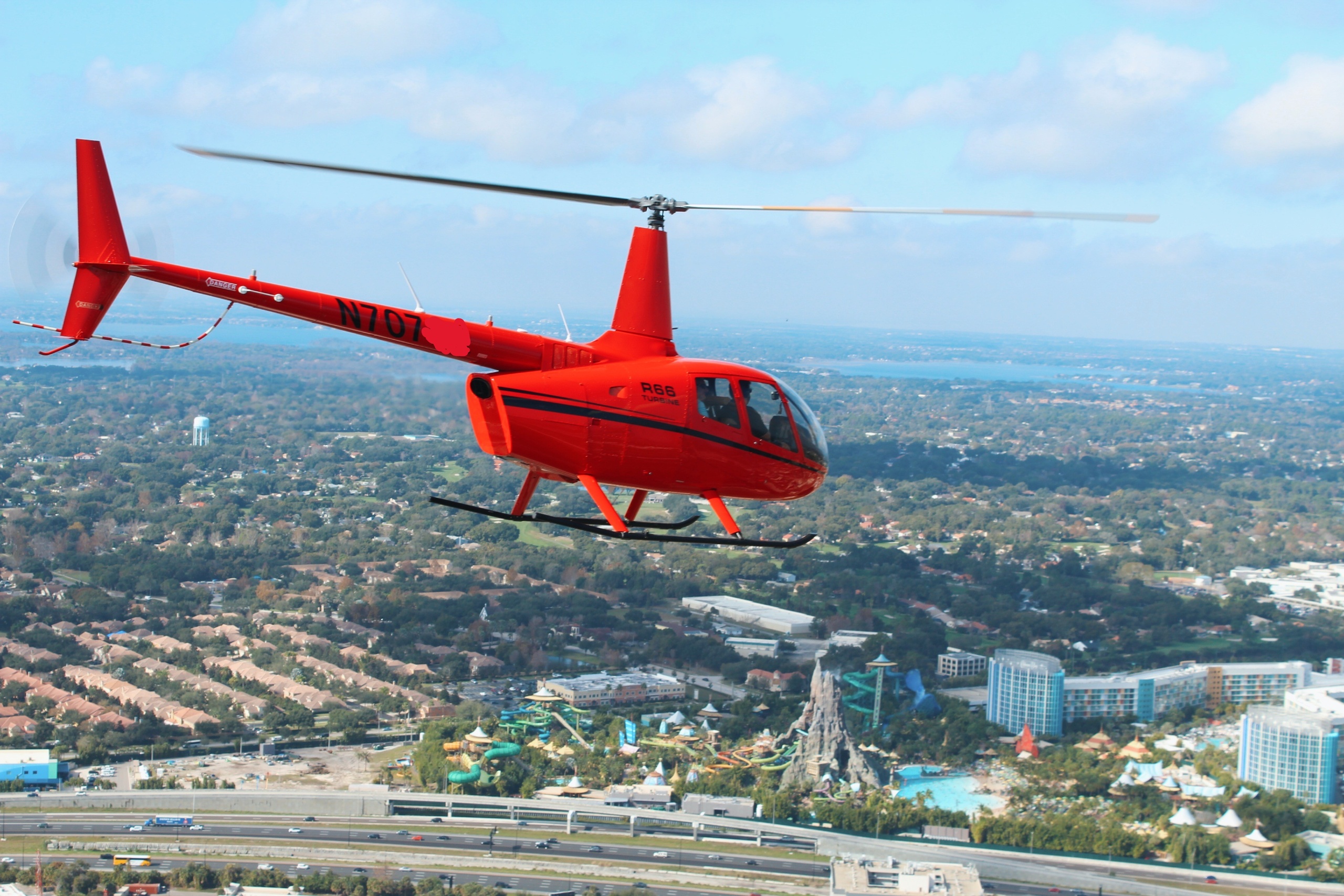
  • Short scenic helicopter tour over the lake
  • Introductory seaplane scenic hop
Active day trip

Intermediate

Discovery lessons and tandem paramotor flights that introduce piloting skills and require a basic comfort with height and movement.

  • Paramotor tandem lesson around wetland corridors
  • Discovery flight lesson in an ultralight
  • Seaplane fishing transfer with hands-on docking briefing
Longer or technical

Advanced

Solo cross-country paragliding and regulated light-aircraft flights requiring pilot certification, local field knowledge, and advanced weather judgment.

  • Solo paramotor flights with local pilot oversight
  • Pilot-led seaplane charters to remote lakes
  • Advanced cross-country paragliding over regional corridors

Prepare for sun, spray, and swell

What to Bring

Essential

Core kit

  • Valid photo ID (required for most commercial flights)
  • Layers—mornings can be cool, afternoons warm quickly
  • Closed-toe shoes and sun protection for post-landing walking
  • Phone or camera with a secure strap or case
  • Water bottle
Recommended

Useful extras

  • Light windbreaker or fleece (balloon baskets and open nacelles can be chilly)
  • Sunglasses and sunscreen
  • Small daypack for after-landing gear
  • Portable battery for phones or cameras
Optional

Trip-specific

  • Binoculars for bird and shoreline viewing
  • Waterproof case for seaplane shore pickups
  • Compact travel towel if a wet landing or dock pickup is possible
Confirm pickup logistics, landing permissions, and weather windows directly with your operator before you go.

Insider Tips & Local Knowledge

Reserve whale-watching and popular sunset cruises well ahead during December–April.
Choose morning snorkeling departures for calmer seas and better underwater visibility.
For motion sensitivity, choose a larger vessel, sit mid-ship, and take preventative medication before boarding.
Do not touch coral or wildlife, avoid standing on reefs, and use reef-safe sunscreen.
Community-based operators may add context about traditional navigation and stewardship.
Arrive early for parking and check-in because Waikiki departure areas can be busy.

Planning questions

Frequently Asked Questions

Yes—most commercial operators run tandem or guided flights designed for beginners. Safety briefings, experienced pilots, and weather-based cancellations are standard. Disclose any medical concerns ahead of booking.
Air Activities at Eagles Lake, Florida
Ready for your air activities adventure?

Browse 7 verified trips in Eagles Lake.

Compare current availability and book with instant confirmation.

Explore Eagles Lake air activities