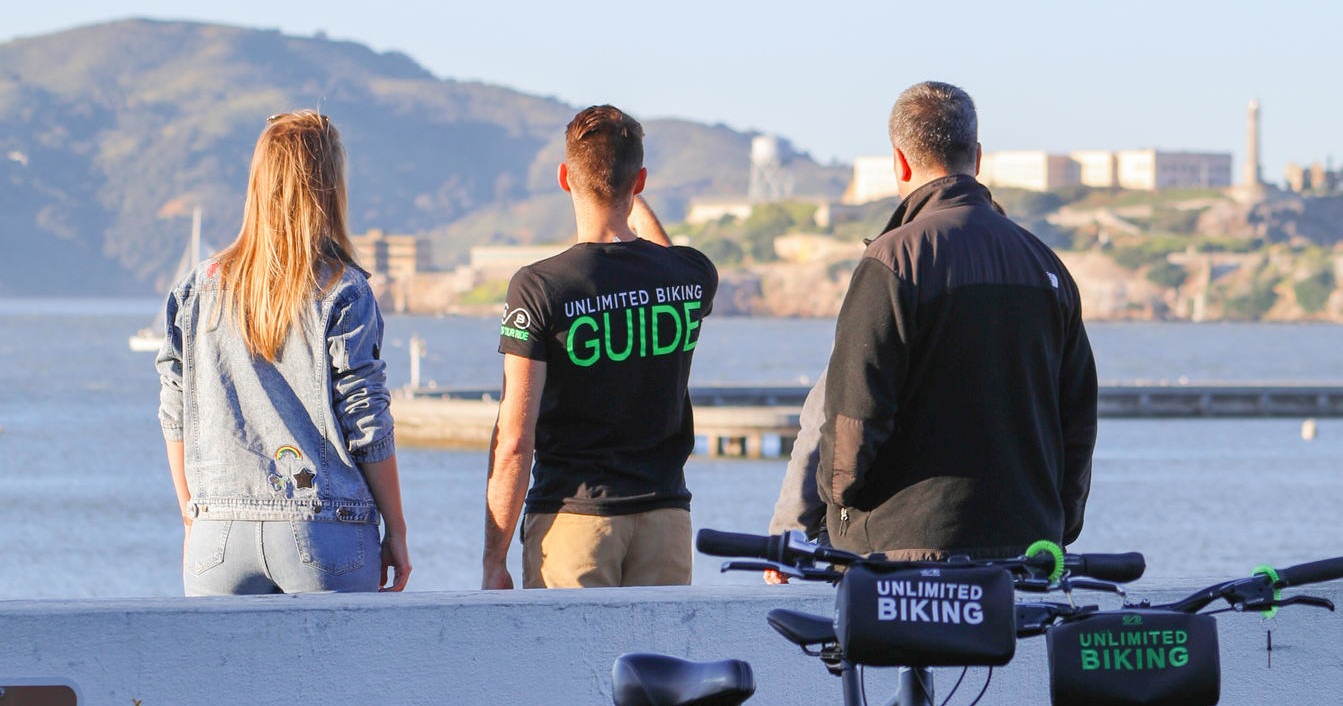
Why East Palo Alto Is a Standout Bike-Touring Base
East Palo Alto sits at an intersection of contrasts that cyclists come to appreciate: the industrial hum of service yards and rail corridors gives way within minutes to open tidal marshes where egrets quarter the mudflats. That juxtaposition shapes every ride here. Routes are low and fast, often flat enough for a relaxed, conversation-speed tour or for pushing a fitness interval with the Bay breeze at your back. But flat is not simple—there’s a subtler complexity in the way tides, wind, and human infrastructure shape access and views. A morning out along the Bay Trail is a study in clarity: the marsh mirrors the sky, shorebirds trace low arcs, and the tectonic silhouette of the Peninsula rises beyond the water. As the day warms, commuter energy shifts the tone to utility cycling—students, tech workers, and delivery riders weaving through quiet residential blocks and greenways.
The cultural dimensions of East Palo Alto also make bike tours here worth savoring. This is a community in motion and transition, with culinary spots, murals, and grassroots organizations that reflect decades of neighborhood life. A bike tour can easily fold in local stops—a coffee on University Avenue, a quick visit to a community garden, a mural-lined street—so the ride becomes a local narrative rather than a simple training loop. Conservation is equally central: the Don Edwards San Francisco Bay National Wildlife Refuge and Ravenswood Open Space are not only scenic destinations but living projects of habitat restoration and sea-level adaptation. Guided, interpretive rides and volunteer habitat days are common crossovers; pairing a shoreline loop with a docent-led wetlands talk gives the flat landscape a deep ecological story.
Practical access is a decisive strength. East Palo Alto is served by regional transit and bike-friendly links: Caltrain stations in nearby Palo Alto and Redwood City, a web of bike lanes and multiuse paths, and bike shops within a short ride. That means easy day-trip planning—roll off a southbound train with your bike and spend a morning on the levees, or stage a loop that connects Menlo Park, the Bay Trail, and the Shoreline. Seasonally, spring and fall deliver the most forgiving weather: mild temperatures, clear light, and migratory birds. Summer brings more commuter traffic and a stronger sun, while winter rains can make some unpaved shoulder sections muddy. For adventurous riders interested in variety, East Palo Alto is a launchpad: combine flat marsh loops with adjacent route options—grading up to the hills of Woodside, exploring Mountain View’s urban cycling infrastructure, or taking a longer coastal circuit to Half Moon Bay.
In short, East Palo Alto’s appeal for bike touring is not in dramatic elevation or technical singletrack but in layered experience: ease of access, ecological richness, and a living local culture that transforms a ride into a day of small discoveries. Whether you want a restorative wildlife loop, a fast-edge training route, or a community-focused pedal that mixes food and history, the area rewards cyclists who look and listen as much as they cover miles.
Flat, low-elevation routes make the area accessible for families and riders new to distance touring.
The Bay Trail provides uninterrupted waterfront mileage with shoreline views and birding opportunities.
The harbor is the gateway, and the Pacific becomes the classroom.
Local culture, murals, and food stops let you combine riding with neighborhood exploration.
Restoration projects at Don Edwards and Ravenswood add ecological context to shoreline rides.
Choose by purpose
Whale watching, snorkeling, sunset sailing, cultural canoeing, harbor sightseeing, or private chartering.
Start near the city
Waikiki and Honolulu Harbor are primary hubs, with some trips launching near Hanauma Bay.
Confirm the vessel
Gangways, shaded seating, and boarding requirements vary according to vessel size and operator.