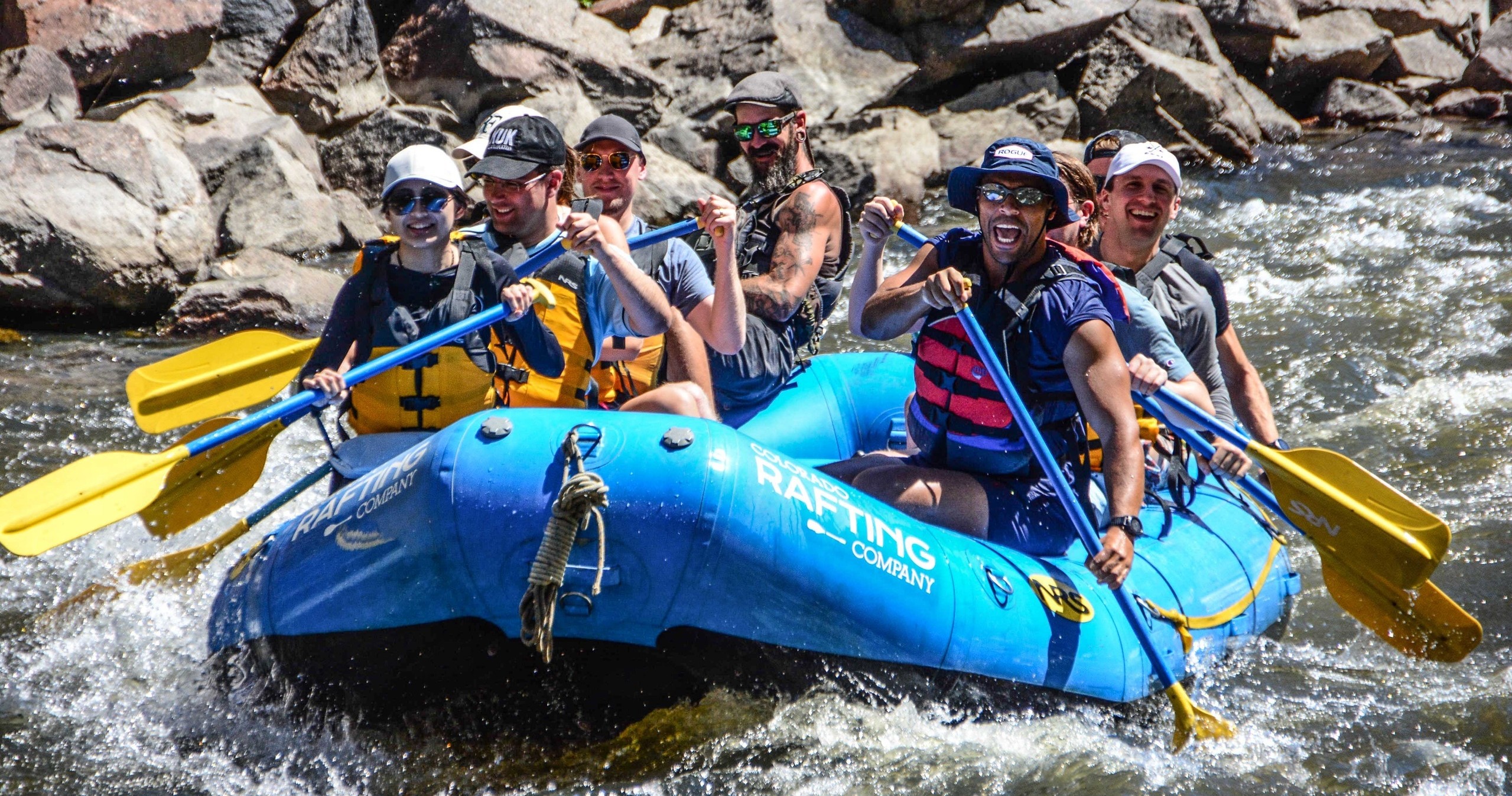
Edwards is compact in footprint but generous in access. Nestled in the Vail Valley and threaded by the Eagle River, the town functions as a practical staging area for river days that feel much farther afield than the short drive suggests. On a summer morning you can stand on a bridge in town and watch the river, framed by Ponderosa and aspen stands, then be on a raft within twenty to forty minutes. The combination of elevation, snowmelt-driven flows, and valley geography creates a season of river options: early-season swifter currents and cold, clear water; mid-summer steady gauge levels ideal for family-friendly floats; and late-summer lower, warmer stretches that favor scenic trips and paddling clinics.
The rafting identity around Edwards is layered. There are gentle stretches ideal for first-timers and families, where the trip is as much about cooling off and mountain scenery as it is about adrenaline. There are intermediate runs with technical rapids and wave trains that reward timing and teamwork, perfect for groups who want to push beyond the float without committing to multi-day river logistics. And for experienced paddlers, the broader Eagle–Colorado corridor offers access to longer, more continuous whitewater and technical canyons farther downstream, where private-guided expeditions and specialized outfitters run advanced trips. That diversity makes Edwards attractive: it’s a place where different skill levels can share a basecamp and choose separate runs by day.
Beyond the water, the sensory frame matters. Rafting here is punctuated by alpine light, scent of sagebrush and juniper, and the improbably close view of snowfields even in summer at higher elevations. Wildlife sightings—otter on river rocks, a red-tailed hawk riding thermals, mule deer at dawn—add texture to ordinary float days. Cultural and historical context deepens the experience: the waterways were long travel corridors and resource zones for Indigenous peoples and later became lifelines for mining and ranching communities. Outfitters in the valley often fold bits of local history into their briefings, turning a run into both a nature and place lesson.
Practicality is a quiet but decisive advantage. Edwards and the surrounding towns host compact clusters of rental shops, guiding services, and lodging—so you can pack a day bag, hop a shuttle, and be on the river without a long commute. For visitors mixing pursuits, the valley allows for convenient crossovers: a morning rafting trip followed by an afternoon mountain-bike loop or an evening on a riverfront trail. That flexibility makes Edwards not just a starting point for whitewater, but a hub for multi-activity summer adventures—ideal for families that want variety and for seasoned travelers looking to stitch together hiking, climbing, and paddling into a single itinerary.
Accessible drives from Edwards put you on several class ranges—calmer lower sections for families and intermediate canyon stretches that challenge experienced paddlers.
Local outfitters operate half-day, full-day, and private trips; many provide shuttles, wetsuits or splash gear, and basic instruction for novices.
The harbor is the gateway, and the Pacific becomes the classroom.
The valley’s short distances between services and launch points make last-minute planning and same-day bookings feasible during peak season.
Choose by purpose
Whale watching, snorkeling, sunset sailing, cultural canoeing, harbor sightseeing, or private chartering.
Start near the city
Waikiki and Honolulu Harbor are primary hubs, with some trips launching near Hanauma Bay.
Confirm the vessel
Gangways, shaded seating, and boarding requirements vary according to vessel size and operator.