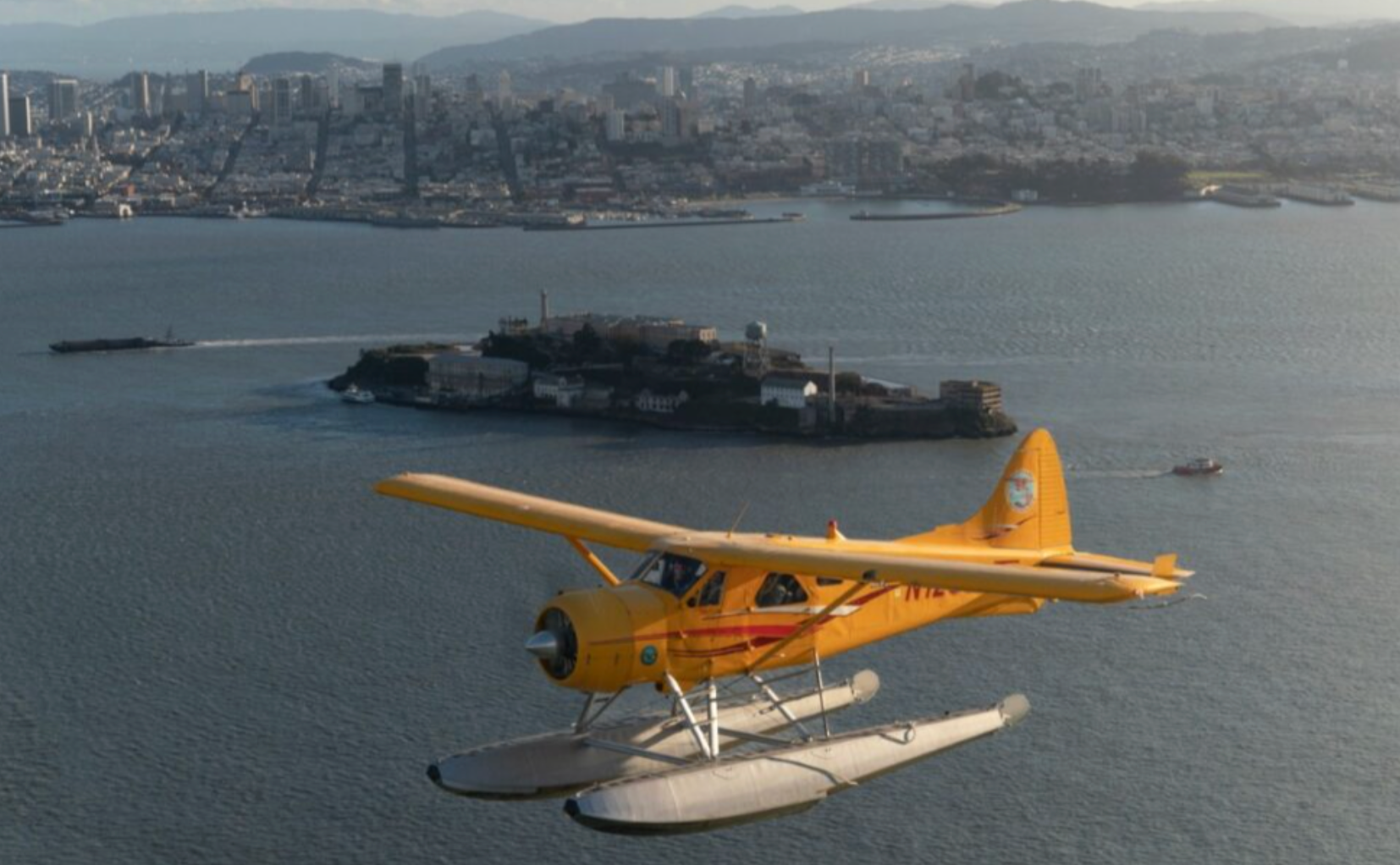
From a modest bluff or a waterfront bench in El Cerrito, the sky becomes a stage: commercial jets arc in from the west, prop planes hum low and precise, and sailplanes and radio-controlled models trace patient lines in thermals. The town itself doesn’t host a major airport, but its position on the East Bay rim places it within easy reach of Oakland and other general aviation fields—making El Cerrito a quietly strategic base for aviation-minded travelers.
There’s a duality to the airplane experience here. On the one hand, it’s observational: you can watch approaches and departures, track aircraft by type, and compose photos framed by bay light and shifting fog. On the other, it’s participatory: nearby airfields offer flightseeing tours, discovery flights, and introductory lessons that let visitors step into the cockpit. That mix makes the activity approachable for diverse travelers—families curious about flight, photographers chasing light across metal, and pilots staging short hops or training sorties.
Weather and geography shape the narrative. The Bay—often rimmed in June gloom—creates a dramatic canvas for flight: low clouds can soften light and compress perspective, while clear autumn days deliver the kind of visibility that reveals mountain ridges and the sprawl of the city. Crosswinds flowing down the Golden Gate corridor produce distinctive approach paths that are both a spectacle for spotters and a technical challenge for aviators. Thermal conditions over urban and open spaces also make El Cerrito and its nearby hills an interesting place to observe sailplane and glider activity when conditions allow.
The region’s aviation history threads through the experience. The Bay Area’s 20th-century aerospace and naval activity shaped nearby shorelines and hangars—so even a short plane-centric day trip becomes a lesson in regional industrial and military heritage. Nearby museums and restored hangars (accessible with a short drive) contextualize what you see overhead: many aircraft types in today’s skies evolved from work done locally decades ago.
Practical access is straightforward. El Cerrito’s compact streets give way quickly to freeway corridors and public transit that connect to municipal airports and waterfront observation points. It’s a good staging spot for a half-day that pairs a morning discovery flight with an afternoon of plane-spotting and waterfront walks. Complementary outdoor activities—hiking the East Bay hills for elevated views, kayaking the bay for a waterline perspective, or biking shoreline paths—round out an airplane-focused itinerary and create multiple angles from which to appreciate flight.
Finally, the experience is eminently customizable. If you want quiet observation, pick a sunrise bench and watch the soft first light glaze fuselages; for drama, aim for late-afternoon approaches stacked against a glowing sky. For hands-on engagement, schedule a discovery flight or an introductory lesson at a nearby general aviation field. Across all options, the combination of easy access, varied vantage points, and Bay Area aviation culture makes El Cerrito an unexpected but satisfying destination for airplane enthusiasts and curious travelers alike.
The town’s value is proximity: short drives connect you to active general aviation airports where flightseeing, pilot training, and aircraft rental are routine; in El Cerrito you get the benefit of quieter streets and multiple nearby observation points without airport congestion.
Air quality and visibility vary through the year. Autumn and late winter often offer the best long-distance views; summer mornings can be foggy but create dramatic low-cloud approaches that are visually compelling for photographers.
Choose by purpose
Whale watching, snorkeling, sunset sailing, cultural canoeing, harbor sightseeing, or private chartering.
Start near the city
Waikiki and Honolulu Harbor are primary hubs, with some trips launching near Hanauma Bay.
Confirm the vessel
Gangways, shaded seating, and boarding requirements vary according to vessel size and operator.