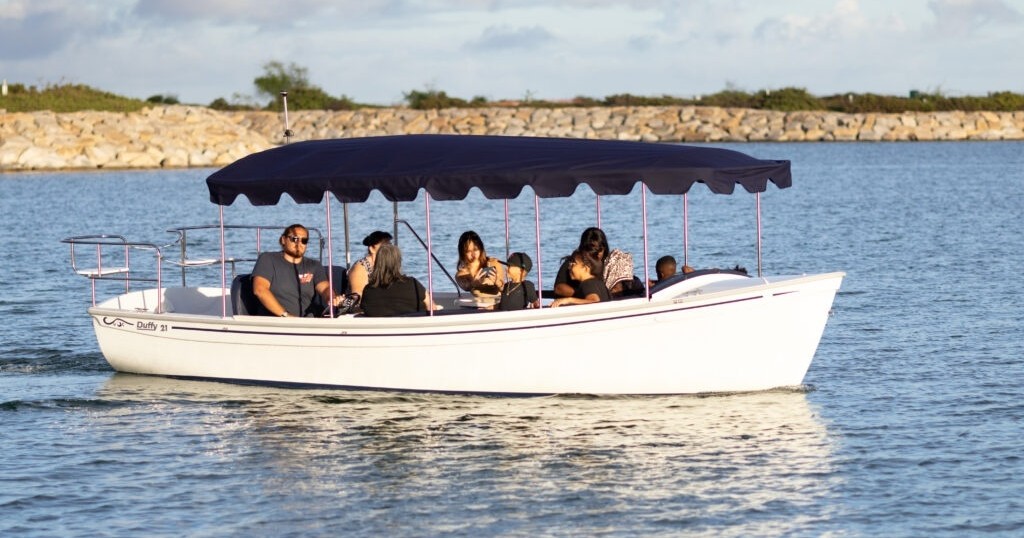
Ewa’s shoreline reads as a compact marine atlas: shallow reef flats that host dense fish life, sandbar shallows that warm under the sun, and a string of rocky points like Kahe that funnel nutrients and attract predators and prey alike. From the deck of a small charter you can watch spinner dolphins weave through bow wakes, kite past hawksbill turtles grazing on algae, or listen for the exhalations of humpback whales in winter months. There’s a cinematic variety to the coast—lava outcrops, lagooned marinas, and plantation-era beaches—that gives each outing a different plotline.
But boat tours out of Ewa are more than spectacle; they are the most direct way to interpret the island’s marine systems and human history. Local captains narrate stories about the leeward reef restorations, ancient canoe routes, and how plantation-era irrigation reshaped the watershed feeding coastal reefs. A short snorkel trip can be framed as both an ocean playground and a living classroom: coral health, invasive algae, and protected marine species are part of the encounter. That mix of thrill and context is why many visitors favor Ewa for half-day trips—you can hit a prime snorkeling site in 20–40 minutes of steady running and be back in time for a late lunch at Ko Olina.
Seasonality is baked into the experience. Winter brings humpbacks into deep waters off the island and more swell on exposed faces, which means whale watches and larger-boat cruise options rise in prominence. Summer’s lighter winds and smaller southern swells make for glassy mornings ideal for snorkeling, paddleboarding off sheltered lagoons, and calm sunset sails. Whatever the season, early departures—when the ocean is flatter and the light is clean—consistently make the best trips. Conversely, afternoon trade winds and passing squalls can roughen the leeward shelf, so captains shift itineraries to protected coves when needed.
Practically, Ewa is accessible but not anonymous: the Ko Olina marina complex and nearby launch points are well equipped, yet visitor services remain concentrated, so logistics like parking, meeting points, and gear rentals should be checked in advance. Conservation rules—no approaching or touching marine mammals, minimum distances for whales, and restrictions on fish handling—are enforced and part of the local charter briefing. For curious travelers, a boat tour from Ewa unlocks both immediate water-time thrills and a layered understanding of Oʻahu’s ocean ecology and coastal culture.
Ewa’s boat scene balances short, family-friendly cruises with technical outings—snorkel charters, sport-fishing trips, and private sails—so you can scale the experience to skill and appetite.
Captains and guides commonly weave in lessons about reef ecology and species protection; responsible operators emphasize reef‑safe sunscreen, no‑touch policies, and low‑impact anchoring.
The harbor is the gateway, and the Pacific becomes the classroom.
Weather windows matter: mornings are typically calmer; winter opens whale-watching opportunities while summer provides clearer water for underwater visibility.
Choose by purpose
Whale watching, snorkeling, sunset sailing, cultural canoeing, harbor sightseeing, or private chartering.
Start near the city
Waikiki and Honolulu Harbor are primary hubs, with some trips launching near Hanauma Bay.
Confirm the vessel
Gangways, shaded seating, and boarding requirements vary according to vessel size and operator.