The first time you push off from a low, muddy ramp into Fausse Pointe’s placid water, the noise of roads and towns fades in layers. Reeds take over the foreground, their slender heads stirring like a directed hush. Light in this region is generous: long afternoons bounce off flat water and find the undersides of cloud like a studio light. Renting a boat here is less about speed and more about access—access to braided channels that thread through cattail hummocks, to marshy shorelines where wading birds gather, and to quiet corners where a solo angler can reason with a cast.
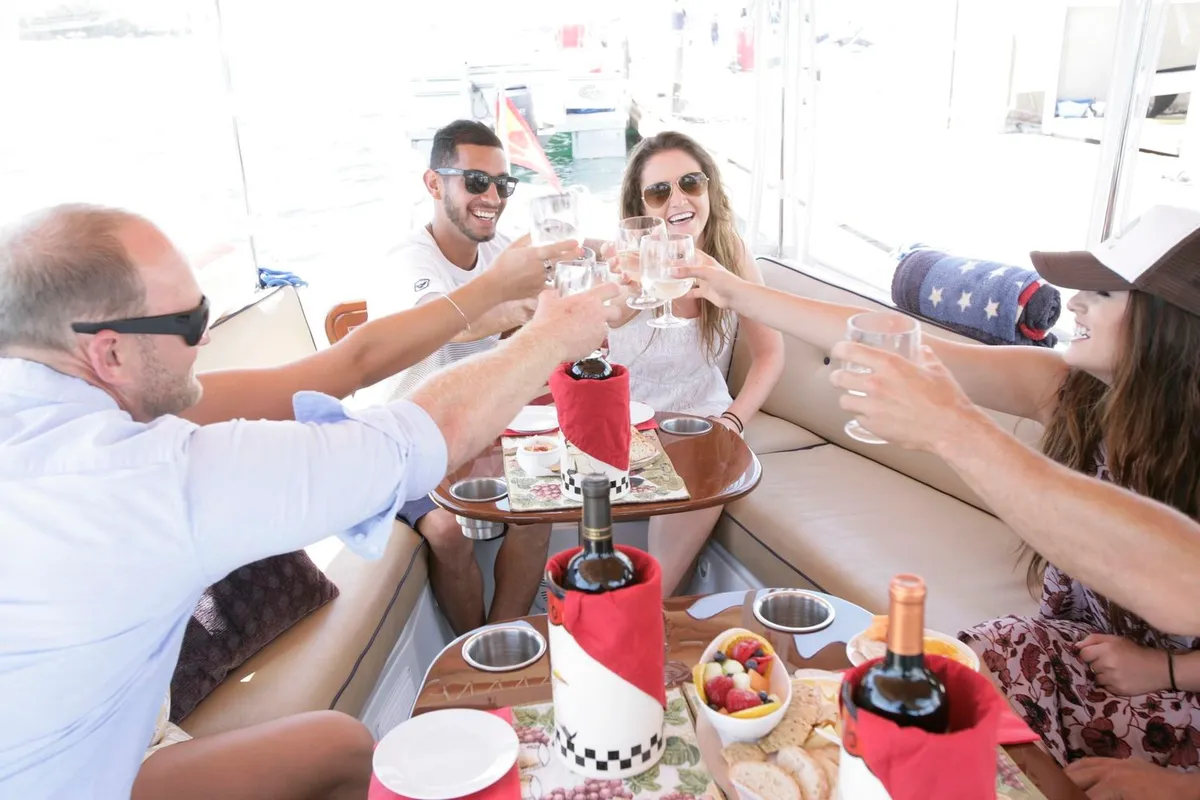
Boat rentals in Fausse Pointe are an invitation to slow travel. Pontoons give families space for picnics and cooler boxes, skiffs and jon boats let anglers stand and sight-cast to shallow flats, and kayaks offer a near-silent approach to nesting herons and turtles sunning on logs. The region’s fine-grained wetland topography rewards patience: a five-minute drift can reveal a new scene—hinged tree limbs draped in Spanish moss, a raft of coots churning the surface, a river otter skittering into the reeds. For photographers and birders, the rental platform is a mobile blind; for anglers, it’s a launch point for targeting bass and panfish in protected coves.
Historical and ecological context matters here. Fausse Pointe sits where river dynamics and human stewardship meet: channels have been remade, levees have been breached, and conservation efforts have reestablished wetland functions that benefit migratory birds and local fisheries. When you rent a boat, you’re not only accessing scenery—you’re crossing a landscape shaped by flood pulses, by seasons of high water and quiet patience. That seasonal pulse governs planning: spring may bring high, sweeping channels that expand access but also increase current; midsummer produces heat, mosquito seasons, and the clearest birding at dawn; fall winds and lower water reveal shallow flats rich with game fish.
Practical planning is straightforward but specific—choose the right craft for your goals, check daily weather and water levels, and confirm what safety gear the rental includes. Local operators can advise on tide-like river flows (or recent rainfall), launch conditions, and the short list of places to avoid when wind chops the open water. Leave no trace is literal here: wetlands are sensitive to wake erosion, so low-wake operation and careful anchoring protect reed banks and nesting sites. In short, boat rentals turn Fausse Pointe into a slowly unfolding story—one best read from low to the waterline, with binoculars at hand and plans flexible enough to chase the light.
Boat types match intentions: pontoons for relaxed social days, jon boats and skiffs for anglers, kayaks and canoes for stealth and wildlife viewing.
Seasonal water levels affect reachability—late-spring high water opens more channels, late summer can reveal hidden sandbars.
The harbor is the gateway, and the Pacific becomes the classroom.
Local outfitters often provide maps and route suggestions; on-water navigation is simple but pay attention to wind and changing currents.
Choose by purpose
Whale watching, snorkeling, sunset sailing, cultural canoeing, harbor sightseeing, or private chartering.
Start near the city
Waikiki and Honolulu Harbor are primary hubs, with some trips launching near Hanauma Bay.
Confirm the vessel
Gangways, shaded seating, and boarding requirements vary according to vessel size and operator.