Why Frankford Township Is a Remarkable Small‑Scale Air Activities Base
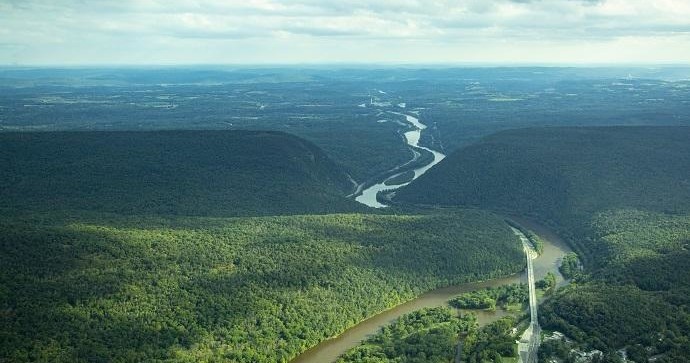
There is a special clarity to flying above Frankford Township: the patchwork of pasture, forest, and ridgeline distills much of northern New Jersey into a compact canvas. From the air, the landscape reads like a study in scale—woodlots cluster against fields, narrow streams cut silver threads, and the long spine of the Kittatinny and surrounding highlands frames weather that pilots learn to read. For aviators and curious travelers alike, this concentrated geographic variety makes the area unusually versatile for air activities. Balloon pilots find launch sites in cleared fields and valley benches where morning calm often settles before thermals break; paragliders and paramotorists use ridge edges and open meadow transitions to practice wing handling and short cross-country hops; ultralight and gyrocopter pilots appreciate the handful of small strips and private airfields where short takeoffs and landings teach precision.
Historically this region sits at a crossroads of agricultural and recreational use—the fields and farm strips that once served local needs now double as launching pads for hobby aviators. The patchwork also means that flights are intimate: you see the details—a pond rimed in fog, a tractor tracing rows, a stone wall that marks a property boundary—rather than the vast, anonymous vistas of high-altitude commercial flights. This intimacy is part convenience and part caution. Pilots and operators work with tight corridors where wind funnels through valleys; conversely, that same funneling can make for dramatic, rewarding launches and soaring conditions on days when thermals form predictably later in the morning.
Practically speaking, Frankford Township is a gateway rather than a destination for high-volume aerial tourism. You’ll find local operators or nearby partners offering tandem experiences, discovery flights, and introductory lessons rather than large-scale commercial hubs. That means bookings are often small-group or bespoke, and weather decisions are conservative: flights are scheduled for dawn or early morning to beat afternoon thermals and to take advantage of stable winds. For adventurous travelers, that conservatism translates into better, calmer flying windows and a more personal operator-client relationship—pilots who know the fields, the landowners, and the rhythms of the ridge. It also means visitors should expect to coordinate logistics—transport to launch points, flexible timing, and clear communication about weight limits, arrival times, and contingencies for weather.
Finally, the cultural texture around Frankford Township rewards patience. A balloon inflation in a farm clearing draws neighbors, photographers, and morning commuters who slow down to watch; a tandem paraglider’s brief silhouette over a ridge invites conversation at the diner afterward. That human-scale feel—friendly, local, distinctly non-industrial—turns a single flight into a story: the physics of lift meet the rhythms of rural life, and the result is an accessible, memorable way to see New Jersey from above.
Early mornings and late afternoons are prime windows—thermals are weakest and visibility is often best.
The region favors small-group operators and private airfields; plan logistics and ride-sharing ahead of time.
The harbor is the gateway, and the Pacific becomes the classroom.
Local topography creates both reliable launch zones and challenging wind funnels—respect pilot briefings and safety calls.
Choose by purpose
Whale watching, snorkeling, sunset sailing, cultural canoeing, harbor sightseeing, or private chartering.
Start near the city
Waikiki and Honolulu Harbor are primary hubs, with some trips launching near Hanauma Bay.
Confirm the vessel
Gangways, shaded seating, and boarding requirements vary according to vessel size and operator.