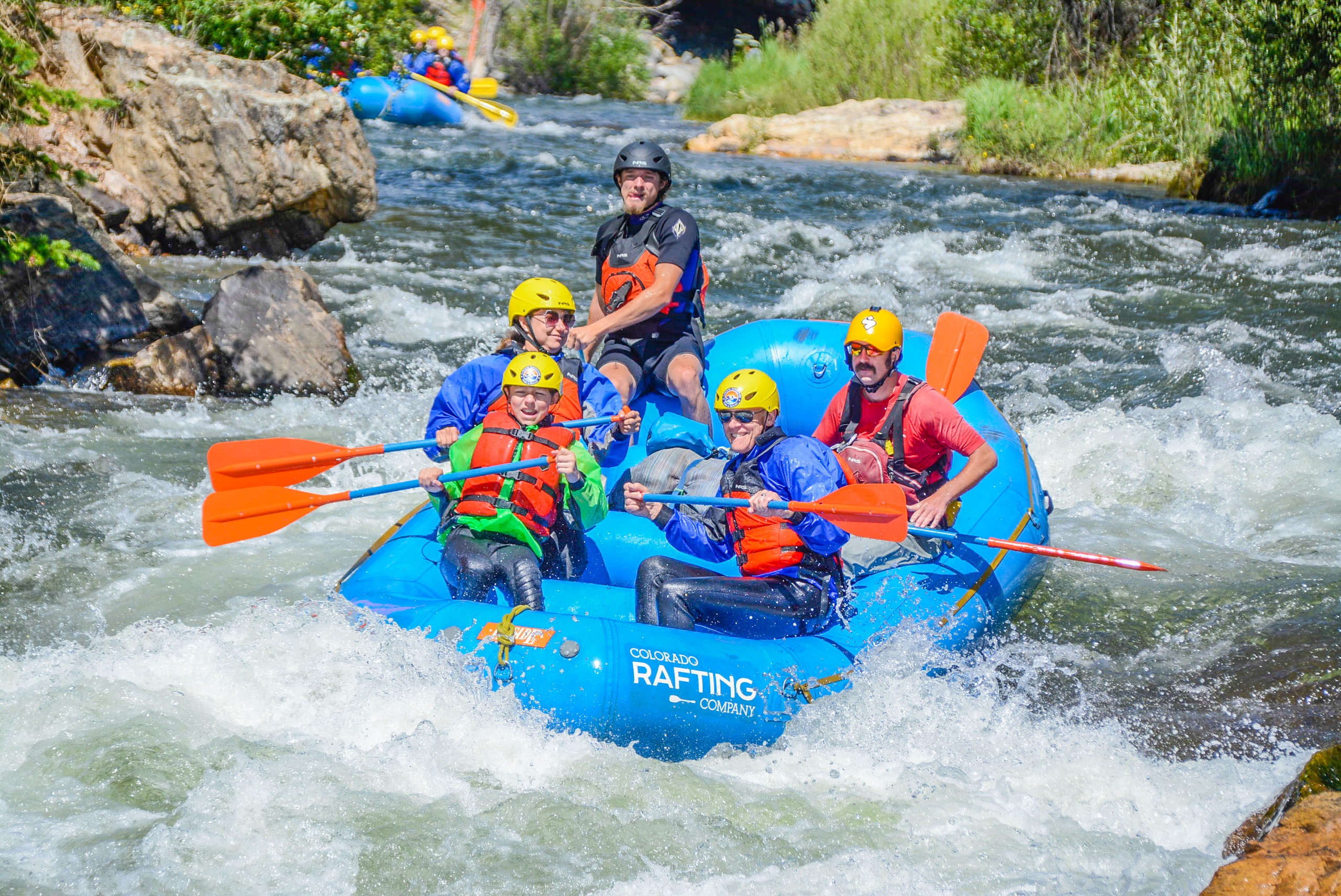
Fraser sits in a high, wide valley where the Colorado River—still young and energetic—has room to alternate between reflective pools and concentrated bursts of whitewater. The town’s elevation and proximity to the river’s upper reaches give its rafting a distinct personality: cooler water temperatures, clear mountain light, and a rhythm that mirrors the seasonal pulse of runoff. In late spring, snowmelt transforms placid stretches into lively currents; by mid-summer flows mellow, making the river approachable for families and mixed-ability groups. Despite its small size, Fraser funnels a surprising variety of rafting experiences into short drives: guided half-day floats for sightseers, technical guided runs through nearby gorges, and multiphase full-day trips that combine calm stretches with a few heart-pounding rapids.
Rafting here is less about marathon wilderness trips and more about accessible, scenic river runs that fit into a day of mountain recreation. The surrounding landscape—spruce and aspen forests, basalt canyon walls, and wide meadowed floodplains—gives paddlers a sense of intimacy with the headwaters. Guides often pause for interpretive moments that connect the river’s flow to local ecology and human history: the river carved trade and travel corridors long before recreation, and today’s commercial trips fold modern safety into that same landscape. For travelers, Fraser’s rafting scene is attractive because it pairs easily with other mountain pursuits: a morning raft trip can be followed by an afternoon gondola ride at Winter Park, a hike in Fraser Experimental Forest, or an evening soak at a nearby hot spring.
Practically, Fraser is an inviting launch point. The town keeps logistics simple—short shuttles, clearly marked meeting points, and a clutch of reputable outfitters that run frequent trips during peak months. That accessibility makes rafting here ideal for mixed groups where comfort, scenery, and a taste of whitewater matter more than multi-day river logistics. Seasonality is the central organizing principle: plan for higher, faster water in May and June when runs feel livelier; expect mellow, warm-water floats in July and August; and accept that fall and winter move the river into a different category entirely, when rafting gives way to snow sports. Whether you want a playful, family-friendly float or a technical half-day guided run that tests timing and reading waves, Fraser crafts a rafting itinerary that feels of-the-moment and unmistakably Colorado.
Short drives from town lead to a range of river sections—some ideal for children and first-timers, others oriented to guided, dynamic runs for paddlers who want a few technical maneuvers without a long commitment.
Local outfitters balance safety and local knowledge: expect thorough briefings, emphasis on paddling technique, and staged progressions that let groups build confidence as the day warms.
The harbor is the gateway, and the Pacific becomes the classroom.
Because the river is fed by high-elevation snowpack, flow rates change rapidly; the best trip for you will depend on both the calendar and the current season’s runoff.
Choose by purpose
Whale watching, snorkeling, sunset sailing, cultural canoeing, harbor sightseeing, or private chartering.
Start near the city
Waikiki and Honolulu Harbor are primary hubs, with some trips launching near Hanauma Bay.
Confirm the vessel
Gangways, shaded seating, and boarding requirements vary according to vessel size and operator.