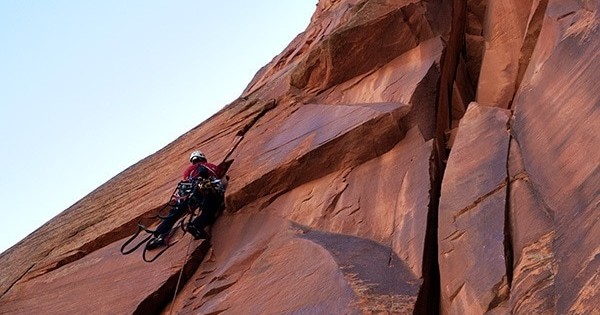
Why Frye Island Is a Standout Climbing Destination
Frye Island’s climbing story isn’t written in long granite spines or alpine faces; it’s quiet, lake-born, and seasonal. The island sits like a shard in Sebago Lake, its shoreline punctuated by low, sculpted ledges and scattered boulders that invite short, focused climbs rather than full-day ascents. For climbers who relish movement that’s compact and playful, Frye Island offers a distinct flavor: approach by foot or by boat, climb a few scores of feet above the lake surface, then cool off with a jump, a swim, or a paddle home. The physical scale here encourages technical finesse, balance, and creativity—short slabs, crimpy edges, and friction moves are common, and the lake below softens the mental calculus of exposure.
The island setting also shapes the rhythm of any climbing trip. Frye Island is primarily a seasonal community, so climbing is often tied to the ferry schedule and summer patterns of visitation. Early and late season trips—May/June and September/October—bring the clean, cool friction climbers prize, while midsummer offers balmy water temps for a post-send dip but also increased human presence. The soundscape of climbing here includes loons and wind across spruce, a quieter soundtrack than coastal crags with their surf and seagulls. Because climbs are often shoreline features with limited developed anchors, many visitors treat Frye Island climbs as bouldering or top-rope opportunities; climbers who want more technical routes typically combine an island session with a drive to nearby mainland crags in the greater Sebago and southern Maine region.
Beyond the pure movement, Frye Island climbing is appealing for the way it pairs adventure with low-commitment logistics. It’s an excellent place to introduce friends to single-pitch climbing, to practice skills like setting clean anchors and reading slab friction, or to experiment with multipitch planning in micro-scale. The environmental context matters: island vegetation, nesting birds, and steep shorelines are fragile. Local etiquette leans heavily on low-impact methods—walk gently through understory, avoid chipping or bolting on soft rock, and leave anchors as you find them unless you have a clear, ethical replacement plan. Access is often a question of season and community rules; respectful, small-group climbing sessions keep friction with residents low and preserve natural features for future visits.
Climbing on Frye Island is not a destination for big-wall hunters or for those seeking long approach trails: it’s a summertime, sometimes-surfaced, delightfully small-scale experience. That limitation is also its charm. Each climb feels like a vignette—a 20-foot slab that becomes the day’s focal point, a hidden boulder tucked beneath pines, or a boat-access block that glitters in late-afternoon light. For travelers who pair climbing with paddling, swimming, fishing, or lakeside camping on the mainland, Frye Island becomes a hinge between water and rock, an approachable place to practice technique and to savor the texture of Maine’s inland granite in an intimate setting.
Frye Island’s climbs are best understood as short, technical moves on lake-polished rock rather than long sustained routes. Expect slabby friction, low-angle roofs near the waterline, and classic bouldering problems tucked into the shore’s creases.
Many parties combine climbing with other activities: paddle from the mainland to climb a secluded block, time an afternoon session to finish with a sunset swim, or pair a short top-rope workout with nearby hiking and fishing on Sebago Lake.
Choose by purpose
Whale watching, snorkeling, sunset sailing, cultural canoeing, harbor sightseeing, or private chartering.
Start near the city
Waikiki and Honolulu Harbor are primary hubs, with some trips launching near Hanauma Bay.
Confirm the vessel
Gangways, shaded seating, and boarding requirements vary according to vessel size and operator.