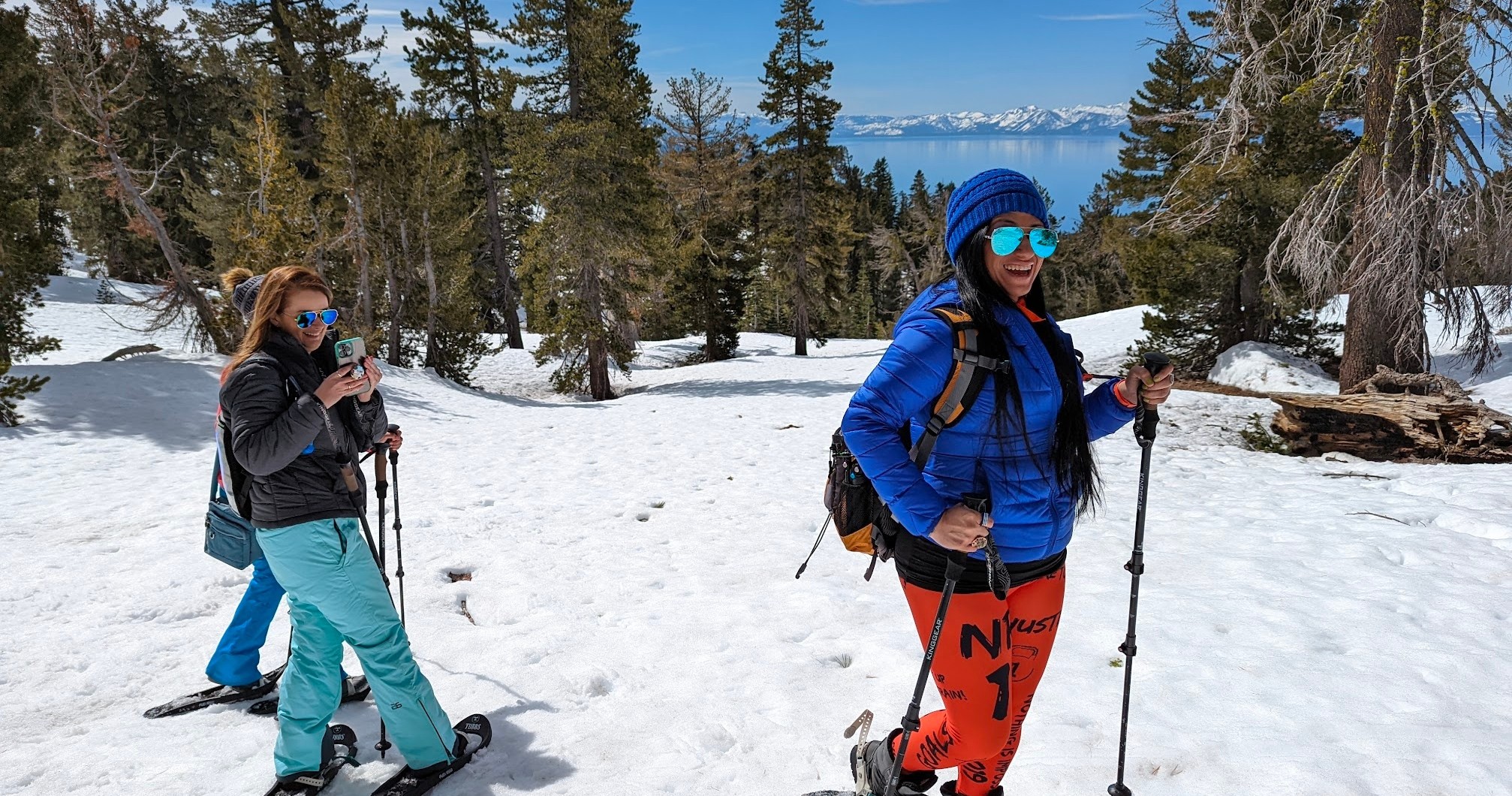
There is a particular generosity to walking around Glenbrook: distances compress, details sharpen, and Lake Tahoe’s verticality—the drop from ridge to shoreline—feels intimate rather than overwhelming. On foot you notice the same things that make the place magnetic at a distance—glass-blue water, scattered granite, the silhouette of the Sierra across the basin—but you also encounter the quieter textures: the way the wind whistles across a narrow cove, the resin scent of Jeffrey pine after a warm afternoon, and old timbers that speak to the town’s 19th-century role supplying lumber to nearby mining camps. A walking tour here is both a study in landscape and a soft narrative of human presence at the lake’s edge.
Walks in Glenbrook span a modest spectrum: there are brief, flat lakeside promenades suitable for families and casual photographers; interpretive village loops that fold in historic buildings and shoreline piers; and briefer natural-history jaunts that climb to ledges offering angled views of the water and the Sierra crest. Because the routes are short compared with backcountry treks elsewhere around Tahoe, they reward repeated visits—different weather, different light, different vantage. Morning walks are sharp and cool, with the water glassy and the high ridgelines crisp; late-afternoon light gilds the granite and concentrates color in the shallows; and in shoulder seasons, the entire scene can read like a private study of seasonality—melting snowlines, migrating waterfowl, and spring wildflowers in sheltered pockets.
Cultural context matters here. Glenbrook’s shoreline and nearby features are on the ancestral lands of the Washoe people; certain formations have cultural and spiritual significance. A mindful walking tour respects those histories while also drawing attention to the town’s 19th-century imprint: remnants of piers, logging-era artifacts, and interpretive markers that explain how this littoral community was once a working harbor for timber and freight. That historical axis pairs naturally with ecological observation—shoreline erosion patterns, nearshore aquatic habitat, and the subtle differences between exposed granite beaches and small, vegetated coves.
Practically, Glenbrook’s walking season peaks in the warmer months, but lower-elevation, lakeside circuits are among the first to open in spring and the last to close in fall. Accessibility varies by path: many walks are low-gradient and well-suited to casual hikers, strollers, and people who prefer a steady, leisurely pace; a few routes include rocky steps and uneven ground where sturdy footwear and focused attention pay off. Whether you’re after leisurely discovery or a short, intense dose of alpine lakeside atmosphere, Glenbrook’s walking tours are built for savoring the small, local things that make Tahoe feel both wild and lived-in.
The concentration of accessible shoreline makes Glenbrook a great base for short walking circuits that still feel remote—many routes never climb far from water, so you spend most of your time close to the lake with big views and minimal vertical strain.
Walking here mixes natural history with human stories: interpretive signs, historic remnants, and local architecture offer context for the landscape’s transformation from indigenous stewardship to logging hub to present-day conservation-minded community.
The harbor is the gateway, and the Pacific becomes the classroom.
Because routes are compact, they’re ideal for combining with complementary activities: an early-morning birdwatching loop followed by an afternoon paddle on calm water, or a sunset stroll paired with nearby road- or gravel-biking on the East Shore.
Choose by purpose
Whale watching, snorkeling, sunset sailing, cultural canoeing, harbor sightseeing, or private chartering.
Start near the city
Waikiki and Honolulu Harbor are primary hubs, with some trips launching near Hanauma Bay.
Confirm the vessel
Gangways, shaded seating, and boarding requirements vary according to vessel size and operator.