Sailing in Great Kills, New York
Great Kills Sailing Guide

Sailing in Great Kills, New York

Nestled on Staten Island's south shore, Great Kills is a practical, surprisingly varied base for day sailing and short coastal cruises in the Lower New York Bay. Its sheltered harbor, quick access to open water, and proximity to the shipping channels and Sandy Hook make it ideal for learners practicing basic seamanship, families taking a coastal afternoon sail, and experienced crews launching passages into New York Harbor and beyond.

Great Kills HarborLower New York BayStaten Island Waterfront

Live destination inventory

Top Sailing Trips in Great Kills

91 trips · Book with confidence · Instant confirmation

The prototype intentionally does not invent replacement trip cards or add images that are not already part of the live source page.

The city from the water

Why Great Kills Is a Standout Sailing Destination

Great Kills sits at an intersection of shelter and possibility. On calm days the harbor acts like a classroom—steady wind, forgiving chop, and visible shorelines simplify learning points like sail trim, tacking, and close-quarters boat handling. Point the bow out of the harbor and the scene changes: Lower New York Bay opens to a mosaic of currents, shipping traffic, and weather windows, where local knowledge and timing make the difference between a relaxed afternoon and a lesson in heavy-traffic navigation. This is a place defined by contrasts. The same radius that protects tender learners against open-ocean swells also delivers quick access to long reaches of sky and water. Sailors here regularly stitch together short coastal hops to Sandy Hook and the Jersey coastline, practice coastal navigation among buoyed channels, or use Great Kills as a staging point for night sails toward New York Harbor. Beyond technique, the locale offers layered rewards: a working maritime backdrop with freighters and tugs, wintering and migratory birds along the dunes, and neighborhood seafood joints to round the day. The experience is less about remote blue-water escape and more about practical seamanship—learning to move a boat confidently in mixed conditions while staying close to urban services. Environmentally, Great Kills is part of an estuarine system governed by tides and currents. Weather and tide timing matter here: spring and fall often deliver the cleanest winds and comfortable sea states, while summer brings steady afternoon breezes and increased recreational traffic. For travelers, Great Kills is appealing because it compresses the decisions and trade-offs of coastal sailing into manageable outings—short passages, on-water lessons, day charters, and boat rentals—yet it still requires respect for commercial lanes and changing conditions. Whether you’re checking your first coastal navigation fixes or hunting a weekend reach beneath a wide sky, Great Kills is a functional, friendly, and dynamic place to sail.

Sheltered harbor conditions make it a good training ground for beginners and for practicing fundamental boat handling.

Quick access to Lower New York Bay opens options for longer coastal sails, short overnight trips, and visits to nearby beaches and anchorages.

The harbor is the gateway, and the Pacific becomes the classroom.

The area offers a mix of urban maritime context—commercial traffic, ferry routes, and lighthouses—so situational awareness is essential.

Complementary activities include fishing, paddleboarding, wildlife watching, and exploring Staten Island’s shoreline parks.

Activity focus

Choose by purpose

Whale watching, snorkeling, sunset sailing, cultural canoeing, harbor sightseeing, or private chartering.

Departure hubs

Start near the city

Waikiki and Honolulu Harbor are primary hubs, with some trips launching near Hanauma Bay.

Accessibility

Confirm the vessel

Gangways, shaded seating, and boarding requirements vary according to vessel size and operator.
Seasonal planning

Best Time to Visit

Great Kills is warm year-round, but wind, swell, migration, visibility, and demand change the best match between traveler and trip.

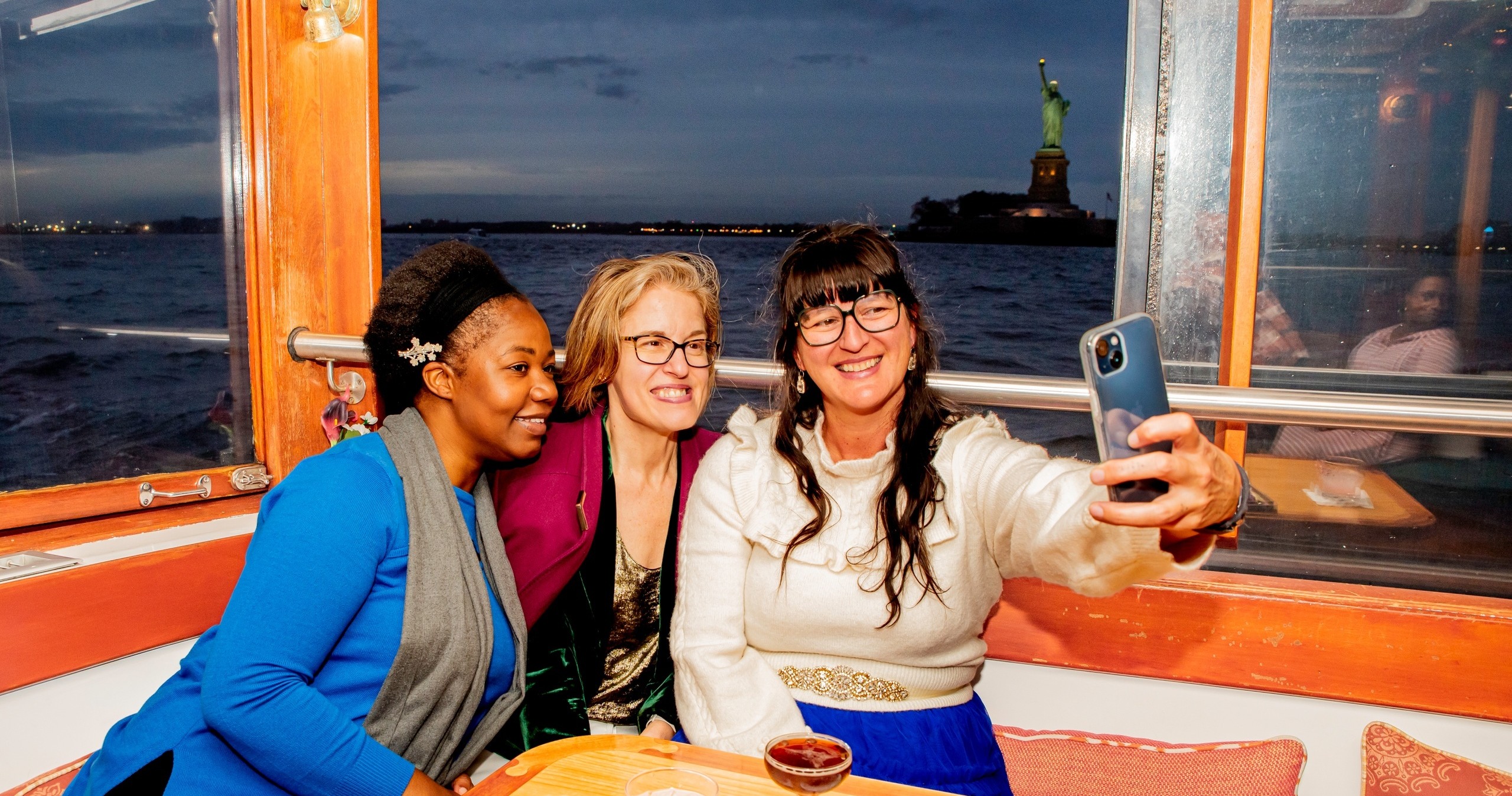
Great Kills boat tour
Year-round destination

Seasonal highlights change the reason to go

Winter favors humpback encounters; warmer, calmer months favor snorkeling visibility and smoother water.

Humpback season

Summer weekends (June–August) see the highest recreational boat traffic and busy marinas.

Prime whale watching, winter holidays, higher demand, and earlier sell-outs.

Snorkeling window

May–June–July–August–September–October

Typically gentler seas and clearer water for snorkeling trips.

Weather notes

Trade winds year-round

Late spring through early fall provides the most reliable temperatures and comfortable wind patterns. Summer afternoons typically bring onshore breezes; be aware that short, sharp thunderstorms are possible on warm days. Outside the core season, conditions can be cold, choppy, and less predictable.

Quieter opportunities

Late spring & summer weekdays

Shoulder seasons (late spring and early fall) offer steadier winds, thinner crowds, and crisp sailing days—ideal for skill-building and day cruises. Winter is only for experienced, properly equipped crews.

Match the trip to your comfort

Choose Your Experience Level

Low effort

Beginner

Short sheltered-harbor sails, basic points-of-sail practice, first on-water lessons, and supervised dinghy sessions in protected coves.

  • Introductory on-water lesson focusing on sail trim and tacking
  • Half-day harbor cruise with an instructor or licensed skipper
  • Family-friendly short sail around Great Kills Harbor
Active day trip

Intermediate

Day sails into Lower New York Bay, coastal navigation practice, basic night-sailing introductions, and short passagemaking to nearby anchorages or beaches.

  • Day sail to Sandy Hook (weather and currents permitting) with coastal navigation practice
  • Crewed charter for hands-on seamanship in mixed conditions
  • Evening sails timed for sunset and skyline views
Longer or technical

Advanced

Passages that cross busy traffic separation schemes, offshore legs into New York Harbor, multi-day coastal cruising, and advanced night or heavy-weather sailing requiring strong navigation and watch systems.

  • Passage planning and execution into New York Harbor with traffic separation awareness
  • Overnight coastal cruise to nearby ports with anchoring and berthing skills
  • Advanced coastal navigation and pilotage workshops

Prepare for sun, spray, and swell

What to Bring

Essential

Core kit

  • USCG-approved life jacket for each person (required on most charters and recommended for all outings)
  • Waterproof wind layer and sun protection (hat, sunglasses with retainer, sunscreen)
  • Non-slip deck shoes or closed sports shoes
  • Water and snacks—more than you think you'll need for longer sails
  • Phone in waterproof case and a handheld VHF radio if available
Recommended

Useful extras

  • Light foul-weather jacket for sudden showers or evening cool-downs
  • Navigation tools: paper chart of Lower New York Bay and a charged GPS device or app
  • Hat with strap and polarized sunglasses for glare reduction
  • Small dry bag for keys, wallet, and electronics
Optional

Trip-specific

  • Layers for cooler mornings or evening returns
  • Compact binoculars for watching wildlife and monitoring traffic
  • Motion-sickness remedies if you are prone to seasickness
  • Camera with secure strap for harbor and skyline photos
Review tide and current tables, check VHF and weather forecasts, and observe commercial traffic patterns before any departure.

Insider Tips & Local Knowledge

Reserve whale-watching and popular sunset cruises well ahead during December–April.
Choose morning snorkeling departures for calmer seas and better underwater visibility.
For motion sensitivity, choose a larger vessel, sit mid-ship, and take preventative medication before boarding.
Do not touch coral or wildlife, avoid standing on reefs, and use reef-safe sunscreen.
Community-based operators may add context about traditional navigation and stewardship.
Arrive early for parking and check-in because Waikiki departure areas can be busy.

Planning questions

Frequently Asked Questions

Most recreational sailing does not require a special permit, but marina slips, dockage, and public launch facilities often require reservations or fees. Anchoring rules vary by location—check local regulations and respect posted no-anchor zones, especially near commercial channels.
Sailing in Great Kills, New York
Ready for your sailing adventure?

Browse 91 verified trips in Great Kills.

Compare current availability and book with instant confirmation.

Explore Great Kills sailing