Why Hāna Is a Standout Spot for Photography Tours
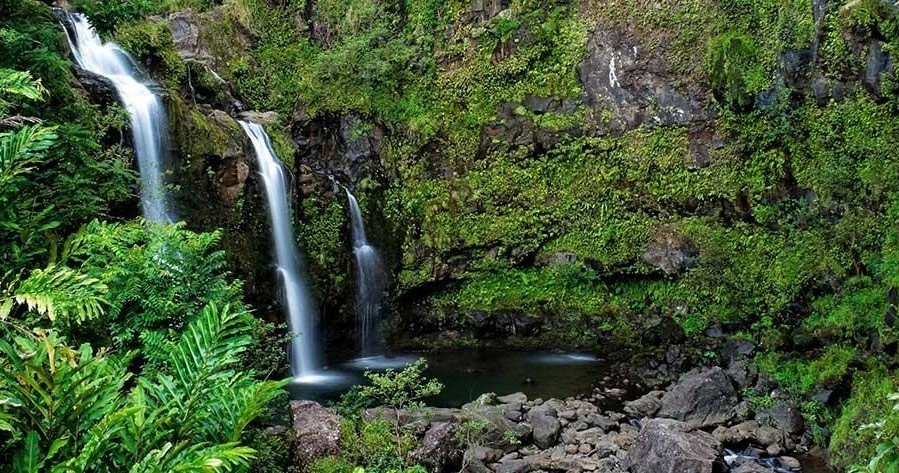
Hāna compresses a hundred photographic moods into a relatively small stretch of coastline and valley: the saturated green of a wet rainforest, the glassy sheen of freshwater pools, the obsidian texture of black sand, and the weathered drama of cliffbound surf. Photographers are drawn not only to specific signature places — Waianapanapa’s basalt sea arch, the bamboo stands at Puaʻa Kaʻa, the cascades that tumble along the valley — but to the interplay between light and moisture that defines the place. Morning and late-afternoon light slice through dense canopies in golden beams and rim the island’s clouds in a way that demands a slow, attentive approach. That slowness is part of the experience: the Road to Hāna itself is a photographic subject, a ribbon of asphalt punctuated by one-lane bridges and intimate roadside vignettes — taro patches, roadside fruit stands, and weather-beaten churches — that reward those who move deliberately.
A photography tour in Hāna is as much about composition as it is about context. The terrain invites wide panoramic frames of ocean and valley, telephoto compression for distant surf and seabirds, and intimate macro work on fern fronds, rain beads, and local flowers. Cultural sensitivity is woven into the practice here; many of the landscapes photographed are part of living communities and sacred sites. Responsible guides will brief you on where to step, when to shoot, and when to put the camera away to respect private property and wahi kapu (sacred places). The best tours balance instruction and exploration: they teach technical skills applicable in high-humidity coastal rainforests — dealing with mist, fast-changing exposures, lens care — while opening access to lesser-known viewpoints that are safer and more respectful than simply parking and wandering.
Seasonality matters. The winter months can throw dramatic swell against lava cliffs, creating explosive surf shots but also hazardous conditions on shoreline rocks. The wet season brings fuller waterfalls, iridescent rainbows, and saturated foliage but also muddy trails and increased mosquito presence, so planning and equipment choices change with the calendar. A well-run photography tour in Hāna will time sunrise shoots to catch the first clear light over Hāna Bay, lead golden-hour sessions at basalt coves, and offer mid-day composition clinics in the bamboo forest or at coastal arches. For travelers seeking a creative, contemplative approach to landscape photography, Hāna offers a rare combination of dynamic weather, layered terrain, and a tight-knit local culture that rewards patience and respect.
The Road to Hāna is part of the experience: slow driving, frequent pullouts, and an intimacy with roadside scenes make the journey itself a mobile photography workshop.
Local guides often couple photography instruction with cultural context—learning a place’s stories improves photographic framing and fosters respectful visitation.
Choose by purpose
Whale watching, snorkeling, sunset sailing, cultural canoeing, harbor sightseeing, or private chartering.
Start near the city
Waikiki and Honolulu Harbor are primary hubs, with some trips launching near Hanauma Bay.
Confirm the vessel
Gangways, shaded seating, and boarding requirements vary according to vessel size and operator.