Eco Tours in Holiday, Florida — Mangroves, Birds & Coastal Conservation
Holiday Eco Tour Guide

Eco Tours in Holiday, Florida — Mangroves, Birds & Coastal Conservation

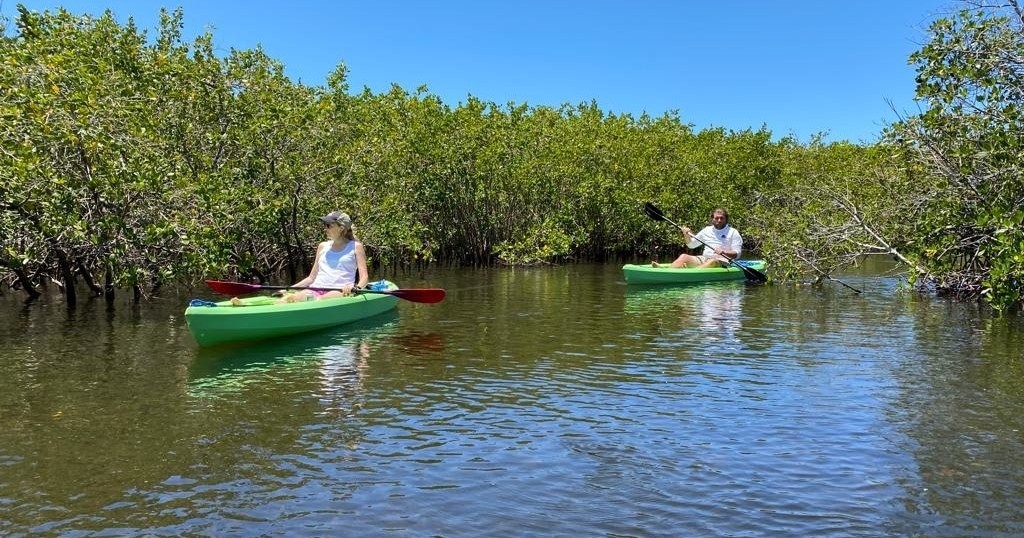
Holiday’s shoreline is quiet by design: low-slung saltmarshes, fractured mangrove fringes, and a scattering of barrier islands that feel like secrets kept close to the Gulf. For travelers who come for eco tours, Holiday is a compact gateway to coastal ecology—where short boat rides drop you into seagrass flats thick with life, paddle routes thread through mangrove tunnels, and birding stops yield long-billed herons, skimmers, and winter migrants. Local outfitters and small-group operators run approximately 23 guided experiences here—everything from half-day kayak trips and bird-focused boat tours to snorkeling around seagrass beds and island nature walks on Anclote Key. These are low-impact, observation-focused outings that pair natural history, conservation context, and practical stewardship advice. The landscape itself feels plainspoken: salt-tolerant plants, sun-bleached shells, and broad skies that make the water change color by the minute. But underneath that simplicity is an ecological richness that rewards slow attention—tiny fiddler crabs that churn the mud, schools of juvenile fish in shallow flats, and the subtle choreography of shorebirds feeding along a receding tide. Eco tours here are as much about place-based education as they are about spectacle: guides point out the role of seagrass in supporting fisheries, explain how mangroves lock away carbon, and describe the local conservation efforts aimed at protecting nesting beaches and improving water quality. Practical advantages matter too. Many tours launch from sheltered inlets, so even brief outings are accessible to families and newer paddlers. Timing is everything: winter and spring bring migratory birds and milder weather, while summer opens the door to sea turtle nesting and warm-water snorkeling. The area’s human story—fishermen, small marinas, and nearby Tarpon Springs’ sponge-harvesting heritage—frames the natural narrative, reminding visitors that coastal ecosystems are lived-in places where culture and conservation overlap. Whether you’re on a quiet dawn paddle listening for kingfishers or hiking the dunes of a protected key, the best eco tours in Holiday prioritize observation, respect, and a clear sense of how everyday choices onshore ripple into Gulf waters.

Anclote Key Preserve State ParkAnclote River & Nature ParkGulf Coast saltmarshes

Live destination inventory

Top Eco Tour Trips in Holiday

23 trips · Book with confidence · Instant confirmation

The prototype intentionally does not invent replacement trip cards or add images that are not already part of the live source page.

The city from the water

Why Holiday, Florida Is a Special Place for Eco Tours

Holiday occupies a modest stretch of Florida’s Gulf Coast but what it lacks in size it makes up for in concentrated coastal variety. Eco tours here are offered at the meeting points of sea and estuary—where freshwater creeks dilute into brackish bays, where mangrove roots knit a living shoreline, and where offshore keys host dune and seagrass communities that are essential habitat for myriad species. A single morning can contain multiple ecosystems: a kayak down a tidal creek past red and black mangroves, a short boat hop to a sand-rimmed key for a guided nature walk, and an afternoon snorkel over shallow seagrass beds. Each stops offers different stories: mangroves as nursery grounds, seagrass as underwater meadows that support juvenile fish and crustaceans, and dunes as nesting habitat for shorebirds and, in season, sea turtles. Local eco tours emphasize hands-off observation and context. Guides are storytellers as much as navigators—pointing out how seasonal freshwater flows affect salinity and species distribution, how human shoreline modification changes sediment patterns, and what local conservation groups are doing to monitor water quality and protect nesting beaches. That educational framing sets Holiday apart from purely recreational coastal towns. It’s also an area where accessibility and intimacy are real assets: small boats and kayaks keep groups compact, launch points are often within a short drive of neighborhoods, and tours are designed to suit a range of abilities and interests. For photographers, the wide skies and shifting light make for clean, dynamic images; for families, the shallow flats are forgiving for first-time paddlers; and for field-minded travelers, opportunities to join citizen-science counts or volunteer shoreline cleanups turn a visit into a direct contribution. Environmental realities are part of the story here, too. Holiday's coastal ecosystems face pressures common to the region—development pressure, water-quality challenges, and episodic algal events in the Gulf—but those challenges have also prompted active stewardship. Conservation partners, state-managed preserves, and community organizations all play roles in monitoring, restoration, and public education. Visitors on eco tours frequently hear about ongoing projects: seagrass restoration, beach-nesting bird protection, and outreach aimed at reducing single-use plastics. That blend of natural richness and active care makes Holiday a practical destination for travelers who want to learn while they look. The result is an eco-tour experience that feels curated and conscientious—built on respect for wildlife, seasons, and the local people who work to keep these coastal systems functioning.

Holiday is ecologically compact: mangroves, salt marshes, seagrass flats, and offshore keys are all reachable within short drives or quick boat hops.

Local guides focus on education and low-impact observation, making tours suitable for families, photographers, and first-time paddlers.

The harbor is the gateway, and the Pacific becomes the classroom.

The region’s cultural ties to fishing and small-scale maritime industries provide historical context for conservation conversations.

Conservation efforts—beach protection, seagrass monitoring, and shoreline restoration—are active and often visible to visitors.

Activity focus

Choose by purpose

Whale watching, snorkeling, sunset sailing, cultural canoeing, harbor sightseeing, or private chartering.

Departure hubs

Start near the city

Waikiki and Honolulu Harbor are primary hubs, with some trips launching near Hanauma Bay.

Accessibility

Confirm the vessel

Gangways, shaded seating, and boarding requirements vary according to vessel size and operator.

Seasonal planning

Best Time to Visit

Holiday is warm year-round, but wind, swell, migration, visibility, and demand change the best match between traveler and trip.

Holiday boat tour
Year-round destination

Seasonal highlights change the reason to go

Winter favors humpback encounters; warmer, calmer months favor snorkeling visibility and smoother water.

Humpback season

Winter–spring (migratory birds and mild temperatures) draws the most visitors and fills small-group tours quickly.

Prime whale watching, winter holidays, higher demand, and earlier sell-outs.

Snorkeling window

December–January–February–March–April–May

Typically gentler seas and clearer water for snorkeling trips.

Weather notes

Trade winds year-round

Winters and springs are cooler and drier—excellent for birding and calm-water paddles. Summers are hot and humid with frequent afternoon thunderstorms; summer is also sea turtle nesting season on nearby keys. Hurricane season runs from June to November and can affect tour schedules.

Quieter opportunities

Late spring & summer weekdays

Summer offers warm-water snorkeling and turtle-nesting observations (from a respectful distance) and often lower rates, but expect heat, mosquitoes, and more variable water conditions.

Match the trip to your comfort

Choose Your Experience Level

Low effort

Beginner

Short, guided boat tours or gentle kayak trips designed for first-timers, families, and casual nature observers.

  • Mangrove boat tour with shore stop
  • Shallow-water wildlife cruise at golden hour
  • Short guided beach walk on a nearby key
Active day trip

Intermediate

Half-day kayak trips, guided snorkeling over seagrass beds, and birding-focused tours that require basic paddling skills or moderate mobility.

  • Paddle through tidal creeks and estuaries
  • Snorkel tour over seagrass flats with interpretive guide
  • Full-morning birding boat trip covering multiple habitats
Longer or technical

Advanced

Self-supported kayak routes, multi-stop island expeditions, or volunteer-driven citizen-science projects that demand navigation skills and stamina.

  • Multi-stop kayak circumnavigation of a barrier key
  • Citizen-science field survey with local conservation group
  • Extended snorkel or freediving trips arranged through specialty operators

Prepare for sun, spray, and swell

What to Bring

Essential

Core kit

  • Reusable water bottle and snacks
  • Sun protection (hat, UV shirt, reef-safe sunscreen)
  • Light, quick-dry clothing and a wind/rain shell
  • Waterproof bag for phone/keys
  • Binoculars for birding and distant marine life
Recommended

Useful extras

  • Water shoes or sandals with traction
  • Light gloves for paddling (if kayaking)
  • Insect repellent for shoreline walks
  • Small first-aid kit and blister care
  • Camera with zoom or a telephoto lens for wildlife shots
Optional

Trip-specific

  • Field guide for birds or coastal plants
  • Tide chart or app to time low-tide flats
  • Dry bag for longer boat trips
  • Polarized sunglasses for spotting fish and seagrass
Book small-group tours in advance during winter and spring. Always follow guide safety briefings and local wildlife distancing rules.

Insider Tips & Local Knowledge

Reserve whale-watching and popular sunset cruises well ahead during December–April.
Choose morning snorkeling departures for calmer seas and better underwater visibility.
For motion sensitivity, choose a larger vessel, sit mid-ship, and take preventative medication before boarding.
Do not touch coral or wildlife, avoid standing on reefs, and use reef-safe sunscreen.
Community-based operators may add context about traditional navigation and stewardship.
Arrive early for parking and check-in because Waikiki departure areas can be busy.

Planning questions

Frequently Asked Questions

Most commercial eco tours operate under the guide or operator’s permits; visitors typically just need to book a tour spot in advance. For independent activities (e.g., camping on protected keys) check state park regulations and permit requirements.
Eco Tours in Holiday, Florida — Mangroves, Birds & Coastal Conservation
Ready for your eco tour adventure?

Browse 23 verified trips in Holiday.

Compare current availability and book with instant confirmation.

Explore Holiday eco tour