Eco Tours in Holly Ridge, North Carolina
Holly Ridge Eco Tour Guide

Eco Tours in Holly Ridge, North Carolina

Holly Ridge sits at the hinge between mainland marsh and barrier island—an understated entry point for low-country ecology and saltwater rhythms. Eco tours here are less about summit views and more about tides, bird calls, and the slow geometry of marsh grass. Expect short boat trips, guided kayak paddles through tidal creeks, birding walks across maritime forest edges, and seasonal conservation projects that put you where the work is happening.

Marshes & EstuariesBarrier IslandsIntracoastal Waterway

Live destination inventory

Top Eco Tour Trips in Holly Ridge

7 trips · Book with confidence · Instant confirmation

The prototype intentionally does not invent replacement trip cards or add images that are not already part of the live source page.

The city from the water

Why Holly Ridge Is a Smart Base for Eco Tours

Holly Ridge’s quiet roads and nearby waterways make it a practical, unpretentious gateway into coastal North Carolina’s living systems. Here the landscape reads as a layered manuscript: tidal channels carve patterns through saltmarsh, marsh wrens and black rails voice the margins, and barrier islands off the coast catch storms and nesting sea turtles in the summer months. The ecology is dynamic—salt and freshwater mix in the estuary, winds shape dune-forests, and seasonal migrations rewrite the sky every spring and fall. Because Holly Ridge sits a short drive from Topsail Island and the Intracoastal Waterway, eco tours based here can be intimate and specialized. Operators lean on small groups and local knowledge: an afternoon kayak tour will teach you to read a tide table as much as it will put you beside a resting heron. Boat-based estuary trips reveal the hidden infrastructure of the coast—oyster reefs, submerged grasses, and the channel mouths that sustain flounder and shrimp. And during nesting season, conservation outings and volunteer patrols turn visitors into temporary stewards, pairing field briefing with hands-on activity. The town itself is low-key, which is part of the appeal. You won’t find rowdy beachfront commercialism here; instead the rhythms are set by tides, weather windows, and the working watermen who’ve navigated these channels for generations. For travelers who want context alongside observation, eco tours in and around Holly Ridge deliver both: natural history, practical boat and paddle skills, and clear, local conservation priorities. Whether you come for birding, kayaking, or a guided turtle walk, expect guides to frame each sighting within the bigger environmental picture—how development, storms, and climate trends shift habitats—and how visitors can minimize impact while maximizing learning.

Small-group operators focus on immersive, low-impact experiences—kayak marsh paddles, estuary boat tours, birding walks, and seasonal conservation outings are the common offerings.

Tours are highly tide- and weather-dependent. Many of the best wildlife moments happen at low or falling tide and during calm, early-morning conditions.

Activity focus

Choose by purpose

Whale watching, snorkeling, sunset sailing, cultural canoeing, harbor sightseeing, or private chartering.

Departure hubs

Start near the city

Waikiki and Honolulu Harbor are primary hubs, with some trips launching near Hanauma Bay.

Accessibility

Confirm the vessel

Gangways, shaded seating, and boarding requirements vary according to vessel size and operator.
Seasonal planning

Best Time to Visit

Holly Ridge is warm year-round, but wind, swell, migration, visibility, and demand change the best match between traveler and trip.

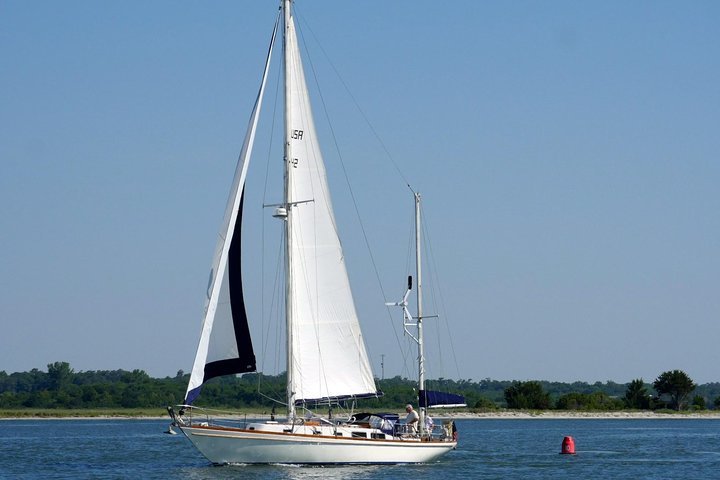
Holly Ridge boat tour
Year-round destination

Seasonal highlights change the reason to go

Winter favors humpback encounters; warmer, calmer months favor snorkeling visibility and smoother water.

Humpback season

Late spring through early fall (May–September) for bird migration and marine wildlife activity.

Prime whale watching, winter holidays, higher demand, and earlier sell-outs.

Snorkeling window

April–May–June–September–October

Typically gentler seas and clearer water for snorkeling trips.

Weather notes

Trade winds year-round

Spring and fall offer mild temperatures and high bird migration activity. Summer brings warm water and sea turtle nesting but also higher humidity and afternoon thunderstorms. Hurricane season (June–November) can disrupt tours—operators frequently cancel or reschedule around storms.

Quieter opportunities

Late spring & summer weekdays

Winter and early spring can offer solitude, clear skies for raptor migration and lower boat traffic; some operators run limited trips year-round.

Match the trip to your comfort

Choose Your Experience Level

Low effort

Beginner

Gentle guided boat cruises through the estuary, short kayak loops in protected creeks, and shore-based bird walks on flat terrain.

  • Half-hour estuary boat tour
  • 1–2 hour guided kayak on protected tidal creeks
  • Shoreline birding walk in maritime forest
Active day trip

Intermediate

Longer paddles that require sustained effort, guided tours timed to low tide for better wildlife viewing, and half-day boat surveys that include shallow-water ecology interpretation.

  • Half-day kayak exploring multiple marsh channels
  • Low-tide shoreline foraging and ecology tour
  • Full-morning birding boat tour with several stopovers
Longer or technical

Advanced

Multi-channel navigation in changing tidal conditions, multi-day paddles to barrier islands, and volunteer conservation shifts that include nighttime turtle patrols or data collection.

  • Multi-day barrier-island kayak expedition
  • Tide-dependent navigation through exposed mudflats
  • Volunteer sea turtle patrol with guided night operations

Prepare for sun, spray, and swell

What to Bring

Essential

Core kit

  • Light waterproof layer and sun protection (hat, sunglasses, SPF)
  • Sturdy water shoes or sandals that can get wet
  • Reusable water bottle and snacks
  • Binoculars for bird and wildlife viewing
  • Tide and weather check (download local tide app or print schedule)
Recommended

Useful extras

  • Dry bag for phone and layers
  • Light long-sleeve sun shirt and insect repellent for marsh edges
  • Camera with zoom or compact telephoto
  • Cash or card for local tips and small purchases
Optional

Trip-specific

  • Notebook for field observations
  • Compact field guide to coastal birds or shells
  • Neoprene gloves for cooler-season paddles
Tours follow tides—plan flexible travel windows and confirm launch times with operators.

Insider Tips & Local Knowledge

Reserve whale-watching and popular sunset cruises well ahead during December–April.
Choose morning snorkeling departures for calmer seas and better underwater visibility.
For motion sensitivity, choose a larger vessel, sit mid-ship, and take preventative medication before boarding.
Do not touch coral or wildlife, avoid standing on reefs, and use reef-safe sunscreen.
Community-based operators may add context about traditional navigation and stewardship.
Arrive early for parking and check-in because Waikiki departure areas can be busy.

Planning questions

Frequently Asked Questions

Most local operators offer beginner-friendly routes and a short safety briefing; basic fitness and the ability to sit and paddle for 1–3 hours are usually sufficient. Tell the operator about any mobility concerns when booking.
Eco Tours in Holly Ridge, North Carolina
Ready for your eco tour adventure?

Browse 7 verified trips in Holly Ridge.

Compare current availability and book with instant confirmation.

Explore Holly Ridge eco tour