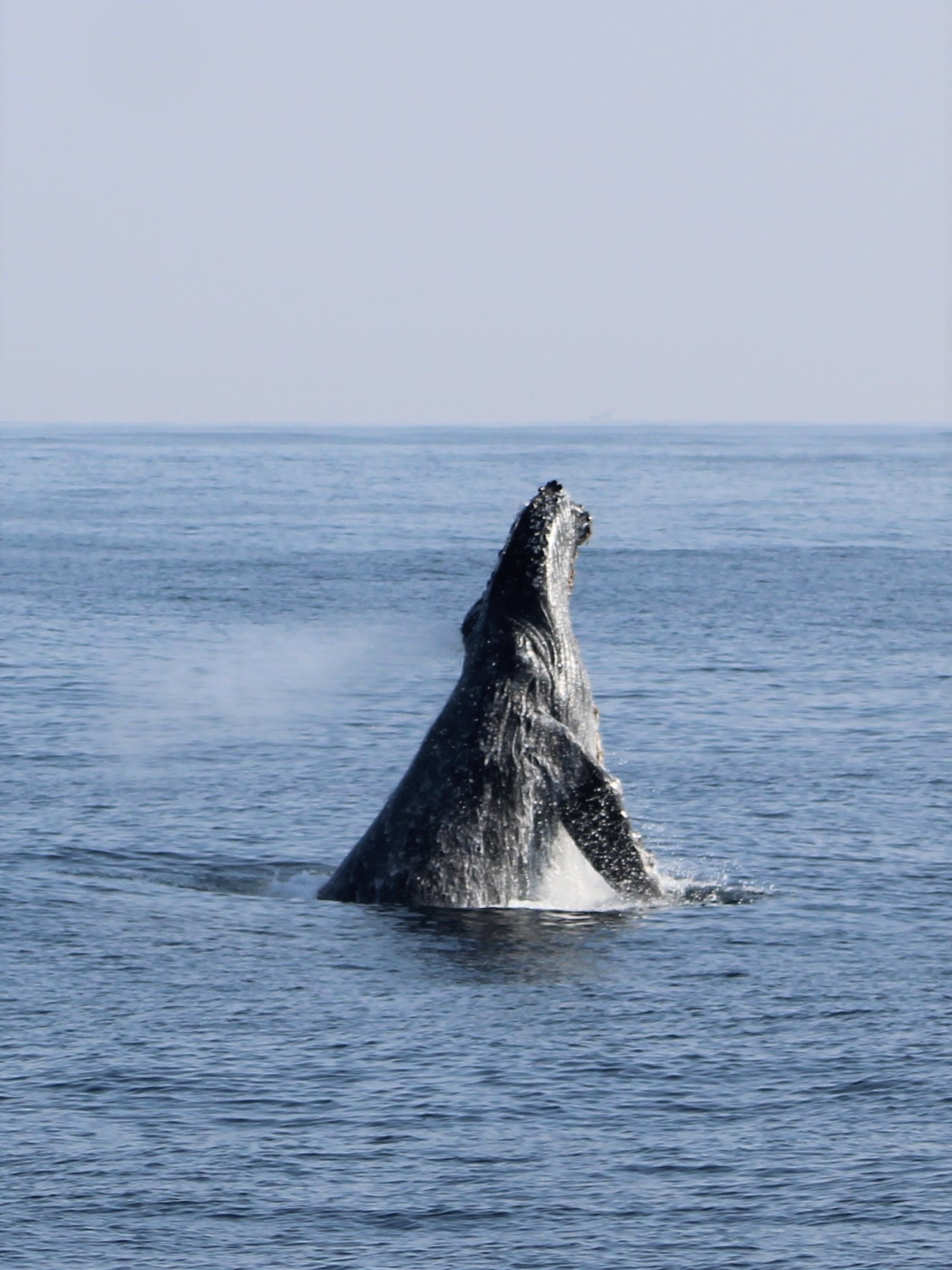
Imperial Beach occupies a unique seam of coast where the continental shelf bows, the Tijuana River estuary breathes life into coastal habitats, and the Pacific migration corridor tightens toward Baja. For whale watchers the place matters: geography and seasonal currents funnel migrating gray whales along the shoreline, producing long stretches where blow spouts and arching backs become part of the winter horizon. From a sand perch at the pier to a small-boat launch, the experience here balances accessibility with the visceral thrill of watching enormous marine mammals move with intent just beyond the surf.
But it’s not only about the whales themselves. Imperial Beach’s character—the low dunes, salt-grass flats, and the muted hum of cross-border commerce—gives encounters context. Shore-based watching is democratic: families, photographers, and people who prefer dry land can catch dignified, slow-moving passages without stepping on a deck. For those who want more, nearshore launches and day trips head into deeper water where humpbacks and other pelagic species show up in warmer months. Whether you choose the sand or the swell, the town’s small scale means less fuss getting to observation points, and enough local operators to match expectations from mellow interpretive cruises to purpose-built wildlife expeditions.
Environmental context also shapes the experience. The migratory patterns that gift us these sightings are tied to feeding and breeding cycles far south and far north; what you see in Imperial Beach is the result of complex oceanography and habitat health. Nearby estuarine wetlands and eelgrass beds support forage fish and invertebrates that in turn attract seabirds, sea lions, and the fish that whales chase—so a whale-watching day often doubles as a broader marine-naturalist outing. Practically, this means planning around weather and sea conditions matters. Winter brings the most reliable shore-parade of gray whales, but it can also bring brisk winds and raw mornings. Summer can offer glassy seas for offshore trips but requires more time and commitment to reach deep-water feeding hotspots.
All told, Imperial Beach offers a compact, layered whale-watching experience: accessible shore watching for quick encounters, focused nearshore trips for closer passes, and offshore options for species that prefer deeper water. The town’s proximity to San Diego’s maritime infrastructure also makes it a convenient springboard for longer expeditions, while retaining an intimate, local coastal vibe that rewards both casual visitors and dedicated naturalists.
Geography funnels passage: the coast near Imperial Beach creates predictable lines for migrating gray whales, making winter–spring productive for shore sightings.
Shore-based watching is an easy, low-cost option—watch from the pier, beaches, and coastal bluffs with binoculars or a long lens.
The harbor is the gateway, and the Pacific becomes the classroom.
Local operators offer a spectrum of trips: quick interpretive cruises, nearshore zodiac runs, and full-day vessels that push farther offshore for humpbacks and blue whales in warmer months.
Wildlife diversity is high: expect seabirds, dolphins, and pinnipeds on most outings; these animals often hint at nearby whale activity.
Choose by purpose
Whale watching, snorkeling, sunset sailing, cultural canoeing, harbor sightseeing, or private chartering.
Start near the city
Waikiki and Honolulu Harbor are primary hubs, with some trips launching near Hanauma Bay.
Confirm the vessel
Gangways, shaded seating, and boarding requirements vary according to vessel size and operator.