Top Surf Experiences in Kaimuki, Hawaii
Kaimuki Surf Guide

Top Surf Experiences in Kaimuki, Hawaii

Kaimuki sits on the gentle shoulder of Honolulu's southeast coast, a neighborhood edge that places surfers minutes from some of Oʻahu’s most approachable reef and beach breaks. This guide zeroes in on surfing from a local’s viewpoint—where longboard cruisers mix with lesson groups, reef etiquette matters, and the seasons rewrite the lineup. Expect easy access to Waikiki-style rides, reef surprises near Diamond Head, and a surf culture tied to Hawaii’s living shoreline.

Waikiki Beach (short drive)Diamond Head coastlineKewalo Basin & Ala Moana access

Live destination inventory

Top Surf Trips in Kaimuki

220 trips · Book with confidence · Instant confirmation

The prototype intentionally does not invent replacement trip cards or add images that are not already part of the live source page.

The city from the water

Why Kaimuki Works for Surfing

There’s an unassuming quality to Kaimuki that rewards the curious surfer. Nestled above the coastal ribbon of Honolulu, the neighborhood isn’t a flashy surf mecca in the way Haleʻiwa or Pipeline announces itself, but it offers something more useful for many travelers: proximity and variety. From Kaimuki you can be on a mellow longboard wave in twenty minutes or scouting a rock-and-reef pitch beneath Diamond Head in less time than it takes to pay for parking. That closeness matters—sessions here are about making the most of swell windows between errands, sunrise coffee, and a quick dip into urban Hawaii’s ocean culture. Surfing around Kaimuki is a study in contrasts. The winter months reorient Oʻahu toward the North Shore, but summers tilt the island’s attention back to the south: cleaner groundswells, softer reef sets, and the famously rideable Waikiki rollers. For longboarders and learners, those southshore months are a gift—waves that peel and run long along sand and fringing reef, forgiving of paddling mistakes and hospitable to lessons. Intermediate riders will find playful reef peaks near Diamond Head and point breaks that reward trimming and a bit of line-reading. For advanced surfers, the neighborhood is a gateway: you can hop in a car, chase a wind change, and be at a steep reef or exposed beach break within half an hour. The result is a surf day that feels fluid—switch from a lesson at sunrise to a solo mid-morning session on a reef, then finish with an afternoon paddle or snorkeling float to reset. Beyond wave mechanics, Kaimuki’s surf story is cultural and environmental. The coastline here sits on living coral and ancient Hawaiian fishing grounds; respectful surfing and reef-safe practices are practical necessities if you want consistent lineups in the years ahead. Local surf schools and rental shops have grown to support travelers—providing boards, instruction, and concise orientation on currents, reef entries, and etiquette. That infrastructure means Kaimuki is an excellent base for anyone who wants to learn to surf, refine longboard technique, or combine days on the water with downtown Honolulu’s food scene and accessible hikes like Diamond Head. Pack patience and curiosity: the best sessions often come from watching tides, feeling the trade winds, and choosing the right break for the day.

Accessibility is a strength: short drives to Waikiki and Kapiʻolani Park put gentle longboard waves and lesson beaches within easy reach, while modest parking and public transit options make arrival simple.

Seasonality shapes surf character. Summer delivers smaller, longer-rolling waves ideal for learners and longboarders; winter pushes energy to the North Shore but occasionally sends large groundswells into the southeast coast.

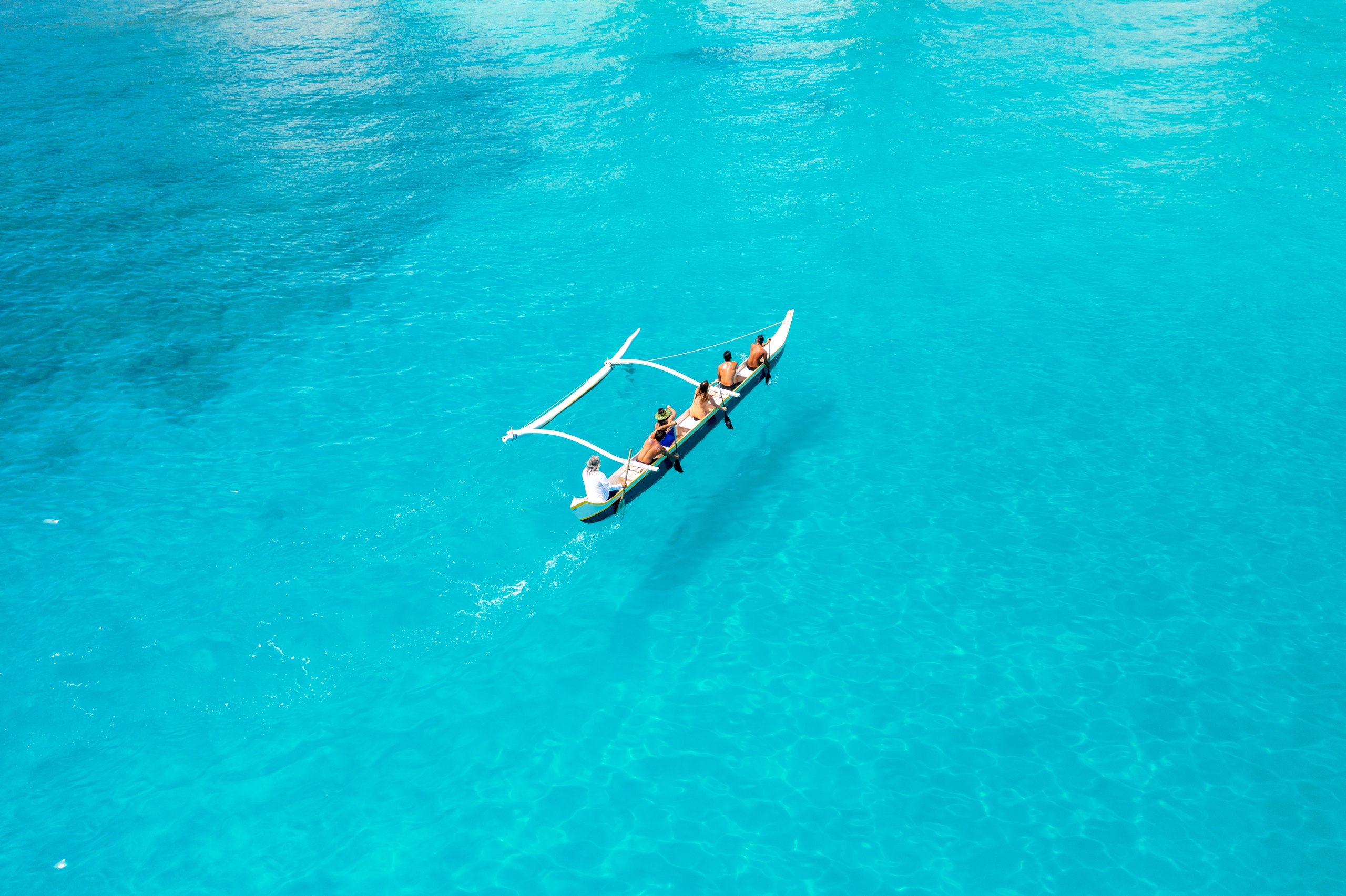
The harbor is the gateway, and the Pacific becomes the classroom.

Environmental stewardship is part of the local surf ethic. Respect reef zones, use reef-safe sunscreen, and follow local access rules to keep the coastline healthy and the lineups hospitable.

Activity focus

Choose by purpose

Whale watching, snorkeling, sunset sailing, cultural canoeing, harbor sightseeing, or private chartering.

Departure hubs

Start near the city

Waikiki and Honolulu Harbor are primary hubs, with some trips launching near Hanauma Bay.

Accessibility

Confirm the vessel

Gangways, shaded seating, and boarding requirements vary according to vessel size and operator.
Seasonal planning

Best Time to Visit

Kaimuki is warm year-round, but wind, swell, migration, visibility, and demand change the best match between traveler and trip.

Kaimuki boat tour
Year-round destination

Seasonal highlights change the reason to go

Winter favors humpback encounters; warmer, calmer months favor snorkeling visibility and smoother water.

Humpback season

Summer (June–September) sees high demand from learners and longboarders seeking gentle waves; tourist season increases shoreline activity.

Prime whale watching, winter holidays, higher demand, and earlier sell-outs.

Snorkeling window

May–June–July–August–September–October

Typically gentler seas and clearer water for snorkeling trips.

Weather notes

Trade winds year-round

Summer months bring more consistent south and southeast groundswells, calmer trade winds in the mornings, and smaller, more forgiving waves—ideal for lessons and longboarding. Trade winds typically pick up in the afternoon, creating wind chop on exposed stretches. Winter reallocates the most powerful swell energy to the North Shore; the southeast can still see fun occasional groundswells but conditions are less predictable.

Quieter opportunities

Late spring & summer weekdays

Winter weekdays can offer solitude for experienced surfers willing to chase the swell. Spring and late fall may deliver cross-shore groundswell windows with fewer crowds.

Match the trip to your comfort

Choose Your Experience Level

Low effort

Beginner

Gentle, long-rolling southshore waves on sand and shallow reef; ideal for first-time surfers and longboard lessons. Expect soft takeoffs and forgiving whitewater.

  • Morning surf lesson in Waikiki with a soft-top board
  • Longboard cruise on a mellow summer swell
  • Beach-entry sessions during gentle tide windows
Active day trip

Intermediate

Peeling reef and point breaks that reward trimming and small maneuvers. Requires basic wave judgment and comfort with rocky entries and paddle-outs.

  • Midday session on a Diamond Head reef peak
  • Small-to-medium longboard rides at protected points
  • Paddle-out practice and turning drills
Longer or technical

Advanced

Exposed reef and beach breaks during energetic groundswells, with stronger currents and steeper faces. Best for experienced surfers who understand local conditions and hazards.

  • Chasing cleaner groundswell pulses along the southeast coast
  • Reef-surfing on steeper, hollow sections near headlands
  • Early-morning sessions timed with glassy conditions and optimal tides

Prepare for sun, spray, and swell

What to Bring

Essential

Core kit

  • Board or plan to rent a soft-top for lessons
  • Leash and appropriate wax (or let rental shop manage wax)
  • Reef-safe sunscreen (zinc-based recommended)
  • Rashguard or spring suit for sun and minor abrasion
Recommended

Useful extras

  • Light booties for reef entries (optional, based on spot)
  • Waterproof sunscreen and small first-aid kit for reef scrapes
  • Ear drops for post-session comfort
  • Dry bag for keys, phone, and a light towel
Optional

Trip-specific

  • Compact surf tool (multi-tool or leash plug kit) if you travel with your board
  • Action camera or small waterproof camera
  • Local tidal app or NOAA buoy bookmarks
Respect the reef, the locals, and changing sea conditions—observe before paddling out.

Insider Tips & Local Knowledge

Reserve whale-watching and popular sunset cruises well ahead during December–April.
Choose morning snorkeling departures for calmer seas and better underwater visibility.
For motion sensitivity, choose a larger vessel, sit mid-ship, and take preventative medication before boarding.
Do not touch coral or wildlife, avoid standing on reefs, and use reef-safe sunscreen.
Community-based operators may add context about traditional navigation and stewardship.
Arrive early for parking and check-in because Waikiki departure areas can be busy.

Planning questions

Frequently Asked Questions

No. Many nearby beaches are lesson-friendly and suitable for beginners, especially during summer when waves are softer. However, reef breaks near Diamond Head are best for surfers with reef experience and comfort with currents.
Top Surf Experiences in Kaimuki, Hawaii
Ready for your surf adventure?

Browse 220 verified trips in Kaimuki.

Compare current availability and book with instant confirmation.

Explore Kaimuki surf