Top Scuba Adventures in Kalalau, Hawaii
Kalalau Scuba Guide

Top Scuba Adventures in Kalalau, Hawaii

The sea under the Nā Pali cliffs is a world carved by wind and wave: plunging walls, hidden pinnacles, and reef tongues that drop into blue depths. Scuba around Kalalau is intimate and elemental—best reached by boat or seasoned sea kayak—and rewards divers with dramatic topography, abundant reef life, and the occasional large visitor: spinner dolphins, Hawaiian green sea turtles, and winter whales offshore. This guide focuses on what makes scuba here distinct, how to prepare for the currents and remoteness, and how to pair dives with hiking, kayaking, and aerial viewing of one of Hawaii’s most iconic coastlines.

Nā Pali CoastKalalau BeachKauai

Live destination inventory

Top Scuba Trips in Kalalau

141 trips · Book with confidence · Instant confirmation

The prototype intentionally does not invent replacement trip cards or add images that are not already part of the live source page.

The city from the water

Why Kalalau Is a Standout Scuba Destination

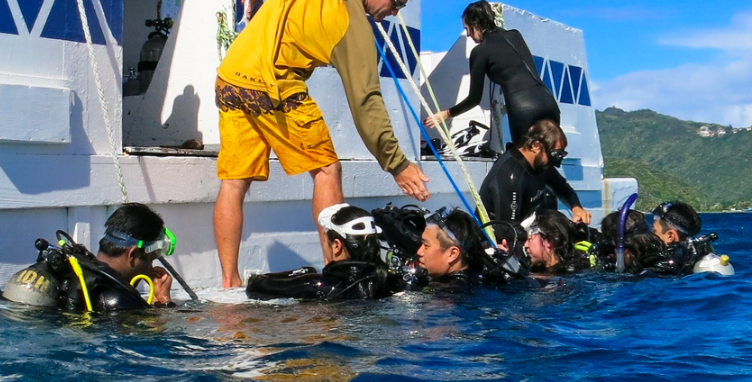
The first thing you notice about diving the Kalalau stretch of the Nā Pali Coast is the verticality—sheer basalt cliffs that fall out of the jungle and disappear beneath a surface that is at once glassy and unruly. Beneath those cliffs, the shoreline breaks into a cascade of reef shelves, pinnacles, and collapsed lava tubes that create dramatic drop-offs and concentrated marine life. This is not a gentle shallows playground. Visibility can be spectacular—sometimes 60 feet or more in summer—yet currents, surge, and seasonal swell sculpt how and when you can safely dive. The best dives are often boat-based runs where the operator can access offshore pinnacles and lee reefs that stay protected from strong north swells. Those offshore features host a layered cast: the small, riotous life of reef fish and anemones close to the coral; larger pelagic species patrolling the blue; and, occasionally, brief visits from spinner dolphins or a humpback during winter migrations sighted from the surface. What makes Kalalau especially compelling to divers is its sense of remoteness and context. The coast is culturally and ecologically significant—centuries of Hawaiian presence are stitched into the valleys above, and fragile reef systems below demand respectful exploration. Divers who come here are rewarded with topography you rarely see from land: caves, overhangs, and sheer walls etched with featherstars and encrusting sponges; sloping reefs where juvenile fish find shelter; and deep channels where drift dives can feel like riding an underwater canyon. Practical considerations are baked into the experience. Shore access to Kalalau is limited and, except for very experienced ocean-goers, not recommended for divers because surf and sudden currents make beach entry hazardous. Boat charters—often the only safe way to reach the best sites—leave early, require surface-interval planning for return to points of departure, and operate on careful weather windows. For travelers, that means pairing your dive days with flexible schedules, adding buffer days for weather, and choosing outfitters who prioritize safety and local knowledge. Combine dives with a day paddle along the coast, an aerial tour to photograph the cliffs from above, or a guided hike on the Kalalau Trail (permits required for camping beyond certain points) to complete a multi-modal appreciation of the place. Above all, diving Kalalau is about humility and stewardship. The algae-grazing surgeonfish and the quiet, slow breathing of a green sea turtle embody a reef economy that is delicate and resilient. Approach the water with conservative planning—respecting currents, surface conditions, and no-touch rules—and the Nā Pali’s underwater half will reveal itself as a cinematic, wild corner of Hawaiian ocean that lingers in memory long after you’ve surfaced.

Access: Most dives are conducted from boat charters; shore entries are rare and typically only for experienced strong-water divers or kayakers who coordinate closely with boat support.

Conservation: The reefs along the Nā Pali Coast are protected and sensitive—practice reef-safe sunscreen, neutral buoyancy, and strict no-touch rules to minimize impact.

Activity focus

Choose by purpose

Whale watching, snorkeling, sunset sailing, cultural canoeing, harbor sightseeing, or private chartering.

Departure hubs

Start near the city

Waikiki and Honolulu Harbor are primary hubs, with some trips launching near Hanauma Bay.

Accessibility

Confirm the vessel

Gangways, shaded seating, and boarding requirements vary according to vessel size and operator.
Seasonal planning

Best Time to Visit

Kalalau is warm year-round, but wind, swell, migration, visibility, and demand change the best match between traveler and trip.

Kalalau boat tour
Year-round destination

Seasonal highlights change the reason to go

Winter favors humpback encounters; warmer, calmer months favor snorkeling visibility and smoother water.

Humpback season

Late spring through early fall sees the most reliable diving conditions and higher operator availability.

Prime whale watching, winter holidays, higher demand, and earlier sell-outs.

Snorkeling window

May–June–July–August–September

Typically gentler seas and clearer water for snorkeling trips.

Weather notes

Trade winds year-round

Summer months tend to bring calmer seas and clearer visibility; winter opens dramatic northern swells that make close-to-shore diving hazardous and can close operations. Trade winds affect surface conditions—check local forecasts and ops for daily windows.

Quieter opportunities

Late spring & summer weekdays

Winter months deliver spectacular surf from shore and the possibility of whale sightings; however, diving is more restricted and operators run fewer trips.

Match the trip to your comfort

Choose Your Experience Level

Low effort

Beginner

Introductory dives and guided shallow reef experiences in protected sites with mild conditions and low currents. Ideal for newly certified divers when conditions permit.

  • Shallow reef orientation and fish ID dives
  • Protected bay or lee reef guided dive
  • Guided snorkel-to-dive introductory experiences
Active day trip

Intermediate

Boat dives to mid-depth reefs, short drift segments, and pinnacles where managing modest currents and buoyancy control are necessary. Best with prior open-water experience and some deep dives logged.

  • Boat-access reef dives (30–60 feet)
  • Gentle drift along reef edges
  • Pinnacle approaches with current management
Longer or technical

Advanced

Exposed shore entries, long drift dives, cave and overhang penetration, and operations in marginal sea conditions. Requires advanced certification, strong navigation and gas-management skills, and experience in surge/current environments.

  • Advanced drift dives along underwater canyons
  • Overhang and sea cave exploration (no penetration without training)
  • Remote multi-site boat days with complex surface intervals

Prepare for sun, spray, and swell

What to Bring

Essential

Core kit

  • Dive certification card and logbook
  • Personal mask, snorkel, and fins (rentals available but bring what fits)
  • Dive computer and timing device
  • Exposure protection suited to water temperature (3/2mm to 5/4mm wetsuit depending on season)
  • Surface signaling device (SMB/whistle) and reef-safe sunscreen
Recommended

Useful extras

  • Small dive light for overhangs and crevice inspection
  • Reel/spool if participating in drift or surge-prone entries
  • Waterproof camera or housing for shallow reef shots
  • Anti-fog and spare mask strap
  • Light personal first-aid kit and seasickness remedies
Optional

Trip-specific

  • Dry bag for between-dive layers and electronics
  • Spare mask, small knife or cutting tool for entanglement (local rules permitting)
  • Compact surface oxygen kit on multi-day charters if offered
  • Dive insurance or emergency evacuation coverage
Always check local sea forecasts, consult licensed operators, and respect cultural and ecological protections along the Nā Pali Coast.

Insider Tips & Local Knowledge

Reserve whale-watching and popular sunset cruises well ahead during December–April.
Choose morning snorkeling departures for calmer seas and better underwater visibility.
For motion sensitivity, choose a larger vessel, sit mid-ship, and take preventative medication before boarding.
Do not touch coral or wildlife, avoid standing on reefs, and use reef-safe sunscreen.
Community-based operators may add context about traditional navigation and stewardship.
Arrive early for parking and check-in because Waikiki departure areas can be busy.

Planning questions

Frequently Asked Questions

Most dive sites are accessed by boat from nearby marinas; experienced sea kayakers sometimes stage support dives from shore but this is advanced. Coordinate with licensed local operators for safe transport and site selection.
Top Scuba Adventures in Kalalau, Hawaii
Ready for your scuba adventure?

Browse 141 verified trips in Kalalau.

Compare current availability and book with instant confirmation.

Explore Kalalau scuba