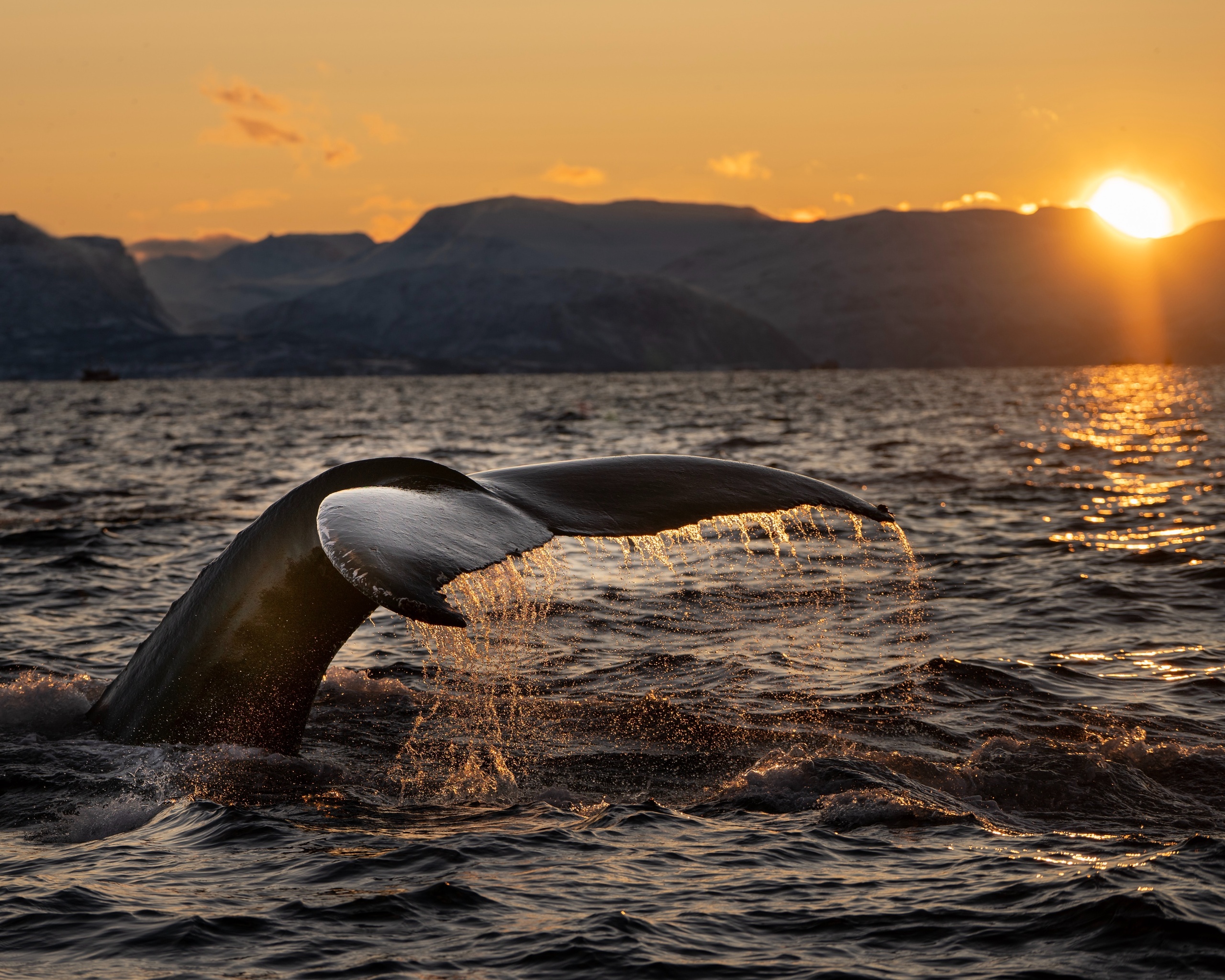
There are places where the ocean feels vast and anonymous, and then there is the Na Pali Coast at Kalalau: a fractured seam of cliffs and sea where the Pacific compresses, eddies, and deepens into the highways that migrating humpbacks prefer. The geology here—sheer basalt walls plunging into deep water—creates protected pockets and listening posts for whales. They arrive in winter from Alaskan feeding grounds with calves or to mate, and they often linger within sight of the coastline. Watching them from a respectful distance, you get a sense of scale: the whales’ bulk seems to stagger time itself, each breath a punctuation mark in an otherwise perpetual surf.
On a good day a Kalalau whale watch is a layered experience. From a small, quiet zodiac you can feel the swell and salt and hear the canted notes of humpback song, low and resonant through the hull. From a guided sea kayak the encounter is more intimate and elemental—the animals are often curious about small craft, and you may watch a calf surface beside a silent fiberglass bow. A helicopter lifts the scene into a balletic plane, revealing whales threading between offshore pinnacles and the ribbon of green on the coast. Shore-based viewing from strategic headlands or from boats anchored in calmer bays gives another perspective: the cliff backdrop turns breaches and tail-lobs into a private theater framed by vertical green.
Beyond spectacle, the experience at Kalalau is braided with cultural and conservation threads. The Na Pali Coast is ancestral land and sea—native Hawaiian stories and place names shape how locals read the landscape and its creatures. Modern protections—from marine regulations to tour guidelines—are meant to safeguard that relationship between people and ocean life. Responsible whale watching here is not just about seeing animals up close; it’s about honoring the space they need to rest, nurse, and travel. Operators and guides who emphasize quiet, informed approaches change the tone of a trip from voyeurism to stewardship.
Practical considerations make Kalalau unique among whale-watching destinations. Access along the Na Pali Coast is constrained—no roads trundle along its edge—so most viewing is done by boat, kayak, or air. That remoteness means weather and sea state matter more here than in protected harbors: swells can build quickly, and wind funnels between cliffs. The payoff is a dramatic, uncrowded encounter with marine life set against one of the most rugged shorelines in Hawai‘i. For travelers, that means planning for sea conditions, choosing the right platform for your comfort and experience goals, and making space—both in itinerary and attitude—for the slow, deliberate pace of whale country.
Deep nearshore channels and protected bays along the Na Pali provide habitat and transit lanes that attract migrating humpbacks between November and May.
Access is limited—most whale-watching experiences originate from sea or air—so choose the platform (boat, kayak, helicopter) that matches your comfort level and the kind of encounter you want.
The harbor is the gateway, and the Pacific becomes the classroom.
Kalalau’s combination of dramatic coastal geology and relatively low onshore development creates some of the most photogenic and undisturbed whale-watching settings in Hawaii.
Local cultural practices and federal/state protection guidelines shape responsible viewing protocols; guided tours usually brief guests on distance and behavior rules before departure.
Choose by purpose
Whale watching, snorkeling, sunset sailing, cultural canoeing, harbor sightseeing, or private chartering.
Start near the city
Waikiki and Honolulu Harbor are primary hubs, with some trips launching near Hanauma Bay.
Confirm the vessel
Gangways, shaded seating, and boarding requirements vary according to vessel size and operator.