Why Kapoho Bus Tours Matter
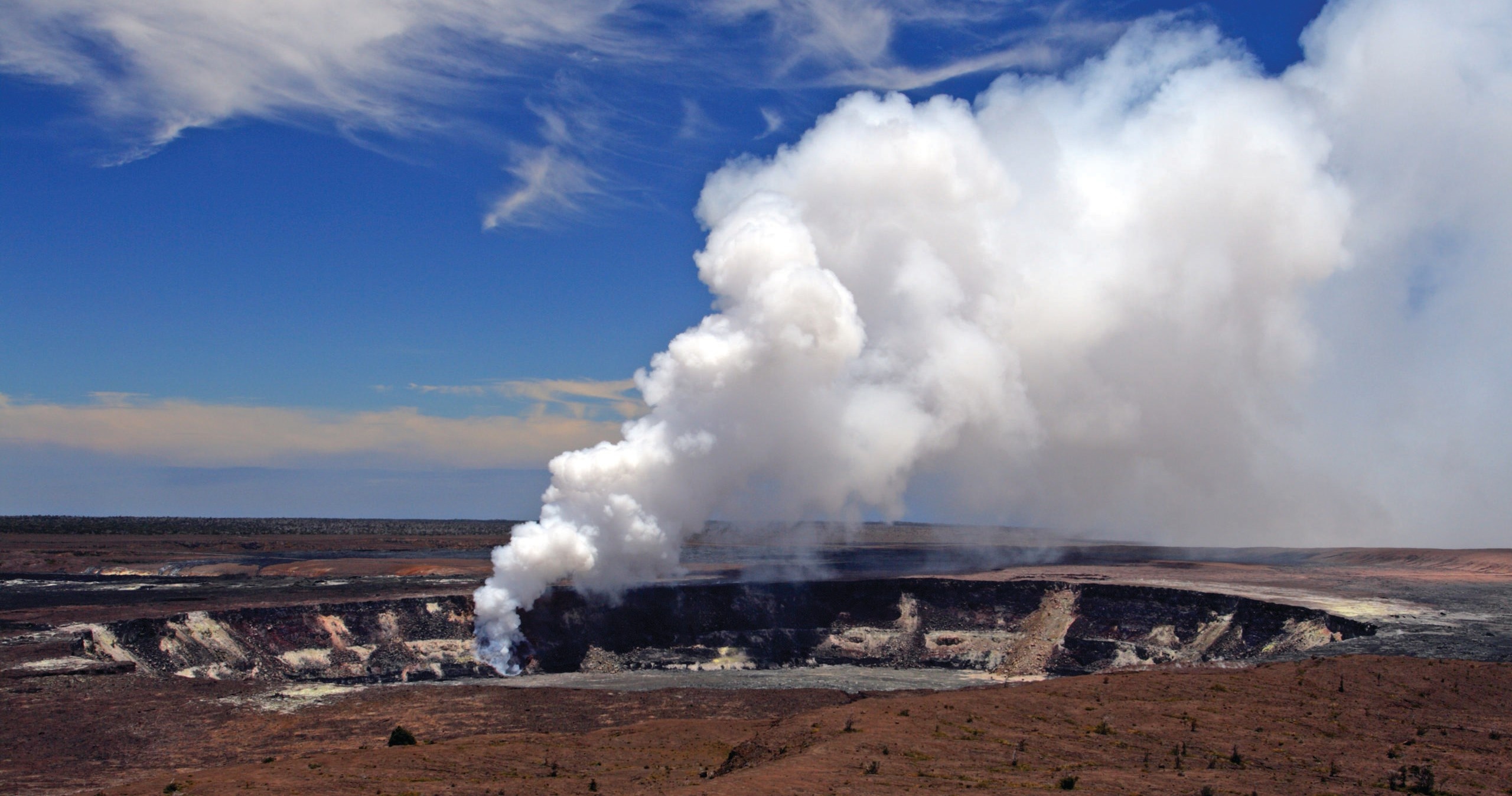
There’s a particular rhythm to seeing Kapoho from the window of a bus: the steady hum of the engine, the slow unfolding of coastline and scrub, and the guide’s voice knitting geology to culture, making sense of lava lines, agricultural terraces, and the fragile intertidal world. Bus tours transform what could be a stressful navigation problem—narrow coastal roads, changing access points, and limited parking—into a distilled, narrated route where every stop, overlook, and walk is curated to deliver maximum context in manageable segments. The value of guided drives in this part of Hawaiʻi Island is not just convenience; it’s storytelling. Drivers and naturalists translate volcanic timelines, explain how pōhaku (rocks) and ʻāina (land) inform kamaʻāina (local) life, and point out plants and shoreline features you would likely drive past when focused on directions.
On the practical side, Kapoho’s bus tours concentrate experiences that otherwise require time and coordination: short interpretive walks to tidepools, photo stops at coastal outlooks, and visits to botanical or agricultural sites that speak to Puna’s unique microclimates. Because much of the area’s interest arises from recent and historical lava flows, tours are tuned to current access and safety conditions—operators know which stretches are open for viewing and which require distance or alternative vantage points. That expertise matters for both safety and respect: bus tours reduce footprint by limiting repeated vehicle entries into fragile coastal roads and by organizing group movement at sensitive sites.
Beyond geology, guided drives are an efficient way to layer cultural meaning onto landscape. Local guides often weave Hawaiian place names, oral histories, and contemporary community perspectives into their narration, turning a scenic drive into a living lesson about stewardship, land use, and resilience. For travelers who want to combine the ease of a drive with the curiosity of a naturalist walk, bus tours offer approachable stops—short, guided strolls that require little gear but yield outsized impressions: a tidepool full of life at low tide; a lava shelf that reads like a frozen ocean; a stand of native coastal plants recovering in sheltered coves.
Practical visitors will appreciate the flexibility of tour formats: half-day coastal loops, full-day combinations that include neighboring attractions and light hikes, and private charters that let families or small groups tailor pacing. For photographers and nature watchers, timing matters—early light and low tides reveal different textures and species than midday visits—so many operators schedule departures accordingly. Ultimately, bus tours in Kapoho are about access and interpretation: they open the door to dramatic coastal landscapes while leaving the logistics and safety to people who know the roads, the rhythms of the sea, and the stories embedded in the land.
Guided bus tours condense local knowledge—geology, ecology, and cultural context—into a single curated route, making short visits feel complete and meaningful.
Tours reduce individual impact on fragile coastal zones and ensure stops are safe and legally accessible; operators adapt itineraries to road and tide conditions.
Choose by purpose
Whale watching, snorkeling, sunset sailing, cultural canoeing, harbor sightseeing, or private chartering.
Start near the city
Waikiki and Honolulu Harbor are primary hubs, with some trips launching near Hanauma Bay.
Confirm the vessel
Gangways, shaded seating, and boarding requirements vary according to vessel size and operator.