Climbing in Kapoho, Hawaii: Lava Ledges, Sea-Scaped Boulders & Coastal Scrambles
Kapoho Climbing Guide

Climbing in Kapoho, Hawaii: Lava Ledges, Sea-Scaped Boulders & Coastal Scrambles

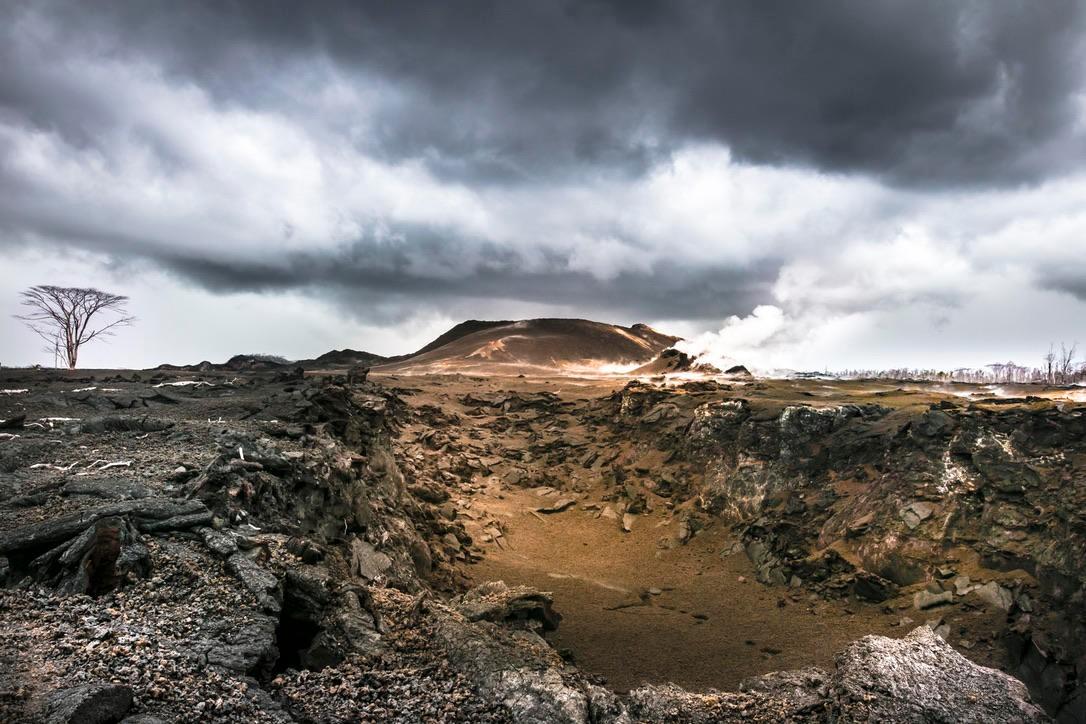
Kapoho’s climbing identity is defined by volcanic rock, intimate seaside approaches, and a landscape that changes with the island’s geological heartbeat. This is a place for low-angle bouldering, adventurous scrambles along lava shelves, and careful, small-group alpine-style exploration rather than polished sport crags—where tide schedules, sharp glassy basalt, and fragile coastal ecosystems shape every ascent.

Puna CoastKapoho BayLava-sculpted coastline

Live destination inventory

Top Climbing Trips in Kapoho

5 trips · Book with confidence · Instant confirmation

The prototype intentionally does not invent replacement trip cards or add images that are not already part of the live source page.

The city from the water

Why Kapoho Is a Distinctive Climbing Destination

Kapoho is a climbing experience that reads like a short story in stone—brief, vivid, and always in dialogue with the ocean. Unlike the developed sport crags of larger islands or mainland ranges, climbing here is intimate and elemental. The rock is young by geological standards: basalt formed from lava flows, often glassy and flaked into irregular edges, creating a texture that rewards careful footwork and attention to balance more than gym-trained power moves. Climbs are frequently short and steep, or low but technical; opportunities lean toward bouldering, scramble-style moves across lava benches, and route-finding over fractured ledges where handholds can be both generous and brittle. What makes Kapoho compelling is how climbing threads into the rest of the landscape. Approaches happen along tidepools and narrow coastal tracks, so your arrival is regulated by tide, surf, and the rhythm of seabirds. In a single outing you might hop between climbing problems on exposed black rock, pause to look into clear tidal pools and then traverse a grassy bench warmed by lingering geothermal heat in places where the earth still exhales. That mingling of water, fire, and sky produces climbs that are equal parts physical and atmospheric: every hold feels like a token from a volcanic past, and every ledge opens to ocean views that remind you how transient coastlines can be. Because the coastline and cliffs here are mutable—shaped by eruptions, lava flows, and coastal erosion—routes are rarely official in the way you’d find at a bolted sport area. Many of the best problems are local knowledge, or the result of careful exploration and repeated visits. That makes Kapoho ideal for climbers who enjoy route-finding and planning as much as movement; it’s also why responsible travel and local consultation matter. Land access, tide safety, and environmental sensitivity are central to trip planning. Native ecosystems, fragile coral reefs below, and private property boundaries dot the map; leave-no-trace principles are not optional but essential to keeping climbing viable here. Complementary activities amplify the climbing day: short hikes along lava fields, snorkeling in protected tidepools, and mindful visits to thermal pools or botanical pockets lend rest and context between climbing sessions. Guided outings can help translate Kapoho’s informal climbing culture into a safe learning curve—especially for visitors new to climbing on sharp volcanic rock or to low-tide approaches. Expect short but intense movement, an emphasis on careful foot placement and helmet use where rockfall is possible, and a mood that privileges stewardship over conquest. In Kapoho you climb with the coast: tides, wind, and surf are partners as much as obstacles, and the most memorable ascents are those that end with salt in your hair and a clear sense that the route you climbed may change by the next season.

The climbing variety is compact but rewarding: bouldering problems on fractured lava, exposed ledge scrambles that demand balance and route-reading, and occasional deep-water soloing or short top-rope possibilities where coastal drops meet safe landing zones—always check local safety conditions and tidal windows before attempting water-based moves.

Seasons and weather shape the experience: drier spring and fall months offer more stable rock conditions and lower surf; rainy periods make the glassy basalt slick and increase access hazards. Because the coastline itself changes with volcanic and oceanic forces, route conditions can vary year to year.

Activity focus

Choose by purpose

Whale watching, snorkeling, sunset sailing, cultural canoeing, harbor sightseeing, or private chartering.

Departure hubs

Start near the city

Waikiki and Honolulu Harbor are primary hubs, with some trips launching near Hanauma Bay.

Accessibility

Confirm the vessel

Gangways, shaded seating, and boarding requirements vary according to vessel size and operator.
Seasonal planning

Best Time to Visit

Kapoho is warm year-round, but wind, swell, migration, visibility, and demand change the best match between traveler and trip.

Kapoho boat tour
Year-round destination

Seasonal highlights change the reason to go

Winter favors humpback encounters; warmer, calmer months favor snorkeling visibility and smoother water.

Humpback season

Holiday periods and summer months see more general visitor traffic along the Puna Coast, which can affect parking and access at popular shoreline points.

Prime whale watching, winter holidays, higher demand, and earlier sell-outs.

Snorkeling window

April–May–September–October

Typically gentler seas and clearer water for snorkeling trips.

Weather notes

Trade winds year-round

Spring and early fall typically offer the most stable climbing conditions—lower rainfall and calmer seas reduce spray on coastal rock. Summer can bring higher humidity, sun exposure, and afternoon showers; winter months increase swell and storm-driven surf, which can close off sea-level approaches.

Quieter opportunities

Late spring & summer weekdays

Rainier months bring solitude and dramatic landscapes but demand caution: wet basalt is extremely slippery, and some problems may be unsafe or off-limits.

Match the trip to your comfort

Choose Your Experience Level

Low effort

Beginner

Short, low-height boulder problems and gentle lava-shelf scrambles that emphasize balance and footwork more than sustained technical moves. Best attempted during low surf and dry conditions, ideally with a spotter and pads.

  • Low coastal boulder circuits
  • Guided introductory scramble sessions
  • Tide-aware approach practice and safety drills
Active day trip

Intermediate

Longer linked problems, exposed traverses across fractured ledges, and simple route-finding over irregular basalt requiring endurance, good foot placement, and tolerance for abrasive rock.

  • Linked boulder sequences across lava benches
  • Top-rope setups on accessible sea cliffs (where anchors and landing zones allow)
  • Coastal route-finding with tide management
Longer or technical

Advanced

Dynamic moves on sharp volcanic edges, committing traverses above crashing surf, and technically demanding problems that require precise technique, confidence on exposed rock, and thorough planning for landings and weather.

  • High-consequence boulder or deep-water solo attempts (only where conditions and safety allow)
  • Long exposed scrub-and-lava traverses requiring improvised protection knowledge
  • Self-supported multi-sector exploration of changing coastline lines

Prepare for sun, spray, and swell

What to Bring

Essential

Core kit

  • Climbing shoes and comfortable approach shoes with sticky rubber
  • Helmet (rockfall and sharp lava edges are common)
  • Chalk and a small brush for cleaning holds (use outdoors-safe products)
  • Tide chart or tide app, and knowledge of low/high tide windows
  • Plenty of water, reef-safe sunscreen, and sun protection
Recommended

Useful extras

  • Crash pad(s) and a partner for bouldering
  • Light rope and a few slings for improvised top-rope anchors where appropriate and allowed
  • Gloves or tape for protecting hands on abrasive volcanic edges
  • First-aid kit and a small repair kit (duct tape, cordage, webbing)
  • Dry bag for electronics and patrol-ready cell phone or satellite beacon
Optional

Trip-specific

  • Watershoes for tidepool approaches
  • Snorkel gear to inspect landings and reefs before water-based moves
  • Light headlamp for early starts or late finishes
  • Binoculars for scouting lines from offshore vantage points
Check access, tides, and current conditions before heading out; practice strict leave-no-trace and prioritize reef-safe products.

Insider Tips & Local Knowledge

Reserve whale-watching and popular sunset cruises well ahead during December–April.
Choose morning snorkeling departures for calmer seas and better underwater visibility.
For motion sensitivity, choose a larger vessel, sit mid-ship, and take preventative medication before boarding.
Do not touch coral or wildlife, avoid standing on reefs, and use reef-safe sunscreen.
Community-based operators may add context about traditional navigation and stewardship.
Arrive early for parking and check-in because Waikiki departure areas can be busy.

Planning questions

Frequently Asked Questions

Access rules vary by exact location—some shoreline areas are public, others are private or culturally sensitive. There is no single statewide climbing permit for Kapoho, but always verify land status, respect posted closures, and consult local authorities or guide services for up-to-date guidance.
Climbing in Kapoho, Hawaii: Lava Ledges, Sea-Scaped Boulders & Coastal Scrambles
Ready for your climbing adventure?

Browse 5 verified trips in Kapoho.

Compare current availability and book with instant confirmation.

Explore Kapoho climbing