Top 6 Fishing Adventures in Kapoho, Hawaii
Kapoho Fishing Guide

Top 6 Fishing Adventures in Kapoho, Hawaii

Kapoho’s fishing life is intimate and elemental: a shoreline braided with tidepools, sharp lava outcrops, and pockets of sheltered water where reef species gather and pelagics patrol offshore. Anglers come for accessible shorecasting, kayak and small-boat reef fishing, and quick runs to blue-water gamefish. This guide focuses on how to fish Kapoho—where to cast, when to go, what to bring, and how to pair a day on the water with snorkeling, tidepool exploration, and quiet coastal hikes.

Kapoho BayPuna CoastTidepools & Reefs

Live destination inventory

Top Fishing Trips in Kapoho

6 trips · Book with confidence · Instant confirmation

The prototype intentionally does not invent replacement trip cards or add images that are not already part of the live source page.

The city from the water

Why Kapoho Is a Standout Fishing Destination

Kapoho sits on the Puna coast of Hawaiʻi Island where the ocean meets a coastline continually remade by lava and tide. That geological restlessness has created a patchwork of fishing opportunities—shallow protected bays where reef fish congregate, rocky points that funnel bait and predators, and nearby deep water accessible for day charters. Fishing here is less about manicured marinas and more about reading currents, tides, and the weather to find biteable water. The shoreline offers bite-on-sight possibilities for shore anglers—cast into the surge channels and you’ll often find snapper, goatfish, and other reef species. Kayak anglers can thread between lava fingers and drop soft plastics for hungry reef predators. For those seeking speed and scale, local captains run short offshore trips for mahi-mahi, tuna, and wahoo when conditions allow. What makes Kapoho feel special is its scale and intimacy. You won’t find large commercial harbors; instead the experience is carved into local rhythms—early mornings when the trade winds are still, tidepool checks at low tide to learn where small fish concentrate, and the gentle etiquette of sharing narrow shoreline access with snorkelers and families. Kapoho’s fishing culture is also rooted in Hawaiian practice: an awareness of seasons, respect for reef habitats, and a preference for sustainable take. That context matters—this is a place where understanding the coastline pays off both for a better catch and for keeping the fragile nearshore ecosystems healthy. Seasonality shapes every decision. Summer months bring calmer seas and more reliable pelagic runs, while winter swells can close the coast and shift feeding patterns. Trade winds—often pleasant for visitors—can complicate kayak launches and shorecasting, so timing is part of the craft. Weather aside, the coastline itself requires attention: lava rock is sharp and uneven; tidepool circuits expose delicate corals and weedy flats; newly formed black-sand coves can hide deeper drop-offs right off the surf line. Good local knowledge shortens the learning curve: which points hold fish on a falling tide, where to skirt the reef edge in a kayak, and when a passing bird flock announces a bait ball and a sudden chance at pelagics. Complementary activities expand a fishing day into a fuller Puna coast itinerary. Snorkeling the tidepools and fringing reef before or after a solid morning of casts gives a clear sense of what species are active and where they shelter. A short hike to nearby hot springs or coastal lookouts provides context to the land that feeds the sea, and an evening spent on the lava plain watching the sunset draws the trip into place. For travelers, Kapoho is ideal when approached as a low-key, skill-focused fishing destination—one that rewards patience, local know-how, and a spirit of care for the ocean and shoreline.

Accessible shoreline fishing, kayak-based reef fishing, and short charters make Kapoho a versatile base for anglers of varying experience.

Coastal geology and currents create microhabitats—knowing tide windows is often more important than having high-end tackle.

The harbor is the gateway, and the Pacific becomes the classroom.

Respect for reef habitat and local cultural practices is essential; conservation-minded anglers will find better long-term results.

Activity focus

Choose by purpose

Whale watching, snorkeling, sunset sailing, cultural canoeing, harbor sightseeing, or private chartering.

Departure hubs

Start near the city

Waikiki and Honolulu Harbor are primary hubs, with some trips launching near Hanauma Bay.

Accessibility

Confirm the vessel

Gangways, shaded seating, and boarding requirements vary according to vessel size and operator.
Seasonal planning

Best Time to Visit

Kapoho is warm year-round, but wind, swell, migration, visibility, and demand change the best match between traveler and trip.

Kapoho boat tour
Year-round destination

Seasonal highlights change the reason to go

Winter favors humpback encounters; warmer, calmer months favor snorkeling visibility and smoother water.

Humpback season

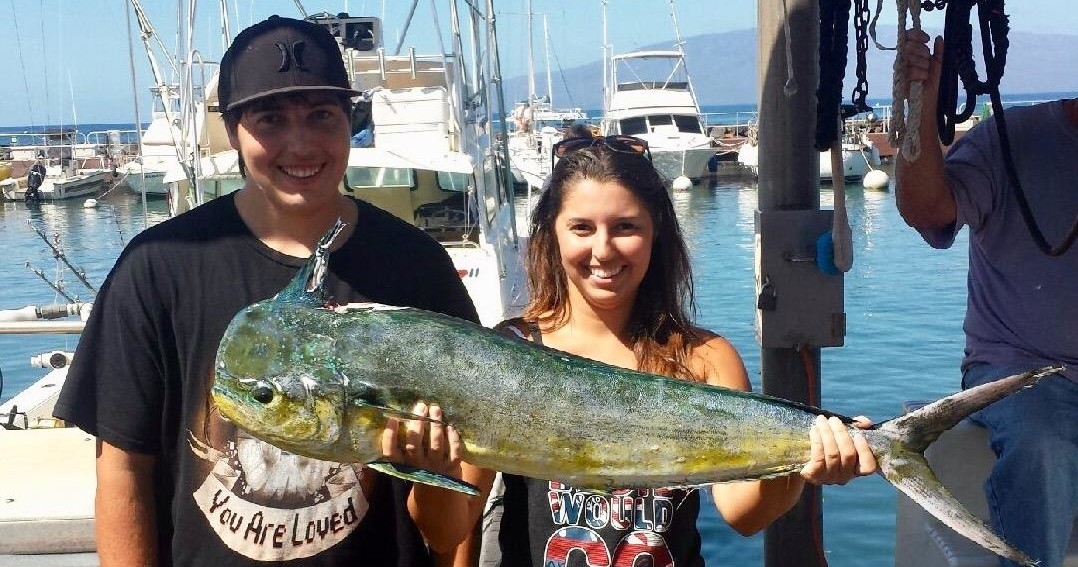
Summer through early fall offers the most consistent pelagic opportunities and calmer seas for kayak launches and short charters.

Prime whale watching, winter holidays, higher demand, and earlier sell-outs.

Snorkeling window

April–May–June–July–August–September–October–November

Typically gentler seas and clearer water for snorkeling trips.

Weather notes

Trade winds year-round

Kapoho experiences typical Hawaiian trade-wind patterns—calmest seas and easier offshore runs are often in late spring through fall. Winter brings larger swells and windier days; mornings are usually the calmest. Be mindful of sudden showers and changing ocean conditions.

Quieter opportunities

Late spring & summer weekdays

Winter can produce strong nearshore action and unique species; early mornings and protected coves are best. Heavy surf or swell may limit kayak and shore access.

Match the trip to your comfort

Choose Your Experience Level

Low effort

Beginner

Shorecasting from protected coves and practicing with light tackle. Ideal for families and new anglers looking for approachable, low-cost outings.

  • Gentle bay shorecast for reef snapper and small reef species
  • Guided half-day shore fishing session
  • Tidepool exploration to observe reef species
Active day trip

Intermediate

Kayak-based fishing and longer shore sessions that require tide and wind planning. Anglers should be comfortable launching and retrieving gear in rocky settings.

  • Kayak reef fishing around lava fingers and sea caves
  • Point-to-point shorecasting on falling tides
  • Small-boat reef trips to target larger nearshore structure
Longer or technical

Advanced

Offshore pelagic pursuits, multi-day planning for weather windows, and technical presentations around structure. Advanced trips often require boat-handling skills and experience reading deep-water signs.

  • Short offshore runs for mahi-mahi, tuna, or wahoo
  • Specialized jigging or trolling around current breaks
  • Spearfishing or technical reef fishing with specialized gear (ensure compliance with regulations)

Prepare for sun, spray, and swell

What to Bring

Essential

Core kit

  • Saltwater-capable rod and reel (light- to medium-action for reef, heavier for pelagics)
  • Assortment of terminal tackle: hooks, leaders, jigs, soft plastics, and surface lures
  • Reef-safe sunscreen and sun protection (hat, long-sleeve UV shirt)
  • Polarized sunglasses and a small cooler or insulated bag for your catch
  • Sturdy reef shoes or boots for rocky shorelines, and gloves for handling fish
  • Plier/multi-tool, leader scissors, and a basic first-aid kit
  • Plenty of water and high-energy snacks; shade is limited along many shore points
Recommended

Useful extras

  • Small tackle box organized for quick changes
  • Waterproof dry bag for phone, camera, and spare clothes
  • Handheld GPS or phone map with offline maps for coastline access points
  • Lightweight anchor or drift sock for kayak fishing
  • Boat shoes and foul-weather jacket for changing trade winds
Optional

Trip-specific

  • Small fishfinder for charter or personal boat use
  • Compact camera or waterproof action cam for documenting catches
  • Snorkel set to scope reef structure and fish movement
  • Binoculars for spotting bird activity that often signals bait
Always verify access, closures, weather, and regulations before heading out.

Insider Tips & Local Knowledge

Reserve whale-watching and popular sunset cruises well ahead during December–April.
Choose morning snorkeling departures for calmer seas and better underwater visibility.
For motion sensitivity, choose a larger vessel, sit mid-ship, and take preventative medication before boarding.
Do not touch coral or wildlife, avoid standing on reefs, and use reef-safe sunscreen.
Community-based operators may add context about traditional navigation and stewardship.
Arrive early for parking and check-in because Waikiki departure areas can be busy.

Planning questions

Frequently Asked Questions

Regulations for fishing in Hawaiʻi vary by species and area. Check Hawaiʻi DLNR and local advisories before heading out for rules on protected species, gear restrictions, and any seasonal closures.
Top 6 Fishing Adventures in Kapoho, Hawaii
Ready for your fishing adventure?

Browse 6 verified trips in Kapoho.

Compare current availability and book with instant confirmation.

Explore Kapoho fishing