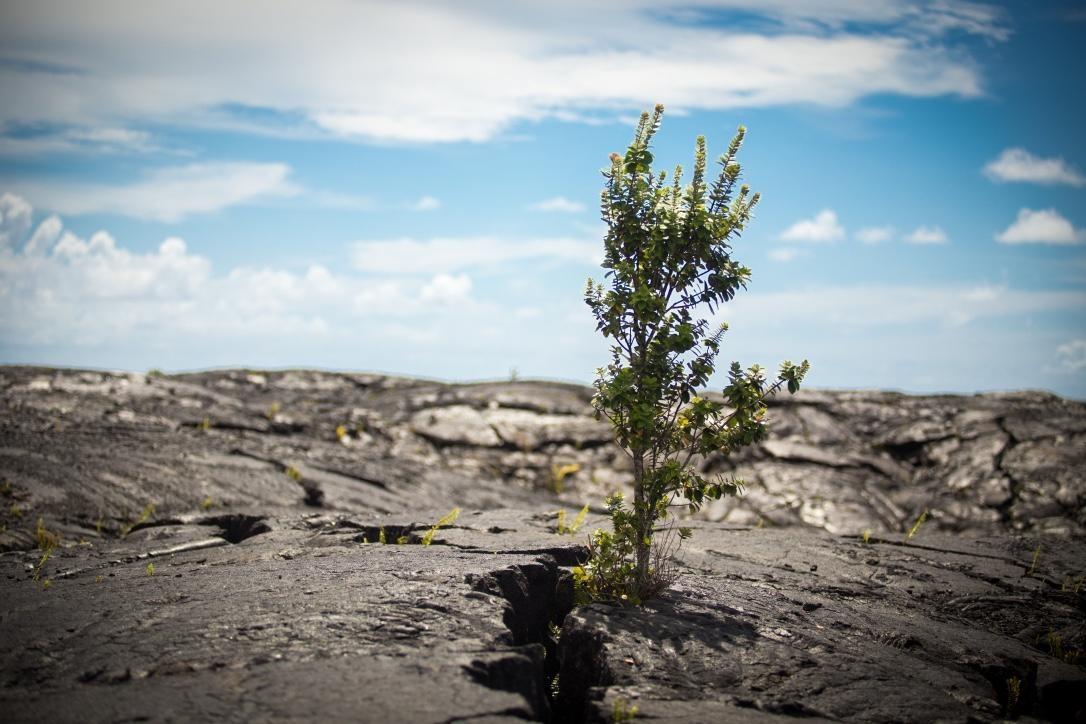
Kapoho's coastline reads like a photographer's primer on contrast: black lava shelves scoured by tropical seas, jewel-toned tide pools, and fringes of verdant vegetation that push right up to the shore. The place is compact but endlessly variable—an hour's light can transform the same outcrop from hard, detailed monochrome into molten color as the sun drops toward the horizon. For photographers, Kapoho offers a rare combination of accessible compositions and geological drama. You can work macro on patterns of algae and tiny anemones in the tide pools, shift to medium-format framing for the juxtaposition of smooth water and pitted lava, then finish with wide-angle panoramas that place a jagged coastline against a big Puna sky.
The region's modern photographic identity is inseparable from its geology and recent history. The 2018 Lower Puna flows reshaped beaches, buried roads, and altered access; that dynamism is part of the story you capture here. Photographs from Kapoho are rarely static—tides, swell, and shifting light animate scenes in ways that reward patience and local knowledge. That makes guided photography tours particularly valuable: local guides know tide lines, the safest viewpoints, how to catch the brief windows when brackish pools mirror the sky, and where to watch for ephemeral reflections after a storm.
Cultural and environmental context matters too. Kapoho sits in a landscape that Hawaiian communities regard with deep connection. Photographers should prioritize respectful access, avoid trampling fragile tide-pool communities, and follow local guidance about private property and permitted areas. Many tours weave cultural interpretation into the schedule—stories about the land (aina), place names, and how lava and sea have shaped both ecology and settlement—so your images arrive with fuller meaning.
Practically speaking, Kapoho rewards modest investment in gear protection and timing strategy. Salt spray, humid air, and abrasive lava demand weather-sealed bodies or protective covers; low-angle sun makes tripods essential for long exposures; and a good polarizer will pull rich color from wet rock and reduce glare on pools. Seasonally, late spring through fall is often the driest, providing more predictable sunsets and calmer seas, while winter months bring big surf and dramatic storm light—photographically compelling but potentially hazardous. Whether you're a curious beginner or a seasoned landscape shooter, Kapoho's compact scale and intense variety make it a place to build a diverse shoot list in a short time, provided you plan around tides, weather, and local access.
Tours focus on three core subjects: tide pools and macro shoreline life, lava-sculpted coastal landscapes, and golden-hour seascapes.
Local guides orient photographers to safe vantage points, tidal timing, and light strategies—especially useful where shifting sand and recent lava have changed routes.
The harbor is the gateway, and the Pacific becomes the classroom.
Kapoho complements other Puna activities: snorkel scouting in tide pools for underwater shots, botanical walks for macro flora, and night-sky sessions when volcanic haze clears.
Choose by purpose
Whale watching, snorkeling, sunset sailing, cultural canoeing, harbor sightseeing, or private chartering.
Start near the city
Waikiki and Honolulu Harbor are primary hubs, with some trips launching near Hanauma Bay.
Confirm the vessel
Gangways, shaded seating, and boarding requirements vary according to vessel size and operator.