Top 8 Bus Tours in Keaukaha, Hawaii
Keaukaha Bus Tour Guide

Top 8 Bus Tours in Keaukaha, Hawaii

Bus tours in Keaukaha offer a different kind of Hawaiian intimacy: the slow arc of the coastline through rain-drenched palms, the theater of steam plumes and lava-scarred shorelines, and a local guide's cadence that stitches geology, history, and kuleana into each roadside stop. For travelers who want perspective without the strain of driving winding island roads, Keaukaha’s bus tours deliver accessible storytelling, curated access to waterfall viewpoints, cultural sites, and coastal vistas—plus the practical comfort of a sheltered seat when island weather shifts.

Hilo BayEast Hawaiʻi CoastKīlauea & Volcano Country

Live destination inventory

Top Bus Tour Trips in Keaukaha

8 trips · Book with confidence · Instant confirmation

The prototype intentionally does not invent replacement trip cards or add images that are not already part of the live source page.

The city from the water

Why Keaukaha Is a Standout Place for Bus Tours

Keaukaha sits at the eastern edge of Hilo, where trade winds meet the warm sweep of the Pacific and the island unfurls in sudden contrasts: emerald valleys give way to black basalt headlands, calm harbors open to surf-pounded reefs, and rainforest gulches plunge into hidden waterfalls. For visitors who prefer to observe rather than pilot, bus tours are the ideal lens. The route itself becomes part of the experience—drivers navigate narrow coastal roads while guides narrate the slow-time changes of lava flows, the persistence of native flora, and the human stories that have shaped this shoreline. There’s an immediacy to being driven through landscape gradients on a comfortable seat: one moment you're in mist-chilled cloud forest, the next you're counting rainbow arcs over an ocean inlet. Beyond convenience, bus tours in Keaukaha bring context. Local drivers and guides often double as cultural interpreters, explaining ancient ahupuaʻa land divisions, the significance of fishponds, and the practices that still bind families to certain places. That storytelling threads past and present together—plantation-era histories, the evolving relationship with Kīlauea’s eruptions, and contemporary stewardship efforts—and turns roadside overlooks into living classrooms. Practical benefits matter too: island weather is famously fickle, and buses provide shelter from sudden showers; luggage and snorkeling gear stow safely; and timed itineraries make it easier to pack multiple experiences into a day—think a morning lava-scenic loop followed by an afternoon beach stop and an evening cultural demonstration. Keaukaha’s bus tours also function as a gateway to complementary outdoor activities without demanding specialized skills. Many itineraries combine gentle, guided shoreline walks, accessible waterfall overlooks, and brief boardwalks through botanical sites—perfect for travelers with limited mobility or families. For more active visitors, bus tours pair well with short hikes, snorkeling or stand-up paddle excursions, and volcano-regional explorations where drivers deposit you near trailheads and pick you up later. In this way, the bus becomes both transport and concierge—a way to sample the island’s topography efficiently while ensuring you return to base refreshed rather than exhausted. From a seasonal standpoint, Keaukaha’s central-east location means moderate variability: trade-wind showers are frequent but short-lived, and bus windows provide comfort during passing rain. The measure of a good tour here is flexibility, local knowledge, and an eye for small moments—the particular play of light on a lava bench, the hush inside a banyan grove, the taste of locally grown fruit offered at a roadside stall. For travelers who want immersive yet low-effort access to Hawaiʻi Island’s coastal and volcanic narratives, Keaukaha’s bus tours are a practical, evocative choice.

Bus tours reduce the logistical friction of navigating island roads and parking at popular viewpoints—especially useful during high tides, surf season, or when weather closes narrow lanes along the coast.

They lend themselves to curated experiences: culture-focused routes with hula or craftsmen stops, geology tours centered on Kīlauea and lava formations, and combination itineraries that mix gentle walks, historical sites, and marine viewpoints.

Activity focus

Choose by purpose

Whale watching, snorkeling, sunset sailing, cultural canoeing, harbor sightseeing, or private chartering.

Departure hubs

Start near the city

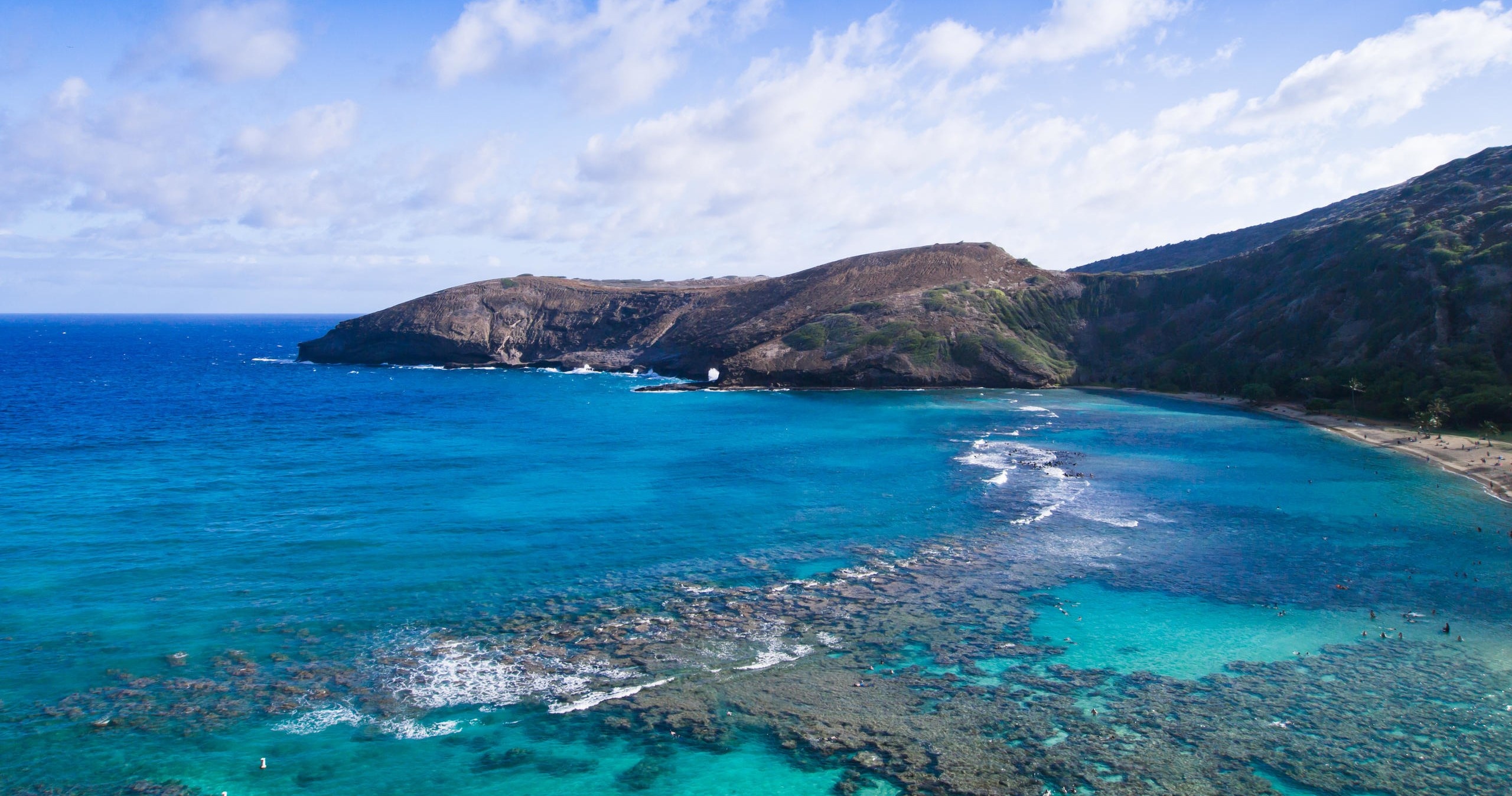
Waikiki and Honolulu Harbor are primary hubs, with some trips launching near Hanauma Bay.

Accessibility

Confirm the vessel

Gangways, shaded seating, and boarding requirements vary according to vessel size and operator.
Seasonal planning

Best Time to Visit

Keaukaha is warm year-round, but wind, swell, migration, visibility, and demand change the best match between traveler and trip.

Keaukaha boat tour
Year-round destination

Seasonal highlights change the reason to go

Winter favors humpback encounters; warmer, calmer months favor snorkeling visibility and smoother water.

Humpback season

Holiday travel and winter months (mid-December through March) draw more visitors, particularly for whale season and holiday vacations.

Prime whale watching, winter holidays, higher demand, and earlier sell-outs.

Snorkeling window

April–May–June–September–October–November

Typically gentler seas and clearer water for snorkeling trips.

Weather notes

Trade winds year-round

Keaukaha sits in a humid, verdant corner of the island—trade winds and brief afternoon showers are common year-round. Spring and early fall generally provide a balance of lower rainfall and comfortable temperatures. Winter brings bigger swell on exposed shores and more frequent storms, while summer can be warmer and drier inland.

Quieter opportunities

Late spring & summer weekdays

Late spring and early fall offer fewer crowds and better availability for private or small-group tours; occasional rain reduces visibility but enhances waterfall flows and rainforest color.

Match the trip to your comfort

Choose Your Experience Level

Low effort

Beginner

Fully guided, low-impact routes with short walks and frequent on-board interpretation—ideal for families, older travelers, and those looking for accessible sightseeing.

  • Coastal cultural loop with narrated stops
  • Botanical garden and shoreline overlook tour
  • Short waterfall viewpoint shuttle
Active day trip

Intermediate

Half-day or full-day tours that include brief guided hikes, multiple off-bus stops, and opportunities to combine beach time or a light snorkel session.

  • Volcano-country scenic tour with short trail access
  • Coast-to-garden loop with roadside market stop
  • Sunset coastal drive with a brief evening walk
Longer or technical

Advanced

Longer, specialized itineraries requiring more mobility—private charters or multi-stop days that may include active lava-region overviews, extended hikes with bus drop/pickup logistics, or photography-focused routes.

  • Private charter for remote waterfalls and backroads
  • Photography-focused volcano and coastline circuit
  • Full-day combination with guided hike and marine wildlife viewing

Prepare for sun, spray, and swell

What to Bring

Essential

Core kit

  • Light rain jacket or windbreaker
  • Comfortable shoes for short on/off-bus walks
  • Reusable water bottle
  • Sun protection (hat, sunscreen)
  • Small daypack for personal items
Recommended

Useful extras

  • Camera or phone with extra storage
  • Light layers for cooler, foggy upland stops
  • Motion-sickness remedy if you’re prone
  • Cash for roadside vendors and tips
Optional

Trip-specific

  • Binoculars for seabird and coastline viewing
  • Compact umbrella for transfer between bus and viewpoint
  • Swimwear and quick-dry towel for tours that include beach stops
Check weather and volcanic advisories the morning of your tour; conditions can change quickly.

Insider Tips & Local Knowledge

Reserve whale-watching and popular sunset cruises well ahead during December–April.
Choose morning snorkeling departures for calmer seas and better underwater visibility.
For motion sensitivity, choose a larger vessel, sit mid-ship, and take preventative medication before boarding.
Do not touch coral or wildlife, avoid standing on reefs, and use reef-safe sunscreen.
Community-based operators may add context about traditional navigation and stewardship.
Arrive early for parking and check-in because Waikiki departure areas can be busy.

Planning questions

Frequently Asked Questions

Routes vary. Some bus tours remain on safe, established viewpoints and coastal access points; active lava viewing depends on current volcanic activity and access restrictions—operators will adjust itineraries according to official safety advisories.
Top 8 Bus Tours in Keaukaha, Hawaii
Ready for your bus tour adventure?

Browse 8 verified trips in Keaukaha.

Compare current availability and book with instant confirmation.

Explore Keaukaha bus tour