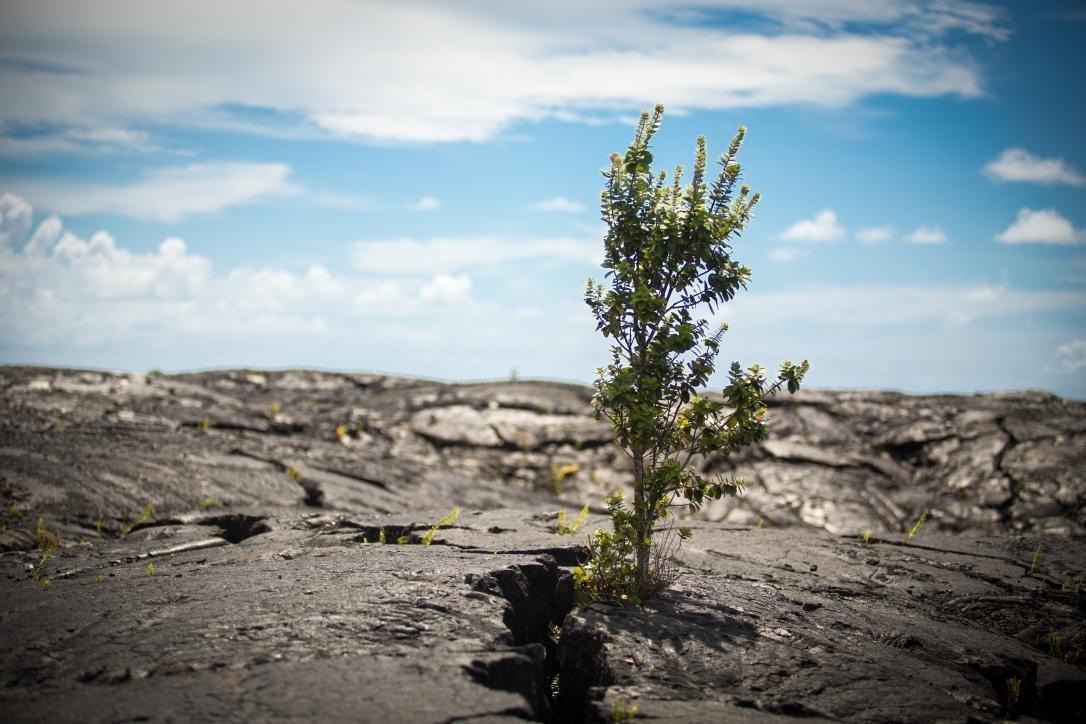
Why Keaukaha Is a Standout Place to Hike
Keaukaha sits on the eastern edge of Hilo Bay where everyday life is punctuated by the steady audio of ocean surf and the scent of wet earth. Hikes here rarely require a long drive—trails begin under coconut palms beside neighborhoods and finish at lava shelves where the ocean hisses against black rock. That immediate contrast—lush, rain-fed vegetation backing up to raw volcanic coastline—creates a hiking experience that feels both intimate and elemental. When you set out from a small park or a street-end, you aren’t walking away from civilization as much as stepping sideways into an older landscape: reef flats that hold tidepool ecosystems, narrow tracks tracing ancient ahupuaʻa boundaries, and stretches of pahoehoe and ʻaʻā that record the island’s volcanic prose in texture and tone.
The terrain is unusually variegated for such a compact area. Expect well-maintained paved promenades and park paths that are ideal for families and morning walkers, granite-like lava shelves that demand deliberate foot placement, and short offshoots into hammock-like pockets of rainforest where showers drop quickly from the trade winds. On any given route you can cross from sun-baked coastal rock into a cool, fern-draped gulch in the space of a few minutes. That microclimate volatility is part of Keaukaha’s charm—and its planning imperative. Hikers here succeed by packing for sun, rain, and salt-lashed wind in a single day.
Culturally, Keaukaha is not a museum. It is a lived place: local fishermen checking lines, kids playing at the beach park, elders walking the shoreline. Hikes that pass through neighborhood access points offer a chance to observe daily Hawaiian coastal life and, if you’re respectful and curious, to learn. The coastline itself holds stories—submerged reef, traditional fishing spots, and scattered wahi pana (storied places) where local knowledge about tides and currents matters. That context colors every step and rewards a slower pace. Rather than chasing altitude or remoteness, Keaukaha hiking privileges detail: the call of an `elepaio in a roadside tree, the glassy mirror of a tidepool full of opihi and limpets, and the thin, distant line of rain pushing across the ocean.
For planners, Keaukaha is accessible. Trails don’t demand multi-day logistics, most routes are near parking and transit, and many options are ideal for sunrise or short evening walks. But conditions—sharp lava, unpredictable surf, and sudden showers—mean preparation is not optional. Footwear with good grip, water, and an eye on tide charts and weather are the small investments that turn a visit into a memorable, safe hike. Because Keaukaha’s hikes are mosaic—part nature, part neighborhood—they pair well with complementary activities: early-morning snorkeling at nearby tidepools, birdwatching in the nearby wet gulches, or a slow café breakfast in Hilo after a bracing shore walk. That variety, more than anything, explains why hikers who come for the coast leave having discovered a layered, hospitable corner of Hawaiʻi Island.
Short coastal routes and neighborhood paths make Keaukaha especially friendly to families and casual hikers.
Lava-shelf scrambles offer a technical texture that requires attention to footwear and tide knowledge rather than long approaches.
The harbor is the gateway, and the Pacific becomes the classroom.
The proximity to Hilo means easy logistics—supplies, transit, and post-hike meals are minutes away.
Respect local customs and marine life—tidepools are fragile and many coastal areas are culturally significant.
Choose by purpose
Whale watching, snorkeling, sunset sailing, cultural canoeing, harbor sightseeing, or private chartering.
Start near the city
Waikiki and Honolulu Harbor are primary hubs, with some trips launching near Hanauma Bay.
Confirm the vessel
Gangways, shaded seating, and boarding requirements vary according to vessel size and operator.