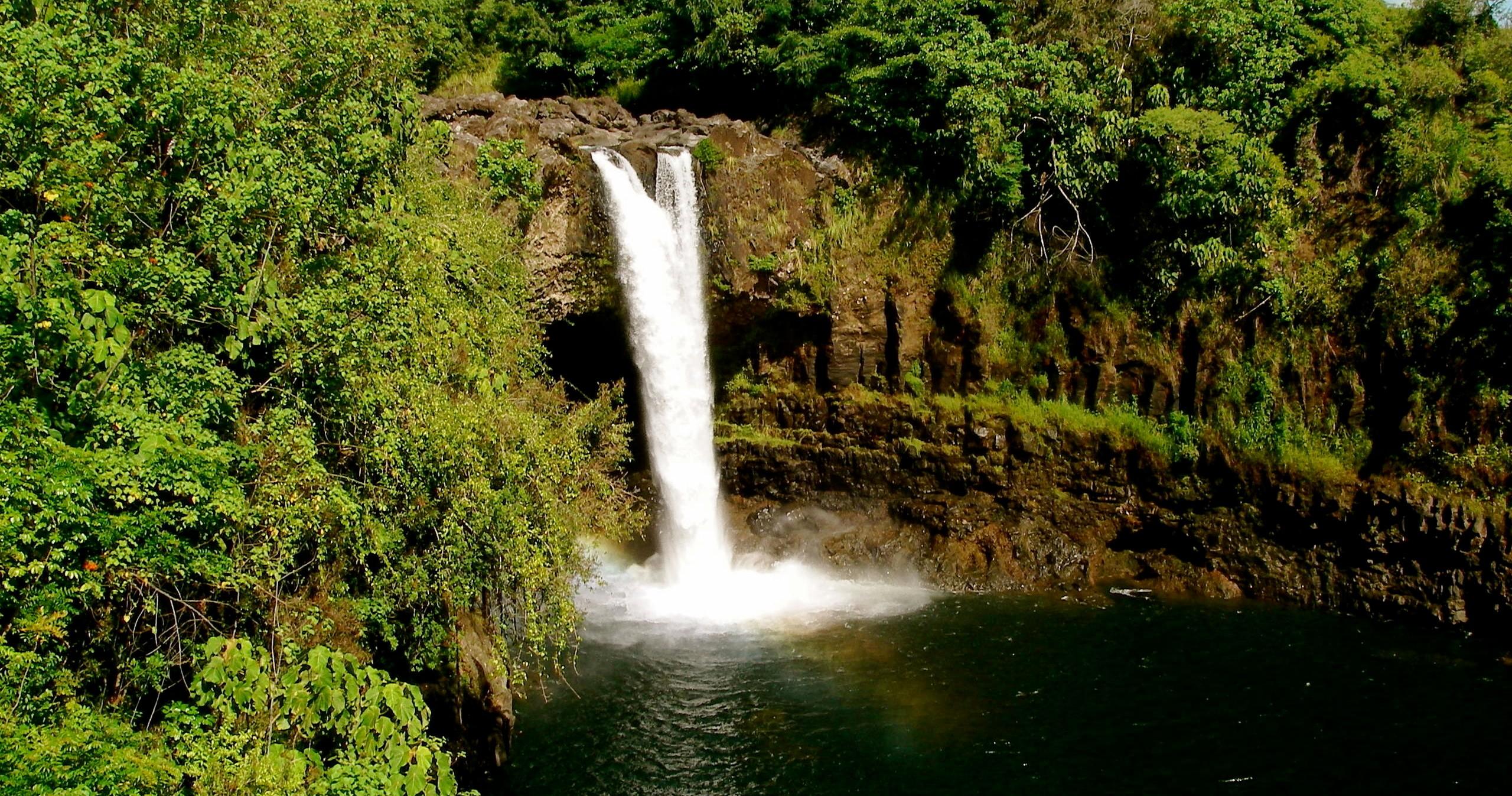
Ziplining in Keaukaha reads like a condensed travel narrative: from the moment you clip in, speed becomes a new way to read the coastline. This pocket of Hilo faces the open Pacific and a landscape still shaped by lava, seasonal streams, and a rainforest canopy that reaches the shoreline. Operating ziplines here tend to play with vertical contrast — high runs above coastal valleys, mid-elevation canopy traverses through native trees, and shorter, technical zips that cross gulches carved by rain. The result is an experience that feels simultaneously wild and composed: you get the adrenaline of speed with a front-row seat to geology, hydrology, and birdlife.
What sets Keaukaha apart from other Hawaiian zipline areas is the immediacy of the environment. You are rarely far from the sound of surf or the smell of salt; yet inland pockets collect moisture and host dense understory growth, creating a compact, layered landscape. Many operators in the region emphasize interpretive guiding — expect talk of volcanic flows that shaped the cliffs you fly over, the plants returned after lava cooled, and local cultural touchstones tied to the land and sea. That blend of natural history and local knowledge elevates what might otherwise be a pure thrill activity into a short, immersive course in place-based storytelling.
Practically, Keaukaha's ziplines are ideal for travelers who want high-impact outdoor moments without a full-day commitment. They slot neatly into itineraries that also include waterfall hikes near Hilo, snorkel or surf sessions along calmer coves, and visits to cultural sites like local markets or heiau. Because the island's wet climate can be fickle, many outfitters design courses that maintain safety and visibility in variable weather; still, rainfall changes the tone of a flight, turning a sunlit run into a spray-scented dash through mist. For photographers, the contrasting lighting between ocean and forest creates dramatic frames — sail over a valley at the right hour and you'll have shot-worthy panoramas that feel almost cinematic.
Beyond the immediate sensory experience, ziplines in Keaukaha play a role in local eco-tourism. Responsible operators work with land managers on erosion control and trail routing, and many include native-plant restoration or interpretive moments that connect guests to Hawaiian place names, cultural practices, and stewardship efforts. For visiting adventurers, that means your ride can be both thrilling and quietly educational: you leave not just with a memory of speed, but with a clearer sense of why this stretch of coastline matters ecologically and culturally.
Ziplines here vary from short ‘introductory’ runs for families to long canopy circuits that emphasize sustained views and interpretive stops. Many courses are built around natural features — ridgelines, gulches, and old lava flows — so the sequence of zips often reads like a geology lesson punctuated by thrills.
Weather is the primary variable—Hilo’s side of the island receives more rain than Kona, so expect wet-season surprises. Operators adapt with robust safety protocols, but flexible scheduling and a calm attitude toward weather will improve the experience.
Choose by purpose
Whale watching, snorkeling, sunset sailing, cultural canoeing, harbor sightseeing, or private chartering.
Start near the city
Waikiki and Honolulu Harbor are primary hubs, with some trips launching near Hanauma Bay.
Confirm the vessel
Gangways, shaded seating, and boarding requirements vary according to vessel size and operator.