Top 15 Dolphin Experiences in Kit Carson, California
Kit Carson Dolphin Guide

Top 15 Dolphin Experiences in Kit Carson, California

Kit Carson’s coastline folds into a corridor where warm and cool currents meet—an energetic highway for dolphins. This guide profiles the 15 best ways to meet these marine mammals responsibly: from calm sunrise cruises and shore-based vantage points to guided kayak outings and small-group photo charters. Expect practical planning tips, seasonality cues, and ethical viewing practices to help you turn an encounter into a meaningful coastal memory.

Nearshore PacificRocky HeadlandsTidepool Coast

Live destination inventory

Top Dolphin Trips in Kit Carson

15 trips · Book with confidence · Instant confirmation

The prototype intentionally does not invent replacement trip cards or add images that are not already part of the live source page.

The city from the water

Why Dolphin Watching in Kit Carson Feels Like a Quiet Discovery

On a clear morning in Kit Carson, the ocean appears to be writing and erasing a hundred little notes—sudden silver flashes, the soft hollow whump of an exhalation, the wake of a pod cutting a blue line across the bay. Dolphin encounters here are rarely posed spectacles; they are improvisations, intimate and unpredictable. The coastal shelf off Kit Carson is a mosaic of kelp beds, sandbars, and rocky points that funnels baitfish and krill, and where prey gathers, curious dolphins often follow. That ecological choreography is what makes this place compelling for travelers: the landscape and seascape combine to create repeated, quiet opportunities to witness intelligent marine life behaving on its own terms. This is not a guide about chasing photos at any cost. It’s a manual for thoughtful presence—how to pick a morning with glassy water, how to read surf and seabird behavior as signposts for activity, and how to choose operators and modes of travel that reduce stress on the animals. Kit Carson’s dolphin offerings range from accessible shorewatch spots—headlands and low cliffs with binocular-friendly sightlines—to more involved small-boat tours that hug the nearshore contour and limit crowding. For those seeking a more intimate approach, sit-on-top kayak outings and guided paddle trips let you share the water with passing pods at a respectful distance, though these come with stronger physical demands and an emphasis on operator experience and safety. Culturally, the coastline has been part of local fisheries and seaside communities for generations—so conversations about sustainable viewing often overlap with broader dialogues about marine stewardship, fishing practices, and habitat protection. Guides in Kit Carson commonly double as marine interpreters, explaining how seasonal upwelling, water temperature, and even moon phase can influence where dolphins will be found. Complementary adventures—tidepool explorations, seabird walks, and whale-watching charters—fit naturally into a dolphin-focused itinerary and give context to the broader marine ecosystem. Practically speaking, the best encounters happen when sea conditions are calm and early light flattens the water. Avoiding peak tourist hours improves the experience for everyone—less engine noise, fewer duplicate passes, and more room for natural behavior. Whether you arrive geared for a polished photo charter or a slow, contemplative shoreline watch, Kit Carson rewards patience: dolphin encounters here are less about spectacle and more about learning to read the water and listening to the small, precise rhythms of coastal life.

Dolphins in this region are often seen in mixed-age pods that display a mixture of foraging strategies—bait-ball corralling, synchronized swimming, and occasional breaching. Local guides emphasize watching behavior over ticking species boxes; the way dolphins hunt, travel, or rest tells you more about their needs than a single photograph.

Complementary activities—sea kayaking, coastal hikes, tidepooling, and birding—turn a single dolphin sighting into a fuller day of coastal discovery. Many visitors pair a morning dolphin cruise with an afternoon hike along the headlands or a late-day visit to the marine interpretive center to deepen context.

The harbor is the gateway, and the Pacific becomes the classroom.

Responsible viewing is woven into the local tourism fabric. Operators in Kit Carson increasingly follow voluntary codes: slow approaches, engine-off observation when safe, and limiting vessel numbers near active pods. Asking your captain about their policies before booking is both practical and effective.

Activity focus

Choose by purpose

Whale watching, snorkeling, sunset sailing, cultural canoeing, harbor sightseeing, or private chartering.

Departure hubs

Start near the city

Waikiki and Honolulu Harbor are primary hubs, with some trips launching near Hanauma Bay.

Accessibility

Confirm the vessel

Gangways, shaded seating, and boarding requirements vary according to vessel size and operator.
Seasonal planning

Best Time to Visit

Kit Carson is warm year-round, but wind, swell, migration, visibility, and demand change the best match between traveler and trip.

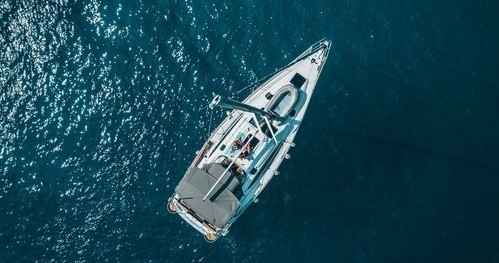
Kit Carson boat tour
Year-round destination

Seasonal highlights change the reason to go

Winter favors humpback encounters; warmer, calmer months favor snorkeling visibility and smoother water.

Humpback season

June through September—higher visitor numbers and increased boat tour scheduling can make advance bookings advisable.

Prime whale watching, winter holidays, higher demand, and earlier sell-outs.

Snorkeling window

May–June–July–August–September–October

Typically gentler seas and clearer water for snorkeling trips.

Weather notes

Trade winds year-round

Calm mornings and light offshore winds offer the clearest windows for dolphin sightings. Summer brings more predictable sea states but can also increase visitor traffic. Coastal fog can linger into the day in late spring and early summer; plan for cool, damp mornings.

Quieter opportunities

Late spring & summer weekdays

Late fall and winter can yield memorable, lower-traffic encounters on unusually calm days; some operators run reduced schedules but shorewatching and tidepooling remain accessible.

Match the trip to your comfort

Choose Your Experience Level

Low effort

Beginner

Minimal physical demand; ideal for families and casual travelers. Activities prioritize sightlines and comfort.

  • Shore-based headland viewing with interpretive signs
  • Large-group morning dolphin cruise with sheltered seating
  • Interpretive marine center visit combined with short coastal walk
Active day trip

Intermediate

Moderate physical involvement or longer outings. Best for travelers comfortable on small boats or with basic paddling experience.

  • Small-group photo charter (half-day)
  • Guided sit-on-top kayak tour along the nearshore
  • Sunset wildlife cruise combining dolphin and seabird watching
Longer or technical

Advanced

More demanding outings requiring stamina, sea experience, or specialized gear; suitable for experienced kayakers, photographers, or researchers.

  • Multi-hour coastal kayak excursion across variable sea states
  • Dedicated wildlife photography charter with extended on-water time
  • Citizen-science or research-support outings (check operator prerequisites)

Prepare for sun, spray, and swell

What to Bring

Essential

Core kit

  • Binoculars or a zoom lens for wildlife viewing
  • Seasickness medication or patches if prone to motion sickness
  • Sun protection (hat, sunscreen, UV shirt)
  • Waterproof outer layer and windbreaker
  • Layered clothing—coastal mornings can be cool
Recommended

Useful extras

  • Polarized sunglasses to reduce glare and spot dolphins more easily
  • Small dry bag for phone, wallet, and camera gear
  • Reusable water bottle and light snacks
  • Compact telephoto lens or point-and-shoot with zoom for photo charters
Optional

Trip-specific

  • Tide table app for shore-based planning
  • Light kneepad or seat cushion for long shoreline watches
  • Field guide or app for local marine species
Check sea conditions, operator policies, and marine advisories before you go.

Insider Tips & Local Knowledge

Reserve whale-watching and popular sunset cruises well ahead during December–April.
Choose morning snorkeling departures for calmer seas and better underwater visibility.
For motion sensitivity, choose a larger vessel, sit mid-ship, and take preventative medication before boarding.
Do not touch coral or wildlife, avoid standing on reefs, and use reef-safe sunscreen.
Community-based operators may add context about traditional navigation and stewardship.
Arrive early for parking and check-in because Waikiki departure areas can be busy.

Planning questions

Frequently Asked Questions

Most casual shore-based viewing does not require a permit. Commercial tours operate under their own vessel regulations; special permits are not typically required for standard wildlife tours. Check with local authorities for any temporary restrictions.
Top 15 Dolphin Experiences in Kit Carson, California
Ready for your dolphin adventure?

Browse 15 verified trips in Kit Carson.

Compare current availability and book with instant confirmation.

Explore Kit Carson dolphin