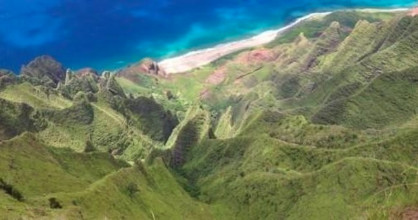
Kōloa feels like an invitation to walk: to move slowly along a coastline that alternates between broad white-sand beaches and raw, wind-polished cliffs; to descend into green sinkholes and valleys that once fed the island's plantations; to trace the same shorelines that fishermen, voyagers, and early settlers used for generations. The hiking here is intimate rather than alpine—mostly day hikes and coastal loops that reveal geological transitions, coastal ecology, and cultural markers with every bend in the path. Trails unfurl across limestone benches, through pockets of native vegetation, and along eroded cliffs dotted with seabirds and endemic plants. Because the terrain is low-elevation, hikes are accessible to many fitness levels, but conditions—sharp lava, narrow bluff paths, and tidal exposure—ask for attention and good footwear.
Walks around Kōloa are particularly satisfying when paired with other outdoor pursuits. A morning coastal hike often segues into an afternoon of snorkeling in Poʻipū or a late-day photo session at a bluff-strewn beach. Birders will find seasonal highlights on quiet dunes and in sheltered gulches; botanists and curious travelers will appreciate native plants and the marks of plantation-era landscape alterations. The area’s human story—Kōloa’s role in Hawaii’s sugar history, small fishing communities, and culturally significant shoreline sites—gives many trails an extra layer of meaning. Local land stewardship and fragile coastal ecosystems mean hikers should stay on designated paths and respect signage; in many places, trails double as living classrooms for conservation and cultural preservation.
Seasonality matters here. The south shore tends to be drier than Kauai’s north shore, but winter storms and high surf can make coastal paths hazardous, while summer brings intense sun and trade winds. Tidal rhythm influences route choice on shore-hugging trails; several scenic stretches can be impassable or dangerous at high tide. Planning around tides, starting early to avoid midday heat, and bringing reef-safe sunscreen are practical habits that enhance safety and preserve the environment. Ultimately, hiking in Kōloa rewards curiosity: short efforts yield layered coastal panoramas and quiet historical moments—perfect for day-trippers and those looking to thread their hikes into broader island adventures.
The coastline is the headline: Maha'ulepu and surrounding bluff trails offer the clearest sense of place—raw Pacific exposure, dramatic rock formations, and access to hidden coves.
Kōloa's valley and plantation-era landscapes provide shaded walks and glimpses into the island's cultural and agricultural past; these routes pair well with visits to local farms, markets, and craft stops.
The harbor is the gateway, and the Pacific becomes the classroom.
Because most hikes are low-elevation, they are approachable year-round, but conditions change fast—check surf and tide forecasts for coastal routes and expect slick limestone or muddy stretches after rain.
Choose by purpose
Whale watching, snorkeling, sunset sailing, cultural canoeing, harbor sightseeing, or private chartering.
Start near the city
Waikiki and Honolulu Harbor are primary hubs, with some trips launching near Hanauma Bay.
Confirm the vessel
Gangways, shaded seating, and boarding requirements vary according to vessel size and operator.