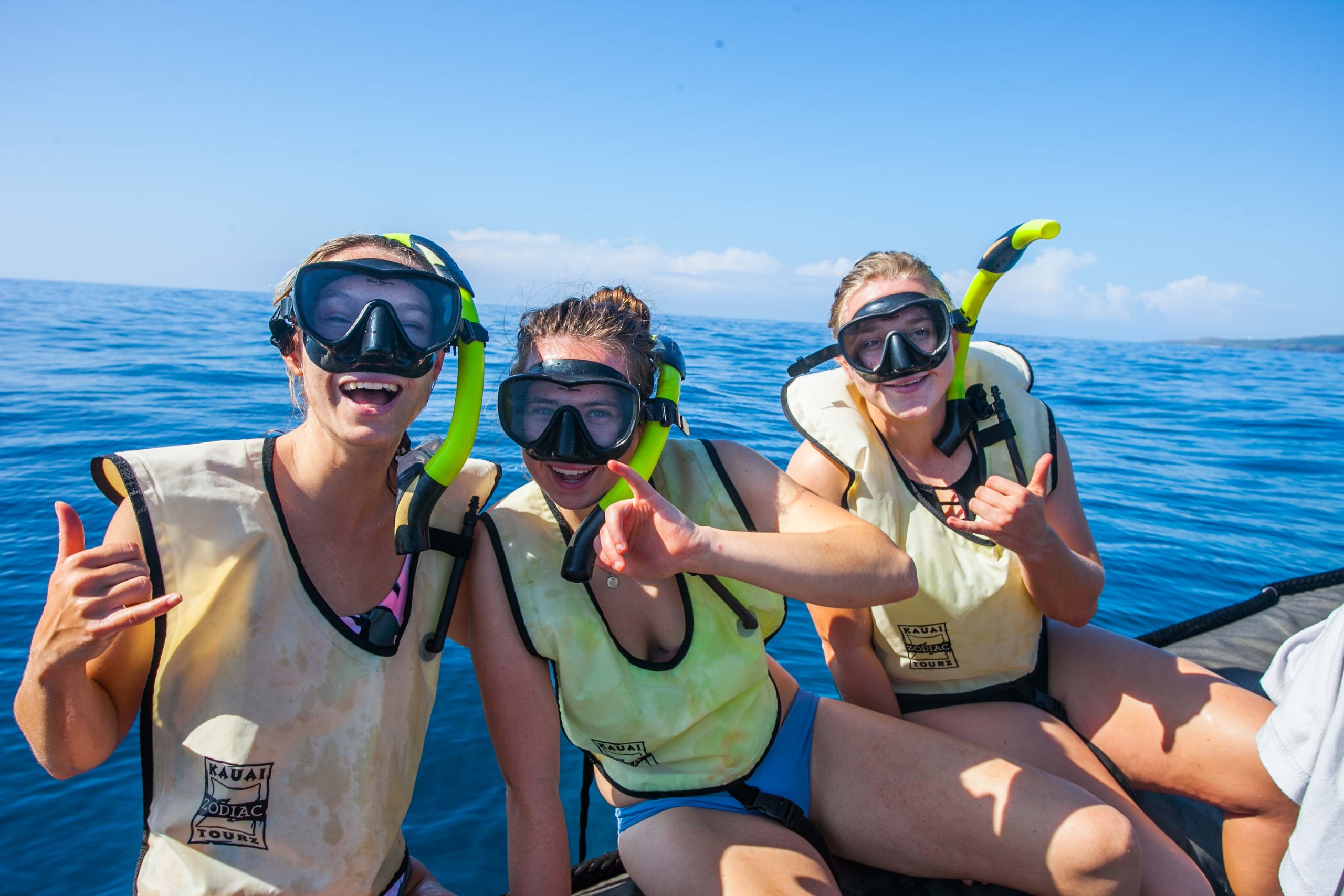
Kōloa’s coastline is a compressed lesson in tropical marine variety: shallow fringing reef, pocketed coral gardens, and reef channels that funnel nutrient‑rich water and bring life close to the surface. The south shore’s exposed reefs break larger ocean energy offshore, creating calmer, sand‑bottomed lagoons and protected coves ideal for masked exploration. When the trade winds lull and the swell eases—most reliably in late spring through early fall—the water clarity around Poʻipū and nearby beaches often rivals the best in the state. You’ll see large members of the reef community here: grazing green sea turtles, schools of sergeant majors and parrotfish, and the occasional moray or squid slipping between coral fingers.
But snorkeling in Kōloa is more than a list of species. The shoreline is shaped by ancient lava flows and centuries of human stewardship; near‑shore channels and fishponds speak to Hawaiian knowledge of tides and fish behavior. That cultural layer is visible in small ways—place names, shoreline terraces, and local advocates who work to protect reef health. For a visiting snorkeler, that means the experience carries both natural spectacle and cultural context: you’re looking at living systems long tended by islanders and now managed through a patchwork of state marine reserves, county rules, and community stewardship.
Practically, Kōloa caters to a wide range of skill levels. Beginners can ease into shallow reefs off Poʻipū Beach with gentle sand entries and large, approachable turtles. Intermediate snorkelers will find value in short boat runs to offshore reef heads or guided tours that drift along the edge of underwater drop‑offs. Advanced snorkelers and freedivers can plan charters toward deeper reefs, channel drifts, and seasonal manta or squid gatherings—though these require calm sea conditions and an experienced skipper. Complementary activities—kayaking to quieter coves, a sunset hike along the coastline, or a boat trip to the Nā Pali cliffs—round out the day so you leave the water with both a marine memory and a sense of place.
Above all, Kōloa’s best underwater moments depend on timing and local knowledge: mornings deliver the calmest seas, tides define how much reef is exposed, and reef etiquette keeps wildlife wild. Plan around those rhythms and you’ll find snorkeling here is at once accessible, reliably rewarding, and quietly powerful.
Poʻipū is the snorkeling hub: easy parking, clear shallow reefs, and frequent turtle sightings make it ideal for families and first‑time snorkelers.
Boat and guided options extend access to deeper, less‑visited reefs—important during winter swell or when shore entries are rough.
Choose by purpose
Whale watching, snorkeling, sunset sailing, cultural canoeing, harbor sightseeing, or private chartering.
Start near the city
Waikiki and Honolulu Harbor are primary hubs, with some trips launching near Hanauma Bay.
Confirm the vessel
Gangways, shaded seating, and boarding requirements vary according to vessel size and operator.