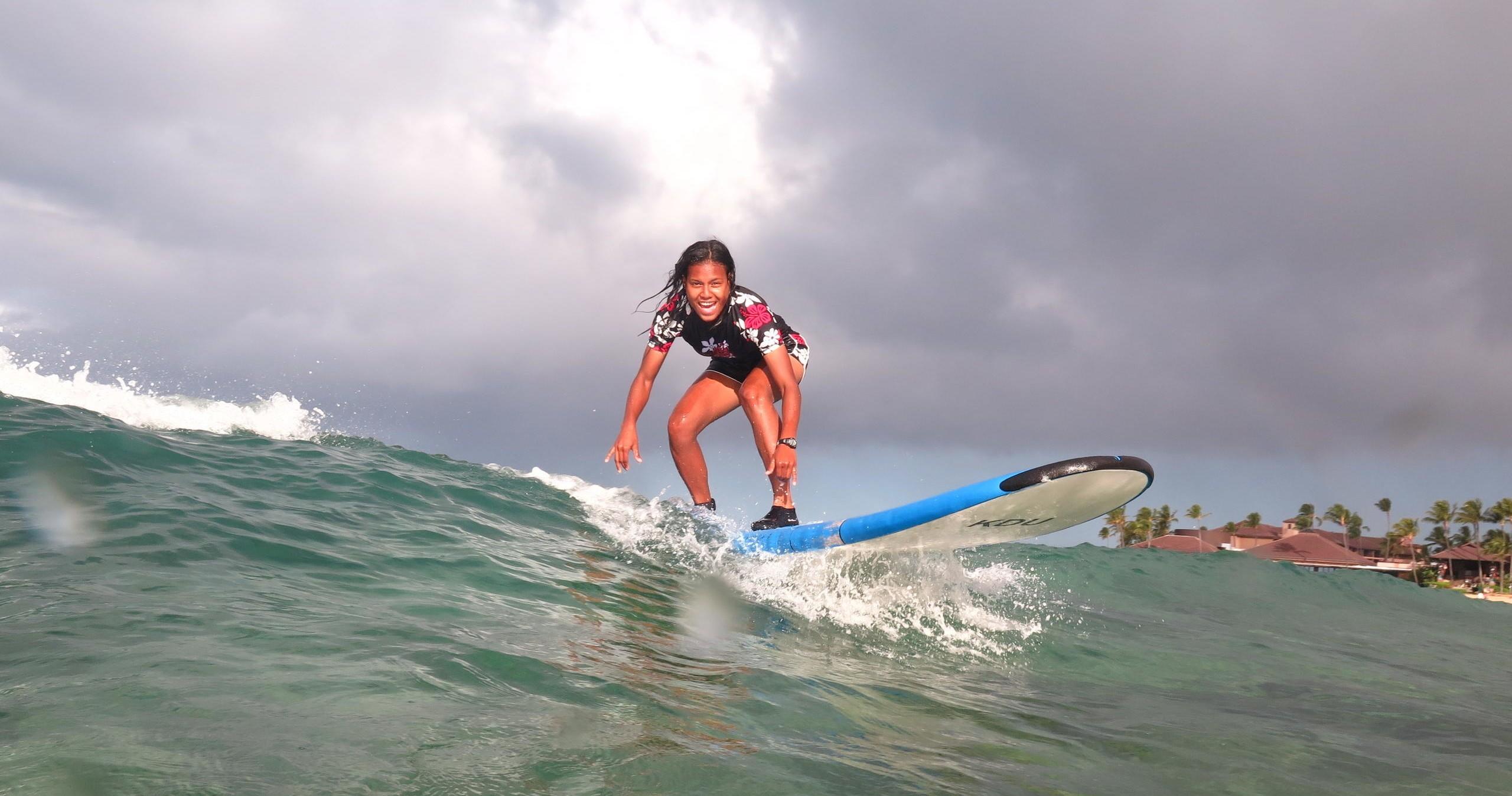
On Kauaʻi’s south shore the ocean behaves like a storyteller—its chapters written by swell angle, tide, and reef. Kōloa is where those stories become accessible. The coastline is a close-knit sequence of beaches and rocky points that translate the Pacific’s energy into wave types that suit a wide range of surfers. In the same morning you can session mellow, waist-high rollers teaching you the basics, then watch the horizon recompose into a clean, hollow series for experienced shortboarders as the swell and tide align. The water is warm year-round; currents and reef structure are the real tutors. Spot selection matters here: sandier pockets offer forgiving takeoffs and safer beach entries for learners, while shallow reef passes and point breaks produce faster, more technical rides for the practiced.
Culturally, surfing is woven into daily life. Local surf etiquette—yielding priority, respecting lineups, and giving room—is as important as knowing the tide chart. Respect for the reef and marine life is part of that etiquette, too: coral is living infrastructure that shapes wave patterns and supports the coastal ecosystem. Kōloa’s surf scene is quieter than Oʻahu’s North Shore spectacle but no less committed. You’ll find a mix of visiting instructors, family-oriented lessons at protected beaches, and local regulars charging the better days. That mix makes Kōloa attractive for travelers who want the authenticity of a working surf community without the congestion of bigger hubs.
Practical accessibility is another advantage. Many key beach breaks are a short drive from the historic plantation town, parking rarely requires an all-day hunt, and surf shops and rental outlets in Poʻipū keep logistics simple. If you’re planning a lesson, surf schools here favor small groups and teach reef awareness alongside basic technique—an essential combo given the area’s coral formations. Off-water, Kōloa offers complementary experiences that pair well with surf rhythms: wake up for a dawn session, then snorkel a nearby marine preserve or take a coastal hike that doubles as an active recovery day. Food options lean island-fresh—poke bowls, shave ice, and robust breakfasts—that refuel you without fuss.
Seasonality guides expectations more than rules. Winter months bring bigger, more powerful swells from the north and northwest that sometimes wrap into the south shore with enough southerly component to light up exposed reef. Summer calms the lines and fills in gentler south swells, ideal for progression and for families. Tides influence everything—many reef breaks only ride right at mid to high tide—so a good tide chart and local beta are indispensable. Finally, environmental stewardship shapes a safe and sustainable trip: reef-safe sunscreen, awareness of rip current signals, and an ethic of leaving the shore cleaner than you found it will keep Kōloa’s waves healthy and accessible for the next tide.
Varied wave palette: sandy beach breaks for beginners, protected coves for lessons, and reef passes/points for advanced surfers.
Compact logistics: short drives between spots, local shops for rentals and lessons, and easy access to food and lodging in Poʻipū.
The harbor is the gateway, and the Pacific becomes the classroom.
Year-round warmth with seasonal swell patterns—plan around winter’s punch and summer’s mellow consistency.
Strong local surf etiquette and reef stewardship—respect the lineup and protect coral habitats.
Choose by purpose
Whale watching, snorkeling, sunset sailing, cultural canoeing, harbor sightseeing, or private chartering.
Start near the city
Waikiki and Honolulu Harbor are primary hubs, with some trips launching near Hanauma Bay.
Confirm the vessel
Gangways, shaded seating, and boarding requirements vary according to vessel size and operator.