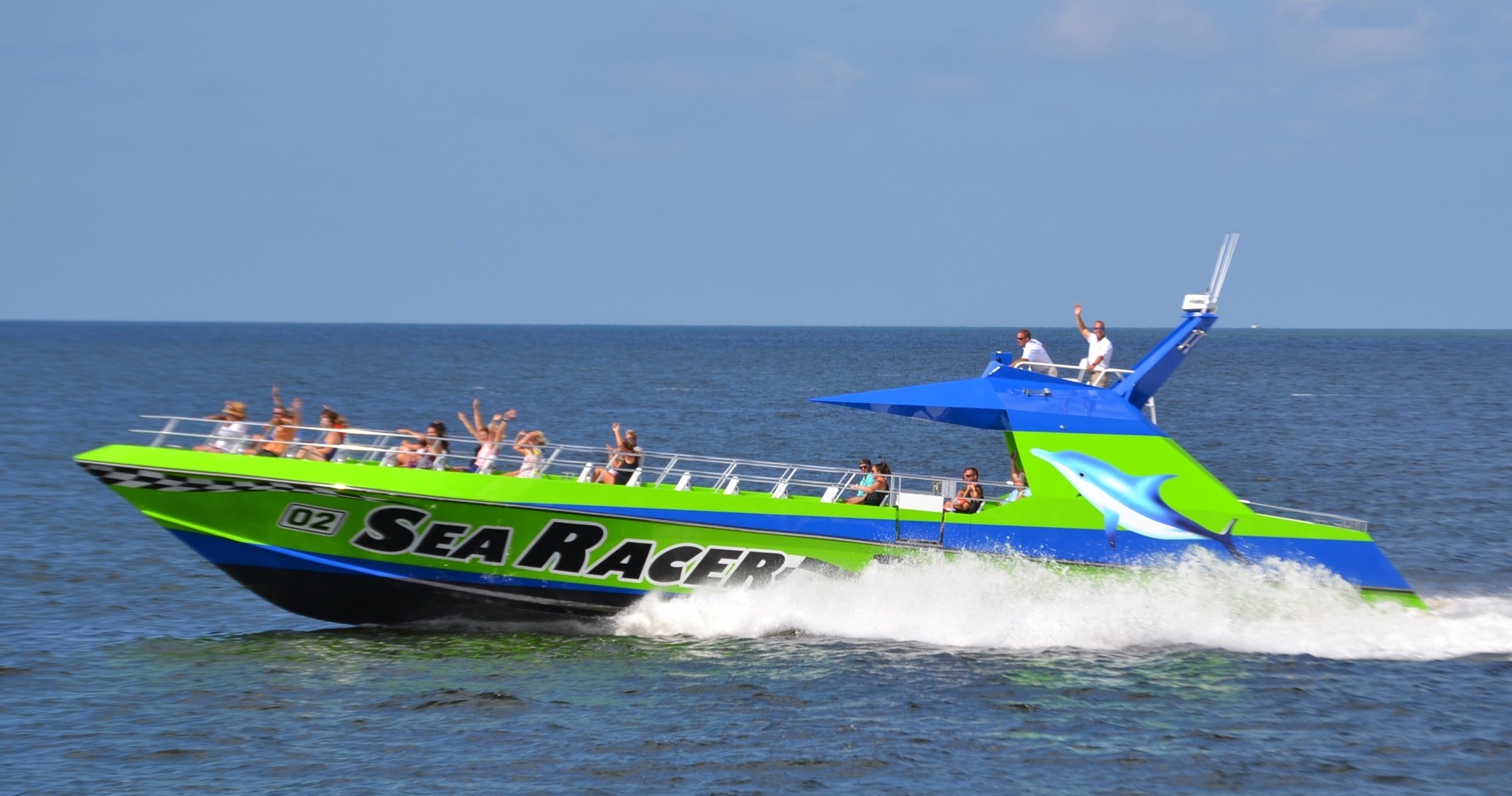
Lake Waccamaw’s low, soft horizons and mirrored water invite quiet, reflective outings: canoeing at dawn, bird songs over cypress knees, and the patient art of watching light move across the lake. Those same qualities make it an unlikely place for marine dolphins. Bottlenose dolphins are coastal, saltwater animals adapted to estuaries, sounds, inlets, and open ocean. Their physiology and food web tie them to brackish and saline environments, not isolated freshwater lakes born from Carolina Bay geology.
That ecological fact doesn’t diminish the appeal of dolphin-watching for visitors who make Lake Waccamaw home base. The lake’s position in southeastern North Carolina places coastal inlets and estuarine systems within practical reach for day trips—where dolphins congregate to feed, socialize, and ride tidal currents. For travelers who love the deliberate pace of the lake, combining inland calm with a short excursion to the coast offers a satisfying contrast: a morning paddle among pond lilies and a late-afternoon boat tour listening for the slap of a dolphin’s rostrum on the water.
More than checklist tourism, this hybrid approach lets you appreciate distinct ecosystems: freshwater Carolina Bay ecology at the lake, and saltwater estuary dynamics where dolphins hunt and play. The guide that follows focuses on realistic planning for dolphin encounters sourced from Lake Waccamaw—how to choose a reliable operator, what seasons favor sightings, what to pack, and how to protect local habitats. It also points to complementary outdoor activities that make a dolphin trip part of a richer, responsible itinerary: kayak trips through tidal creeks, birding along salt marsh edges, and exploring barrier-island beaches. Expect practical advice over romantic promises—dolphins are wild and sightings are never guaranteed—but with good timing, reputable guides, and respect for wildlife, you can add a thrilling marine chapter to a Lake Waccamaw stay.
Dolphins are not native to freshwater lakes like Lake Waccamaw; their presence in this guide is treated as a nearby coastal experience accessible to travelers staying in the lake region.
Combine inland recreation—kayaking, shore fishing, and nature photography—with a coastal day trip for the best chance at dolphin encounters and a fuller appreciation of southeastern North Carolina ecosystems.
The harbor is the gateway, and the Pacific becomes the classroom.
Choose operators that emphasize wildlife-first viewing ethics: distance, no feeding, and minimal disturbance. Local guides who read tides and fish behavior will offer the most reliable outings.
Choose by purpose
Whale watching, snorkeling, sunset sailing, cultural canoeing, harbor sightseeing, or private chartering.
Start near the city
Waikiki and Honolulu Harbor are primary hubs, with some trips launching near Hanauma Bay.
Confirm the vessel
Gangways, shaded seating, and boarding requirements vary according to vessel size and operator.