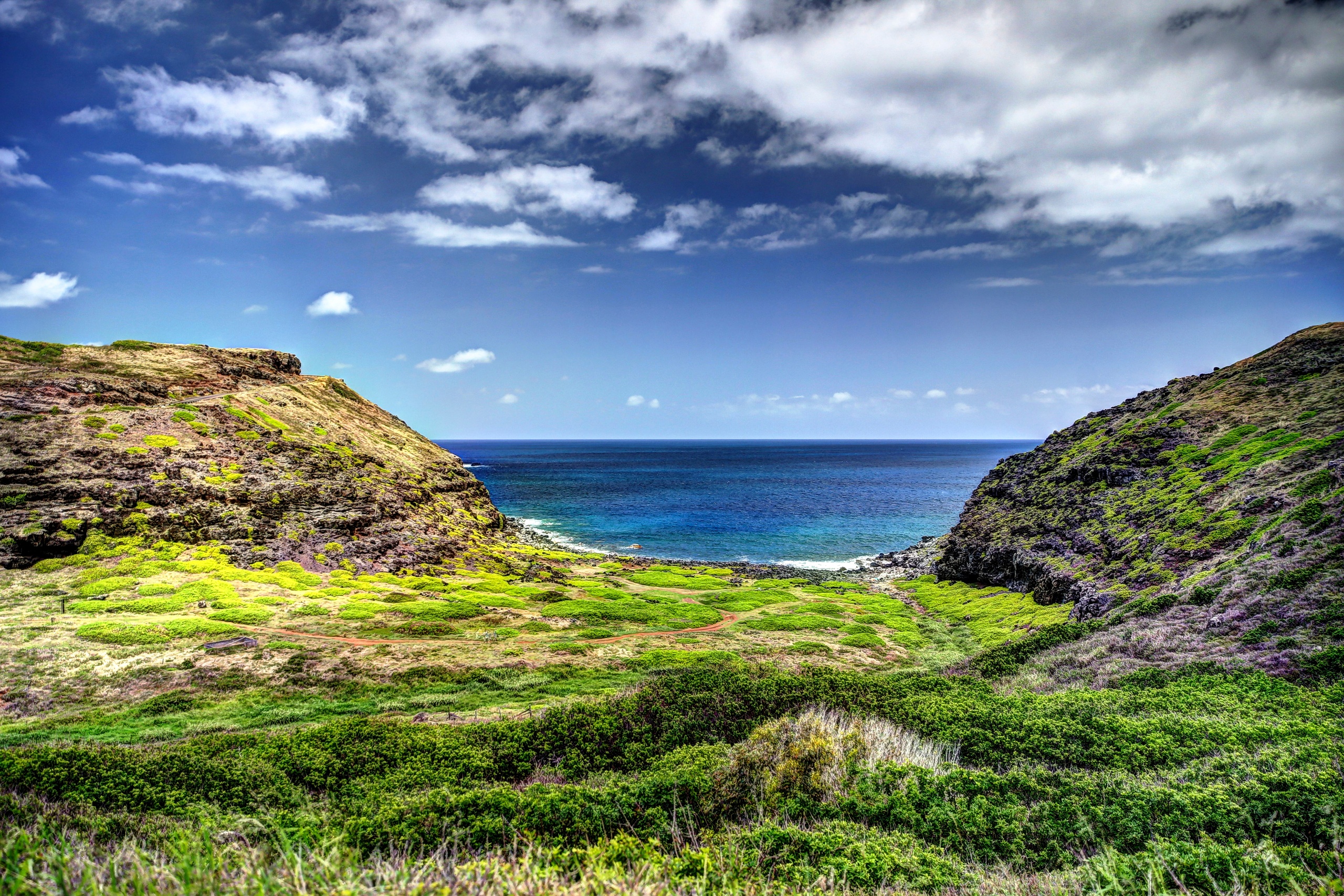
Why Lanai City Is a Unique Sightseeing Base
Lanai City feels like a story told in small chapters—each street and shoreline a vignette that opens slowly, inviting a careful reader. For travelers drawn to sightseeing tours that favor texture over ticks on a checklist, Lanai is precisely that: compact enough to explore without a map-heavy itinerary, but layered enough to reward curiosity. The town itself is a walkable artifact of plantation-era Hawaii, with a tidy grid of low-slung buildings, a central square where locals and visitors converge, and a handful of cafés and galleries that translate island history into present-day craftsmanship. The pleasure of sightseeing in Lanai City is often less about reaching a single, famed viewpoint and more about stitching together experiences—an hour with a local guide who explains the island's pineapple and ranching past, a mid-morning coffee on a shady bench, then an afternoon spent watching the light shift over the alien rock forms of Keahiakawelo.
Beyond the town limits, sightseeing tours become kinetic: a short drive brings you to Shipwreck Beach, where the inert silhouette of an old hull punctuates a raw coastline and the ocean’s work is visible in every eroded outcrop. Inland, the Garden of the Gods offers a lunar-like landscape of tilted basalt and weather-sculpted pinnacles that make for arresting photography and an unforgettable off-road journey. On the south shore, Manele Bay and Hulopoe Bay frame quieter marine sightseeing—boat tours and glass-bottom excursions translate coral gardens into accessible wonder for non-divers, while shoreline walks and tidepools give interested visitors tactile ways to connect with coastal ecology. Sightseeing on Lanai is practical in a way that keeps planning simple: short transfer times, predictable logistics (ferry or short flight in, rental car or tours out), and a scale that rewards daytrips. Yet it is also richly contextual: each waypoint intersects with cultural history, native flora and fauna, and decades of human adaptation to the island’s arid, wind-sculpted climate.
For travelers who like their viewpoints served with context, Lanai City’s tours emphasize storytelling as much as scenery. Guides weave Hawaiian language, plantation history, and natural history into routes that can be tailor-made—gentle town walks for morning light, full-day 4x4 circuits to remote coasts, or combined sea-and-land itineraries that show how this small island holds a cross-section of Hawaiian environments. Sightseeing here is refreshingly accessible: you can see a surprising amount in a single day without feeling rushed, and you can dive deeper the next. That combination—compact scale, varied terrain, and an interpretive approach from guides—makes Lanai City ideal for travelers who prize meaningful, manageable sightseeing over headline-driven tourism.
The island’s small size is an advantage: transitions between cultural sites, rugged coastlines, and marine viewpoints are short, allowing for mixed-mode sightseeing—walks, 4x4 trips, and short boat rides—within the same day.
Because Lanai has fewer visitors than larger Hawaiian islands, tours feel intimate. Local guides often double as storytellers, blending natural history with anecdotes about plantation life, ranching, and modern conservation efforts.
Choose by purpose
Whale watching, snorkeling, sunset sailing, cultural canoeing, harbor sightseeing, or private chartering.
Start near the city
Waikiki and Honolulu Harbor are primary hubs, with some trips launching near Hanauma Bay.
Confirm the vessel
Gangways, shaded seating, and boarding requirements vary according to vessel size and operator.