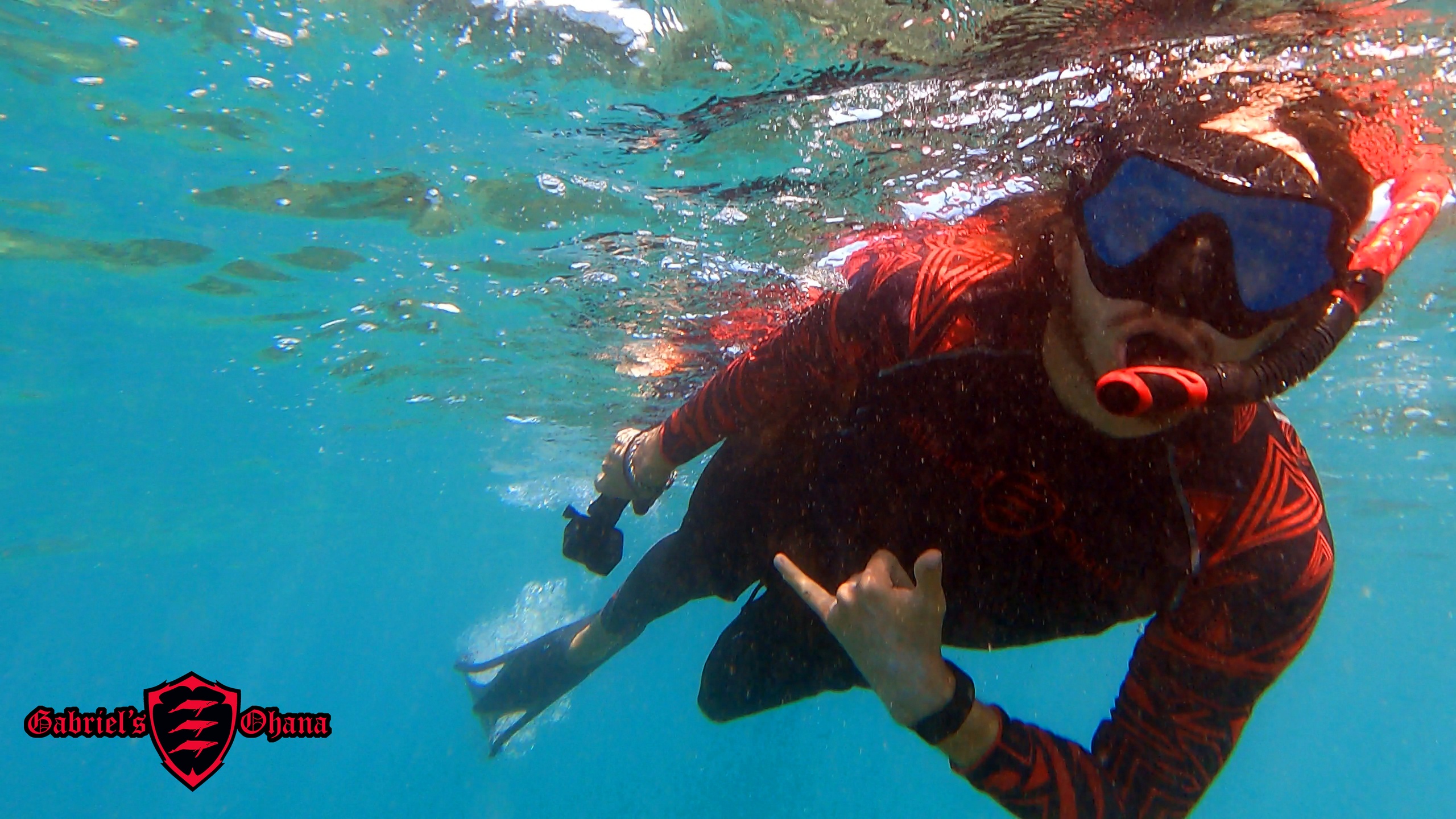
Lanai is the kind of island that rewards attention. Small enough to feel intimate, it wears the ocean on its sleeve: reefs tucked into rocky coves, a crescent of protected water at Hulopoe, and offshore ledges where fish congregate like commuters at a station. Snorkeling here reads like a lesson in Hawai‘i’s shallow-water ecology—patch reefs threaded with finger corals, gardens of branching and massive corals, and a cast of reef fish that move through the scene with calm confidence. The best snorkeling is often deceptively close to shore. Walk-in access at Hulopoe Bay gives you the rare pleasure of stepping from sand into visibility and immediately finding yourself surrounded by surgeonfish, parrotfish, and darting chromis.
But Lanai’s marine charm is more than coral and fish. The island occupies a particular niche in Hawaiian environmental history: once dominated by pineapple plantations, Lanai’s quieter modern chapter has allowed reefs to rebound in places. That relative solitude—not the neon-busy reefs of larger islands—creates encounters that feel personal. You can surface to find a small pod of spinner dolphins passing nearby or watch a green sea turtle (honu) methodically graze algae without the commotion of crowded beaches. That doesn’t mean the experience is without constraints. Seasonal swells, local protections, and the small scale of the island mean planning and respect are as important as fins and mask.
Lanai City itself functions as a practical base. It’s not a beach town in the typical sense, but it puts you within easy reach of the southern snorkeling hotspots via a short drive to Manele or a quick charter out of the harbor. For travelers who want to layer experiences, snorkeling pairs beautifully with coastal hikes that trace the island’s volcanic ridgelines, half-day boat trips that include snorkeling stops and whale watching in season, or simple shore-side time at dramatic overlooks like Puupehe (Sweetheart Rock). The balance between accessible shore snorkeling and quieter boat-access reefs makes Lanai flexible: families can enjoy protected bay swims while more adventurous snorkelers plan short excursions to deeper reefs or offshore pinnacles.
Practically speaking, Lanai rewards those who prepare: check swell forecasts, respect marine-protected areas, time trips for morning calm, and kit up to reduce single-use plastics. The island’s smaller visitor footprint means your choices matter more—leave no trace, observe wildlife at a distance, and favor operators who follow local guidance. Do this and you’ll find snorkeling on Lanai to be a quietly generous experience: clear water, engaged marine life, and views that stretch from reef to blue horizon.
Protected pockets like Hulopoe Bay concentrate life and are ideal for shore snorkeling; calmer mornings give the best visibility and animal activity.
Lanai’s compact geography makes it easy to combine a snorkel session with coastal hikes, guided boat trips, or a cultural visit to Lanai City’s plantation-era streets.
Choose by purpose
Whale watching, snorkeling, sunset sailing, cultural canoeing, harbor sightseeing, or private chartering.
Start near the city
Waikiki and Honolulu Harbor are primary hubs, with some trips launching near Hanauma Bay.
Confirm the vessel
Gangways, shaded seating, and boarding requirements vary according to vessel size and operator.