Best Dolphin Experiences in Līhuʻe, Hawaii
Līhuʻe Dolphin Guide

Best Dolphin Experiences in Līhuʻe, Hawaii

From gentle dawn watches off Nawiliwili Harbor to small-group snorkeling trips along the island’s sheltered east coast, Līhuʻe is a gateway to intimate dolphin encounters. Expect spinner dolphins arcing in dawn light, occasional bottlenose sightings closer to river mouths, and a culture of careful, education-focused operators who balance spectacle with conservation.

Wailua RiverNawiliwili HarborKauai East Shore

Live destination inventory

Top Dolphin Trips in Līhuʻe

8 trips · Book with confidence · Instant confirmation

The prototype intentionally does not invent replacement trip cards or add images that are not already part of the live source page.

The city from the water

Why Līhuʻe Is a Singular Place to See Dolphins

Off Līhuʻe’s east shore the ocean opens in layered blues: nearshore terraces of coral and reef rise to meet the surf, while deeper channels run close enough to shore that pelagic life brushes the island. That proximity—shallow reefs framing deeper water—creates an ideal hunting and social environment for several dolphin species, most famously the spinner dolphin that turns morning into choreography. Watching dolphins here feels intimate rather than theatrical. Boats leave before sunrise when the sea is glassy and pods convene to socialize, rest, and rehearse the aerial displays that make them famous. Those early hours matter. Calm dawn conditions encourage predictable movement patterns and quieter boats mean less disturbance. But Līhuʻe’s dolphin story isn’t only about spectacle. It’s braided with place: the Wailua River valley’s verdant runoff influences nearshore currents and prey concentrations, while Nawiliwili Harbor is both a launching point for tours and a reminder that human activity shapes marine life distributions. Local kapu and cultural respect for the ocean inform many guides’ approaches—storytelling about moʻokūʻauhau (genealogies), traditional navigation, and the interconnectedness of reef, river, and sea sits alongside natural history. Responsible operators in Līhuʻe emphasize distance, non-intrusive observation, and education. They explain behavior—resting vs. foraging vs. socializing—so visitors understand when to stay back and when a dolphin might curiously approach. For travelers who want more than a snapshot, Līhuʻe offers layered experiences. A morning dolphin-watch can be a gateway to snorkeling shallow reefs with tropical fish, an afternoon river paddle through sacred estuaries, or an evening spent learning about shoreline restoration projects where volunteers and researchers monitor marine mammals. Seasonality nudges planning: summer often brings calmer seas and easier viewing, while winter swell changes where and how boats operate. Conservation realities also matter; federal and state guidelines recommend specific distances and behaviors around dolphins, and several local charters operate under research permits or partner with scientists. That commitment translates to tours that read like field classes—binoculars, hydrophone demonstrations, and real-time interpretation—so your encounter is more than a photo op. It becomes a small chapter in the ongoing story of Kauaʻi’s marine life, one that rewards attention to detail, respectful behavior, and a readiness to read the sea.

Dolphin species: Spinner dolphins are the most commonly seen near Līhuʻe; bottlenose dolphins frequent river mouths and nearshore reefs.

Best viewing often occurs at dawn when pods are most active and seas are calm.

The harbor is the gateway, and the Pacific becomes the classroom.

Local operators emphasize conservation-minded viewing—expect education-focused narrations and strict distance rules.

Combine dolphin tours with snorkeling, coastal hikes, or Wailua River outings for a fuller day.

Activity focus

Choose by purpose

Whale watching, snorkeling, sunset sailing, cultural canoeing, harbor sightseeing, or private chartering.

Departure hubs

Start near the city

Waikiki and Honolulu Harbor are primary hubs, with some trips launching near Hanauma Bay.

Accessibility

Confirm the vessel

Gangways, shaded seating, and boarding requirements vary according to vessel size and operator.
Seasonal planning

Best Time to Visit

Līhuʻe is warm year-round, but wind, swell, migration, visibility, and demand change the best match between traveler and trip.

Līhuʻe boat tour
Year-round destination

Seasonal highlights change the reason to go

Winter favors humpback encounters; warmer, calmer months favor snorkeling visibility and smoother water.

Humpback season

Summer (May–September) sees the calmest conditions and higher sighting predictability.

Prime whale watching, winter holidays, higher demand, and earlier sell-outs.

Snorkeling window

May–June–July–August–September

Typically gentler seas and clearer water for snorkeling trips.

Weather notes

Trade winds year-round

Summer months tend to bring calmer seas and more consistent morning glass—ideal for small-boat dolphin watches and snorkeling. Winter brings larger swell and stronger trade winds that can push activities offshore or shorten outings. Rain on Kauaʻi can be localized; quick bursts are common, especially near river mouths.

Quieter opportunities

Late spring & summer weekdays

Winter offers fewer small-boat departures but can present dramatic pelagic encounters and concurrent whale-watching opportunities; operators may shift routes to sheltered bays.

Match the trip to your comfort

Choose Your Experience Level

Low effort

Beginner

Short, comfortable boat tours and shore-based viewing where operators and guides handle logistics. Ideal for families, casual travelers, and those who prefer minimal physical effort.

  • Morning dolphin-watch from a spacious tour boat
  • Harbor-based wildlife spotting with onboard naturalist
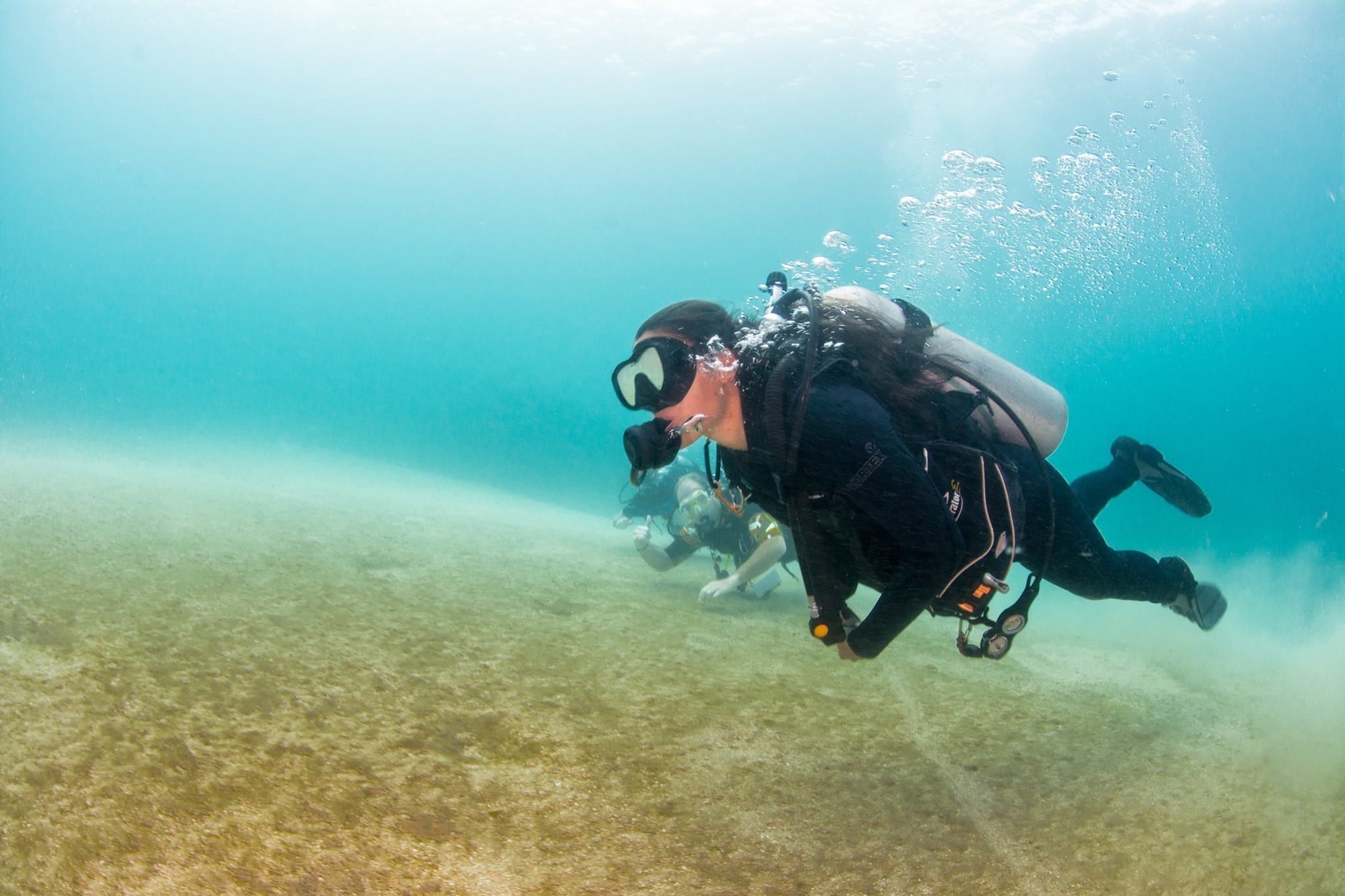
  • Short snorkeling session in sheltered reef near the launch point
Active day trip

Intermediate

Small-group rigid-hull or kayak-assisted tours that require light mobility, basic snorkeling skills, and a willingness to be in open water for several hours.

  • Small-boat eco-tour with guided snorkeling stops
  • Sea-kayak outing to bays frequented by dolphins (calm-sea conditions)
  • Half-day charter combining dolphin watching and reef snorkeling
Longer or technical

Advanced

Multi-hour expeditions that go farther offshore, research-partner voyages, or technical snorkeling/free-diving trips requiring experience, comfort in variable sea states, and a higher fitness level.

  • Open-ocean research charters with marine biologists
  • Long-range pelagic excursions in search of feeding aggregations
  • Advanced free-diving or breath-hold sessions paired with trained guides

Prepare for sun, spray, and swell

What to Bring

Essential

Core kit

  • Light windbreaker or waterproof shell for early-morning spray
  • Sun protection (reef-safe sunscreen, hat, sunglasses)
  • Reusable water bottle and light snacks
  • Motion-sickness relief if you’re prone to seasickness
  • Waterproof phone case or small dry bag
Recommended

Useful extras

  • Mask, snorkel, and fins if you plan to snorkel (some charters provide gear)
  • Binoculars for distant pod behavior and birdlife
  • Light reef shoes for rocky shore entries
  • Small camera with a zoom lens for wildlife shots
Optional

Trip-specific

  • Hydrophone or audio recorder (some tours demonstrate underwater sounds)
  • Field guide or app for marine species identification
  • Notebook for jotting observations and guide notes
Prioritize operators who follow NOAA and state guidelines for marine mammal interactions—education-first tours often result in better, more respectful encounters.

Insider Tips & Local Knowledge

Reserve whale-watching and popular sunset cruises well ahead during December–April.
Choose morning snorkeling departures for calmer seas and better underwater visibility.
For motion sensitivity, choose a larger vessel, sit mid-ship, and take preventative medication before boarding.
Do not touch coral or wildlife, avoid standing on reefs, and use reef-safe sunscreen.
Community-based operators may add context about traditional navigation and stewardship.
Arrive early for parking and check-in because Waikiki departure areas can be busy.

Planning questions

Frequently Asked Questions

Wild dolphins are protected—approaching, chasing, or swimming deliberately with them is discouraged and regulated. Some licensed eco-operators offer guided snorkeling trips that emphasize non-intrusive observation; dolphins may approach on their terms but interactions are not guaranteed or commanded.
Best Dolphin Experiences in Līhuʻe, Hawaii
Ready for your dolphin adventure?

Browse 8 verified trips in Līhuʻe.

Compare current availability and book with instant confirmation.

Explore Līhuʻe dolphin