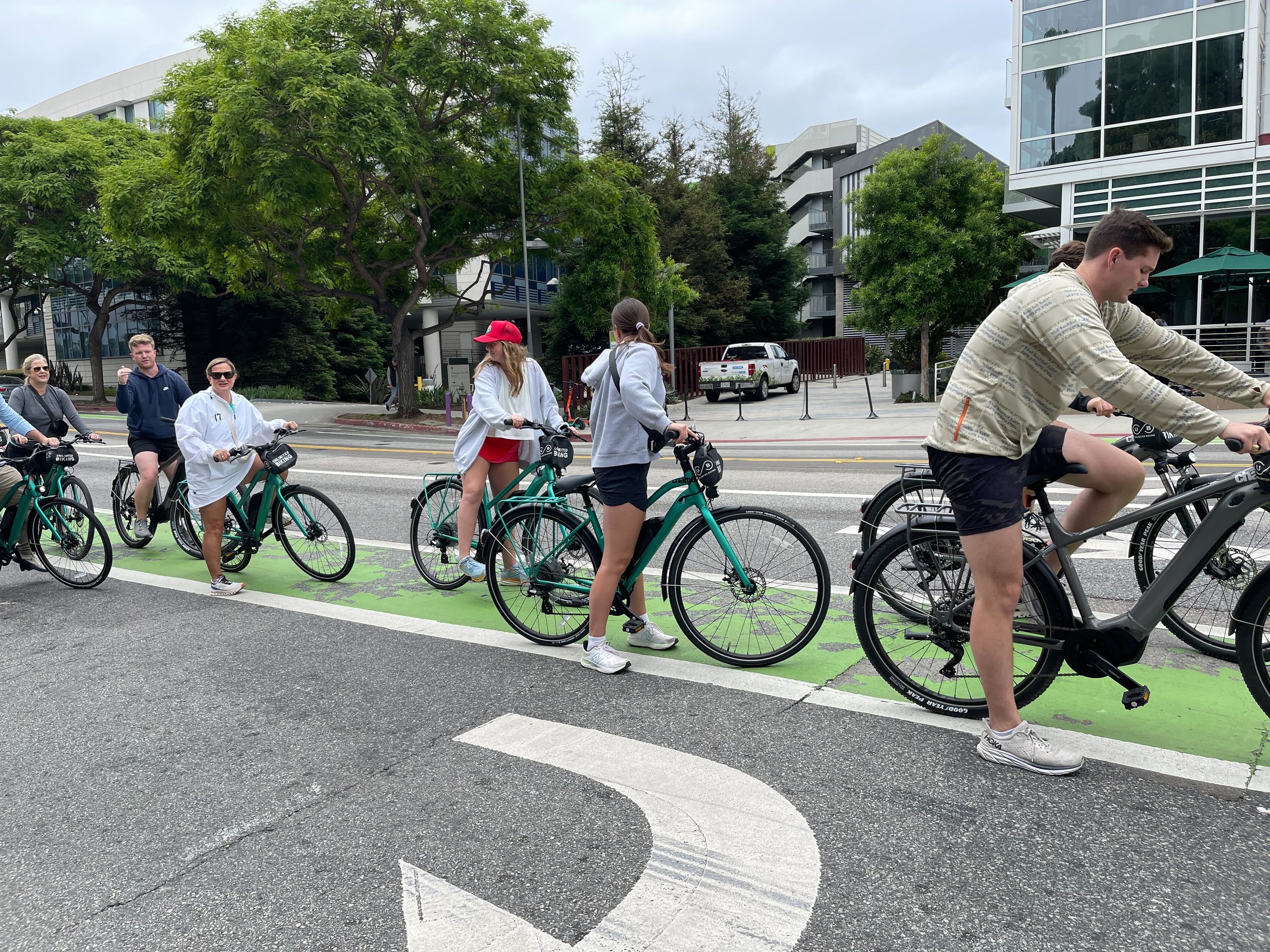
Why Los Angeles (Fringe Towns) Is a Standout E-Bike Destination
Drive an hour out of downtown Los Angeles and the pace shifts—the skyline softens, the freeways dilute into two-lane roads, and the margins of the metropolis widen into ridgelines, bluffs and citrus-scented neighborhoods. For e-bikers, the fringe towns are a sweet spot: close enough to the city for a morning start, remote enough to feel like a proper escape by lunchtime. E-bikes change the calculus of these places. They let you climb the long south-facing ramps of the Santa Monica Mountains without sacrificing afternoons for the ascent, thread coastal roads from Malibu to Point Dume while keeping a breeze in your face, and stitch together canyon roads and singletrack connectors that would otherwise require a car shuttle or a very patient group willing to push bikes up rocky pitches.
The riding here is inherently varied. On any given day you might start on a protected bike path beside the Pacific, ride up a service road through chaparral that smells of sage and sunbaked oak, then drop into a shaded riparian canyon for a cooldown. The fringe towns—Topanga, Pacific Palisades, Calabasas, La Cañada, Altadena—are also places where small-town services meet outdoor culture: coffee shops with bike racks, rental shops that double as local route libraries, and weekend farmers’ markets that make for perfect ride endpoints. Because many routes traverse a patchwork of municipal roads, county lanes, and national-park adjacent trails, e-bike riders benefit from a bit of route planning and local knowledge. Some singletrack and wilderness areas restrict motorized vehicles; many fire roads and county connectors do not—but etiquette and local rules matter. Fold in public-transport options where allowed, and you have flexible shuttle choices to extend range further.
Seasonality shapes the experience more than elevation does. Spring and fall offer the most comfortable temperatures and the most forgiving trail conditions: wildflowers flare in the canyons after winter rains, and ocean fog keeps coastal routes pleasantly cool. Summer is prime for ocean-side dawn rides and evening cruises, but inland canyons bake in mid-day heat; plan climbs early or late and watch for Santa Ana wind events that can blast ridgelines with intense gusts. Winter brings rare but intense storms that can wash out connectors and create muddy patches on easy fire roads. For culture and micro-adventures, timing matters: weekdays bring quieter roads and empty parking at trailheads, while weekends—especially between March and November—fill with local riders and families.
Ultimately, the fringe-towns circuit rewards riders who think like explorers: embrace mixed-surface routes, plan for battery management, and leave time to wander. An e-bike here isn’t just a commuter appliance; it’s a passport to a layered landscape where surf towns, chaparral ridgelines, and suburban main streets collide. Ride with respect for local restrictions, and you’ll find that the best laps are the ones stitched together from small roads and wide-open ideas.
E-bikes democratize access to longer loops and steeper ridgelines without sacrificing the feel of a purposeful ride—sudden overlooks and quiet backroads become reachable within a single afternoon.
Local regulation and trail etiquette vary—respect posted signs, carry a map or GPS route, and be prepared to dismount where motorized assistance is restricted.
Choose by purpose
Whale watching, snorkeling, sunset sailing, cultural canoeing, harbor sightseeing, or private chartering.
Start near the city
Waikiki and Honolulu Harbor are primary hubs, with some trips launching near Hanauma Bay.
Confirm the vessel
Gangways, shaded seating, and boarding requirements vary according to vessel size and operator.