Top Eco Tours in Lynn Haven, Florida
Lynn Haven Eco Tour Guide

Top Eco Tours in Lynn Haven, Florida

Lynn Haven's eco tours are an invitation to slow down and listen to a working coastline. Between tidal creeks, salt marsh meadows, and shallow bay waters, guided walks and paddle trips reveal a coastal web of birds, shellfish, seagrass, and salt-tolerant hammocks. These experiences favor close observation over adrenaline—kayak the bay at dawn, join a botany-led marsh walk, or take a guided boat trip to learn about fisheries, restoration, and the seasonal rhythms that shape the Florida Panhandle.

St. Andrews BayBay County Coastal HabitatsGulf Coast Estuaries

Live destination inventory

Top Eco Tour Trips in Lynn Haven

6 trips · Book with confidence · Instant confirmation

The prototype intentionally does not invent replacement trip cards or add images that are not already part of the live source page.

The city from the water

Why Lynn Haven Is an Exceptional Place for Eco Tours

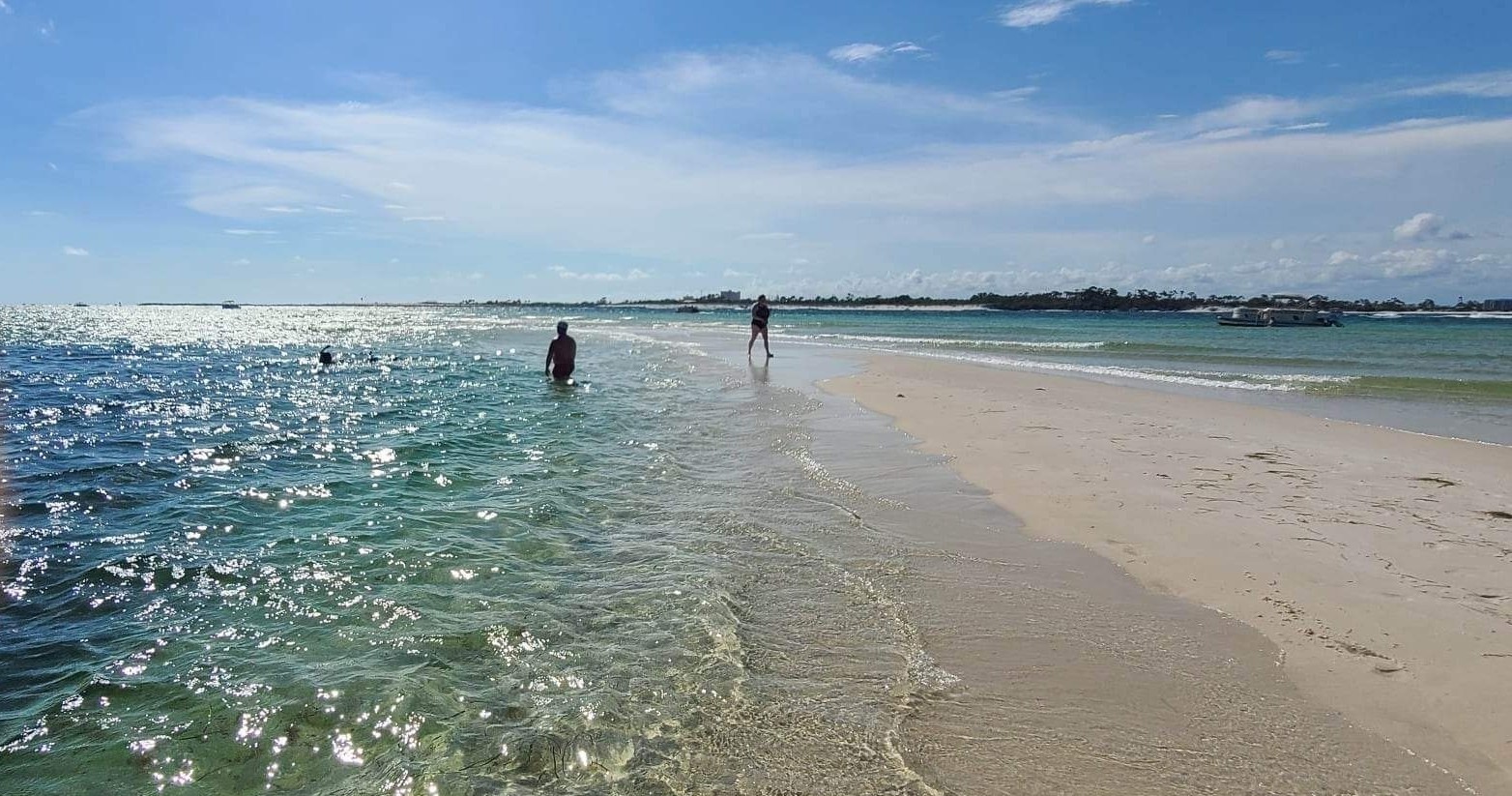
Lynn Haven sits at a confluence of coastal life: shallow bay waters laced with seagrass beds, ribbon-like tidal creeks that thread through salt marshes, and narrow shorelines that act as migration corridors for birds. An eco tour here isn’t about summiting a peak or checking off a difficult route—it's about getting small and specific, about looking for patterns in the mud and timing your visit to match tide and migration. The magic of a Lynn Haven eco tour is comparative intimacy: you might watch a stealthy green heron probe a mangrove root for crabs one minute, and see bottlenose dolphins cut the bay at a distance the next. Guides translate that quiet biodiversity into narratives of water quality, fisheries, and coastal resilience. That intimacy is practical as well as poetic. The terrain is predominantly flat and tidal, which means accessibility is often high—boardwalks, short interpretive trails, and calm-water kayak routes make it possible for a wide range of travelers to participate. Yet the experience still requires local knowledge: tides change access to sandbars and creek mouths, wind determines whether a paddle is effortless or taxing, and season drives which species are present. Spring and fall migrations swell birdlife; late summer brings warm-water productivity, shrimp, and active shorebirds; hurricane season can alter shoreline contours and close sensitive sites for restoration. Local providers tune itineraries to those rhythms, pairing a hands-on oyster restoration activity or seagrass monitoring demo with narrative context about how the bay has changed over decades. Eco tours in Lynn Haven blend natural history with human stories. The bay and marshes are working ecosystems—supporting commercial and recreational fisheries, nursery habitat for seafood species, and coastal defenses that buffer inland neighborhoods from storm surge. Tours often include explanations of local conservation priorities: water-quality monitoring, living shoreline projects, and community-driven stewardship. That civic layer gives visitors a chance to see how a day on the water dovetails with long-term ecological recovery and how simple practices—boating responsibly, choosing reef-safe sunscreen, supporting local restoration—have outsized impacts. For travelers planning an eco tour, the payoff is sensory and slow: low-angle light that makes seagrass shimmer, salt scent on a morning breeze, and the soft percussion of wading birds. It’s an exercise in observation and restraint—staying quiet, following the tide chart, and letting the landscape reveal itself. Whether you come for a sunrise kayak, a guided birding outing, or a hands-on conservation session, Lynn Haven’s eco tours offer a bridge between leisure and stewardship, and a clear window into the coastal processes that shape the northern Gulf of Mexico.

Eco tours emphasize the living systems of St. Andrews Bay and adjacent marshes: seagrass meadows, oyster bars, tidal creeks, and coastal uplands all interplay to support fish, shorebirds, and invertebrates. Small-group formats keep disturbance low and learning high.

Related activities that pair well with eco tours include guided birding walks, stand-up paddleboarding through mangrove fringes, shallow-water snorkeling over seagrass beds in calm conditions, and community restoration events such as oyster garden installs or beach cleanups.

The harbor is the gateway, and the Pacific becomes the classroom.

Because the coast is dynamic, expect guides to adjust routes for tides, weather, and wildlife patterns; a morning paddle at high tide yields different sightings than a late-afternoon marsh walk at low tide.

Activity focus

Choose by purpose

Whale watching, snorkeling, sunset sailing, cultural canoeing, harbor sightseeing, or private chartering.

Departure hubs

Start near the city

Waikiki and Honolulu Harbor are primary hubs, with some trips launching near Hanauma Bay.

Accessibility

Confirm the vessel

Gangways, shaded seating, and boarding requirements vary according to vessel size and operator.
Seasonal planning

Best Time to Visit

Lynn Haven is warm year-round, but wind, swell, migration, visibility, and demand change the best match between traveler and trip.

Lynn Haven boat tour
Year-round destination

Seasonal highlights change the reason to go

Winter favors humpback encounters; warmer, calmer months favor snorkeling visibility and smoother water.

Humpback season

Spring migration (March–May) draws birders and nature groups; summer tourism increases overall beach traffic but not necessarily guided eco-tour availability.

Prime whale watching, winter holidays, higher demand, and earlier sell-outs.

Snorkeling window

March–April–May–September–October

Typically gentler seas and clearer water for snorkeling trips.

Weather notes

Trade winds year-round

Spring and fall offer moderate temperatures and active bird migration, with lower humidity than summer. Summer is hot, humid, and often stormy in afternoons; hurricane season runs June–November and can temporarily affect tour availability and shoreline conditions.

Quieter opportunities

Late spring & summer weekdays

Late summer weekdays may offer quieter water access for private paddles; winter can deliver mild, clear days for birding and photography, though some species migrate south.

Match the trip to your comfort

Choose Your Experience Level

Low effort

Beginner

Short, interpretive experiences that focus on observation and gentle movement—boardwalk marsh walks, short tandem kayak tours in protected water, and guided birding strolls.

  • Sunrise bay kayak (calm water, under 2 hours)
  • Salt marsh boardwalk and interpretive walk
  • Family-friendly birding loop
Active day trip

Intermediate

Longer paddles or mixed-format tours that require basic paddling skill and comfort with tidal timing; may cover small islands, estuary mouths, or extended shoreline transects.

  • Half-day paddle to nearby sandbars and back
  • Kayak plus shoreline foraging and ecology demo
  • Guided boat tour with shallow-water stops
Longer or technical

Advanced

Extended multi-hour paddles or citizen-science outings that demand navigation, wind-readiness, and endurance; may include data-collection roles or small-group restoration projects.

  • All-day estuary circumnavigation with tide planning
  • Volunteer oyster reef deployment and monitoring
  • Photography-focused dawn-to-noon paddle

Prepare for sun, spray, and swell

What to Bring

Essential

Core kit

  • Waterproof daypack or dry bag
  • Sun protection (hat, sunglasses, reef-safe sunscreen)
  • Reusable water bottle and snacks
  • Lightweight, quick-dry clothing and a change of clothes
  • Close-toed water shoes or sandals with straps
Recommended

Useful extras

  • Binoculars for birding
  • Small waterproof camera or phone in a dry case
  • Insect repellent for marsh-edge walks
  • Light windbreaker for cooler mornings
  • Personal flotation device if paddling (often provided by outfitters)
Optional

Trip-specific

  • Field guide or species list from your guide
  • Notebook for naturalist observations
  • Collapsible stool for longer shoreline programs
  • Gloves if participating in restoration or oyster work
Confirm tides and weather before booking; small craft conditions change quickly on the bay.

Insider Tips & Local Knowledge

Reserve whale-watching and popular sunset cruises well ahead during December–April.
Choose morning snorkeling departures for calmer seas and better underwater visibility.
For motion sensitivity, choose a larger vessel, sit mid-ship, and take preventative medication before boarding.
Do not touch coral or wildlife, avoid standing on reefs, and use reef-safe sunscreen.
Community-based operators may add context about traditional navigation and stewardship.
Arrive early for parking and check-in because Waikiki departure areas can be busy.

Planning questions

Frequently Asked Questions

Most operators offer beginner-friendly routes in shallow, protected bay waters; they provide instruction and short practice before heading out. Be honest about your comfort level when booking.
Top Eco Tours in Lynn Haven, Florida
Ready for your eco tour adventure?

Browse 6 verified trips in Lynn Haven.

Compare current availability and book with instant confirmation.

Explore Lynn Haven eco tour